Building a Future of Shared Prosperity Through K-ODA
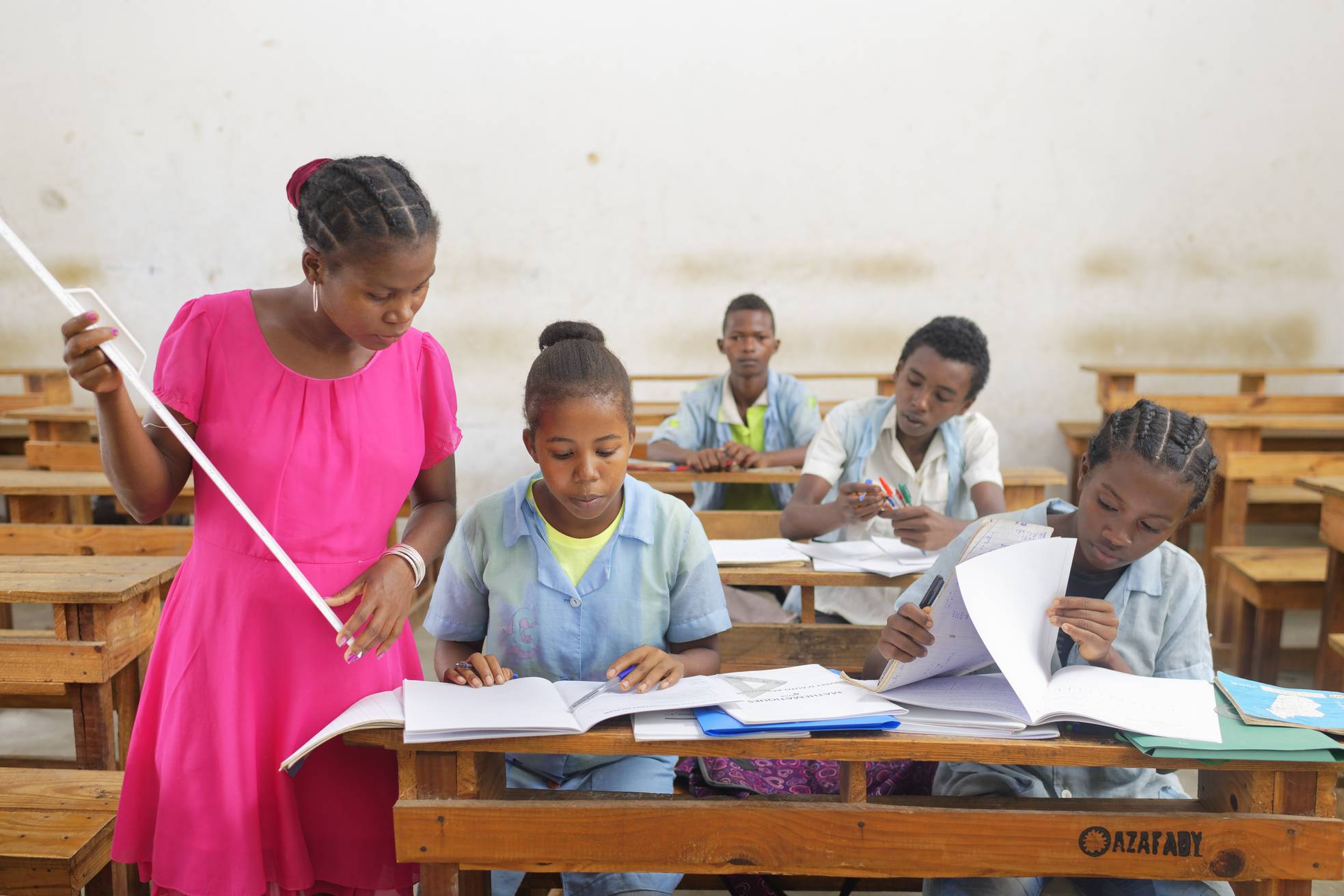
Interactive learning environments where students study directly with teachers using standard textbooks Madagascar / Korea International Cooperation Agency (KOICA) / UNICEF Program for Better Life of Girls through Education and Health (2017–2021)
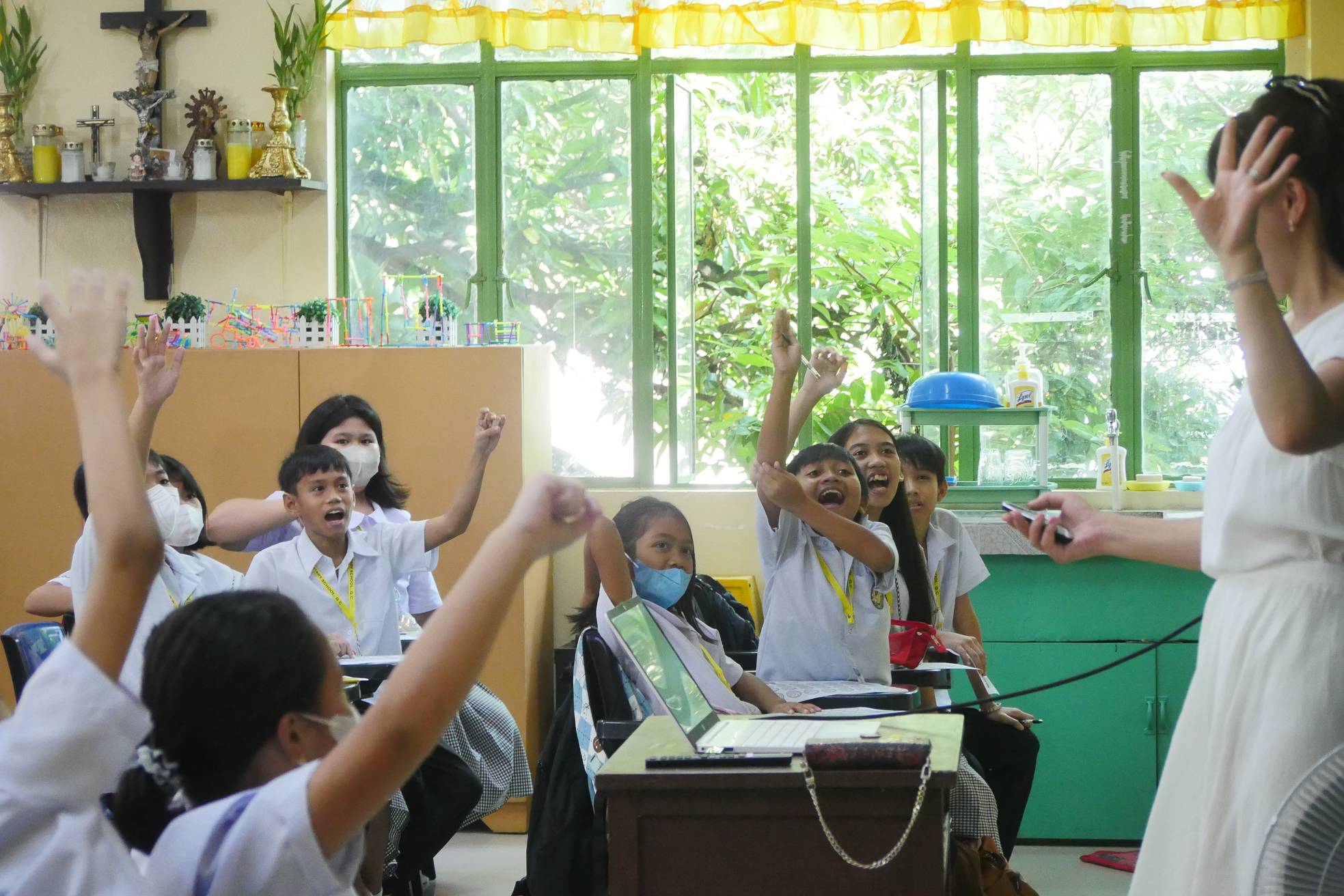
Filipino students raising their hands to engage with the teacher's question Philippines / Ministry of Education / Educational Exchange & Training Program with Partner Countries of Multicultural Families (2023–2027)
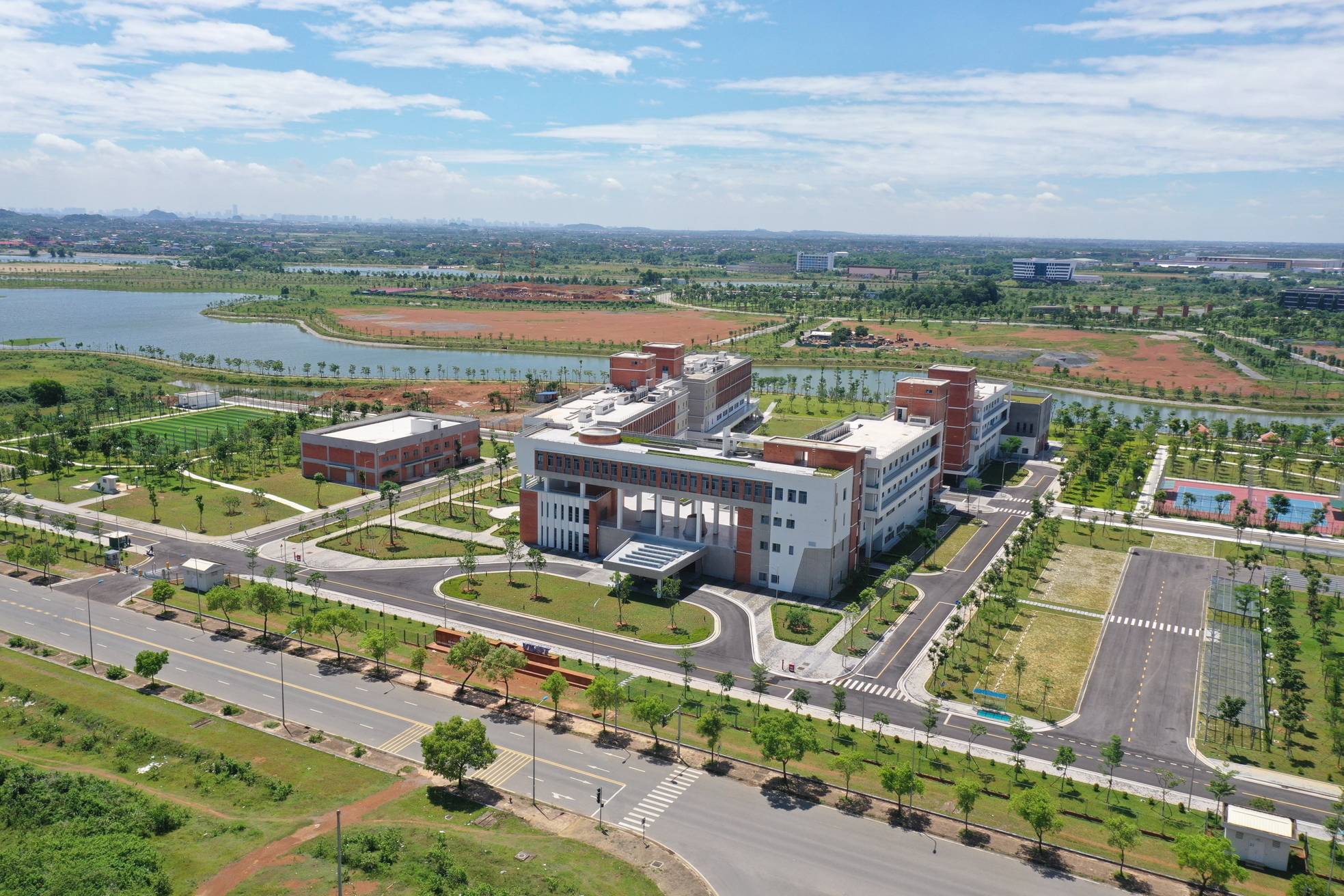
Korea-Vietnam Institute of Science and Technology (VKIST), established as a hub for scientific and technological research Vietnam / Korea International Cooperation Agency (KOICA) / Korea-Vietnam Institute of Science and Technology (V-KIST) Establishment Support Project (2014–2023)
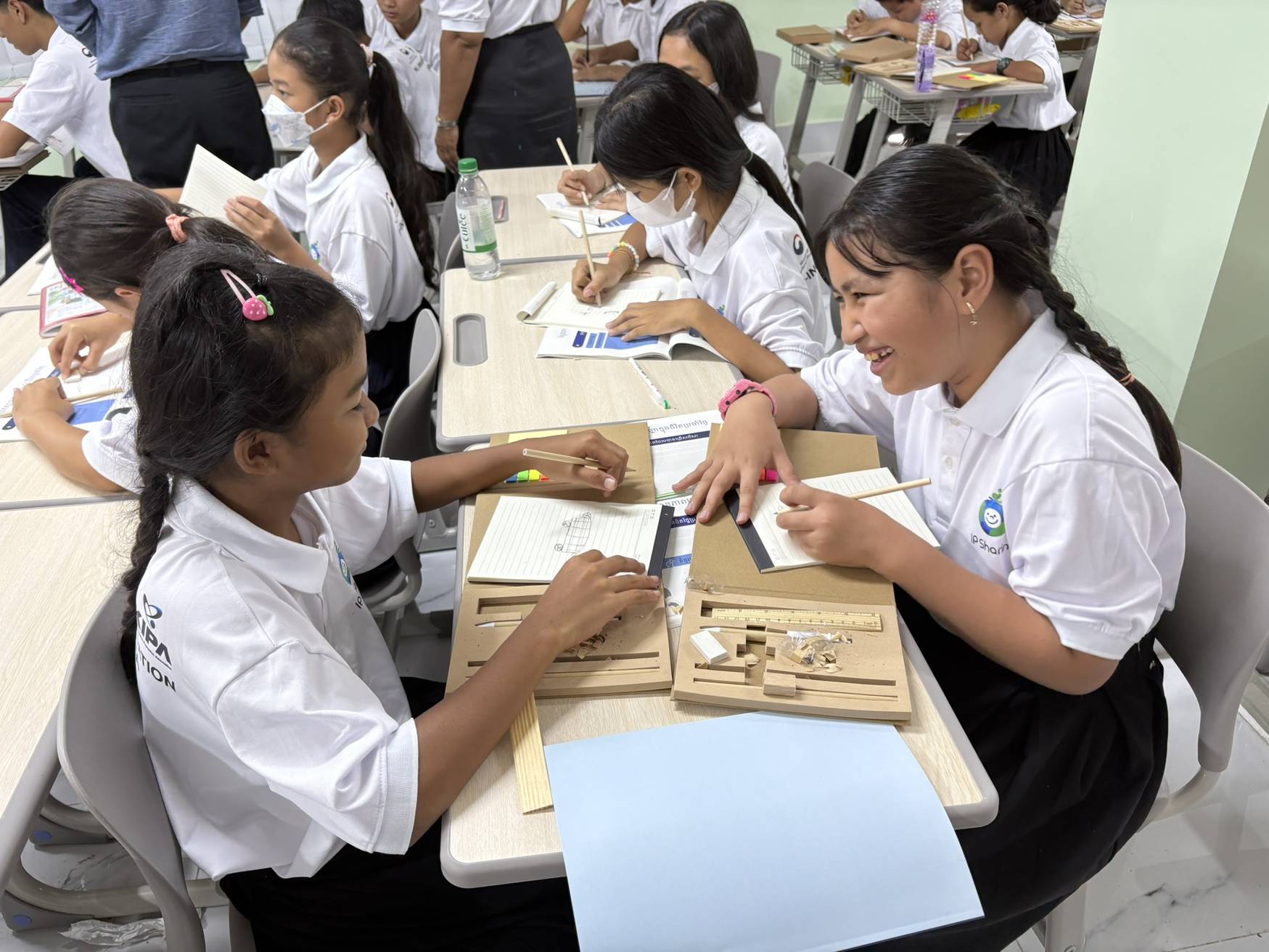
Students learning invention through hands-on practice with educational tools Cambodia / Korean Intellectual Property Office / Creative Invention Talent Fostering Project Applying Korean Invention Education Model (2025–2027)
The girl pictured had dropped out of school because her family could not afford the cost of her education, but was able to resume her studies through remedial classes. Korea provided teacher training, textbooks and school supplies, helping more than 3,000 young people return to school through the programme.
Korea also works to ensure that students can continue learning in the classroom. Korean teachers are dispatched to local schools to teach students and share their teaching experience with local educators.
In science and technology, Korea has contributed to establishing research institutes and providing research equipment, while conducting joint research on electric vehicle motors and diagnostic sensors for avian influenza. These initiatives have helped build local research and development capabilities. In invention education, Korea organises demonstration lessons using educational kits and runs training programmes for students and prospective teachers.
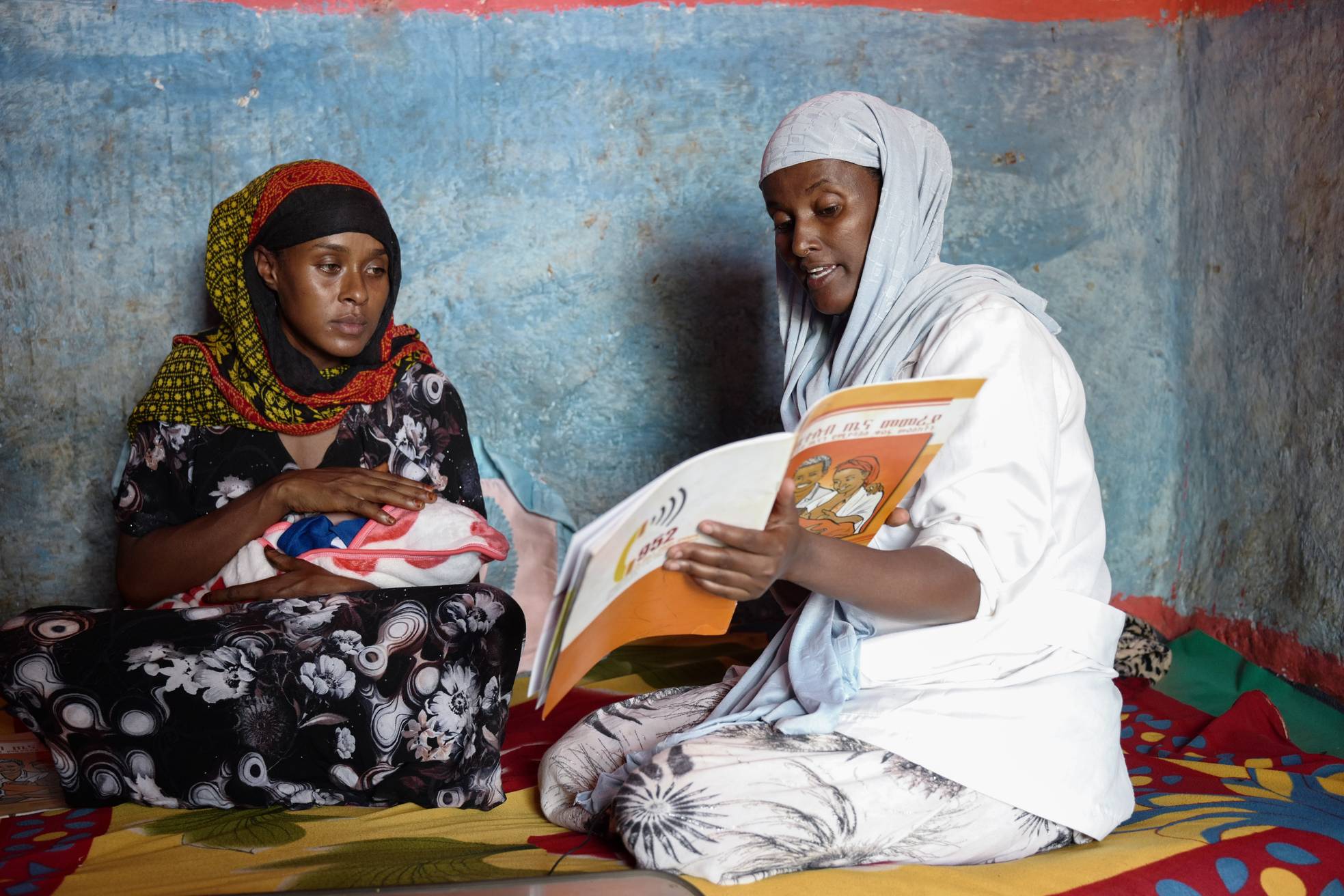
Explaining newborn care methods to a new mother Ethiopia / Korea International Cooperation Agency (KOICA) / Community-based Integrated Newborn and Child Health Strengthening Project (UNICEF) (2020–2025)
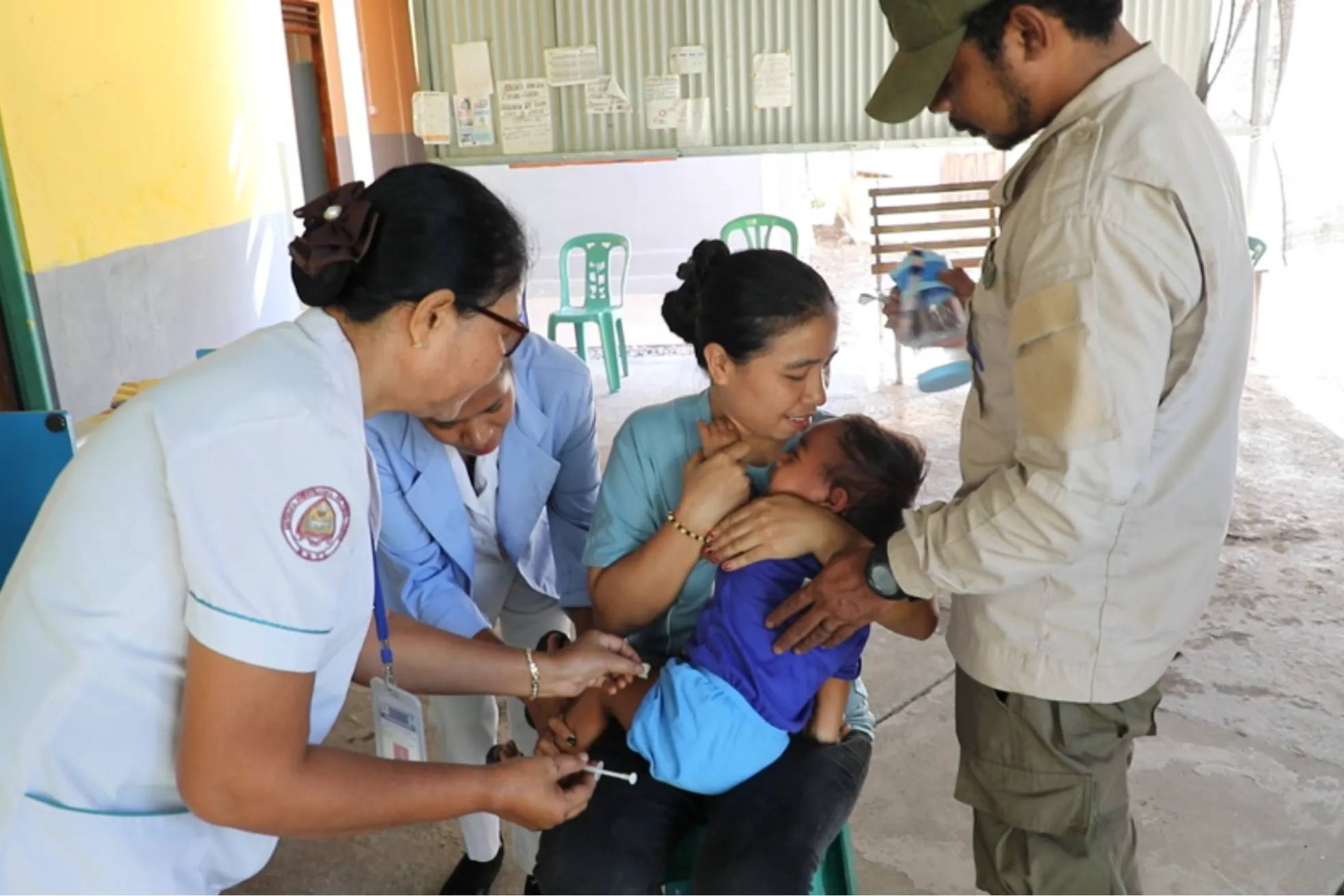
A nurse administering a vaccine to a child held by a guardian at a public health center Timor-Leste / Korea International Cooperation Agency (KOICA) / Climate-Resilient Social Services Support Project for Climate-Vulnerable Children (2024–2027)
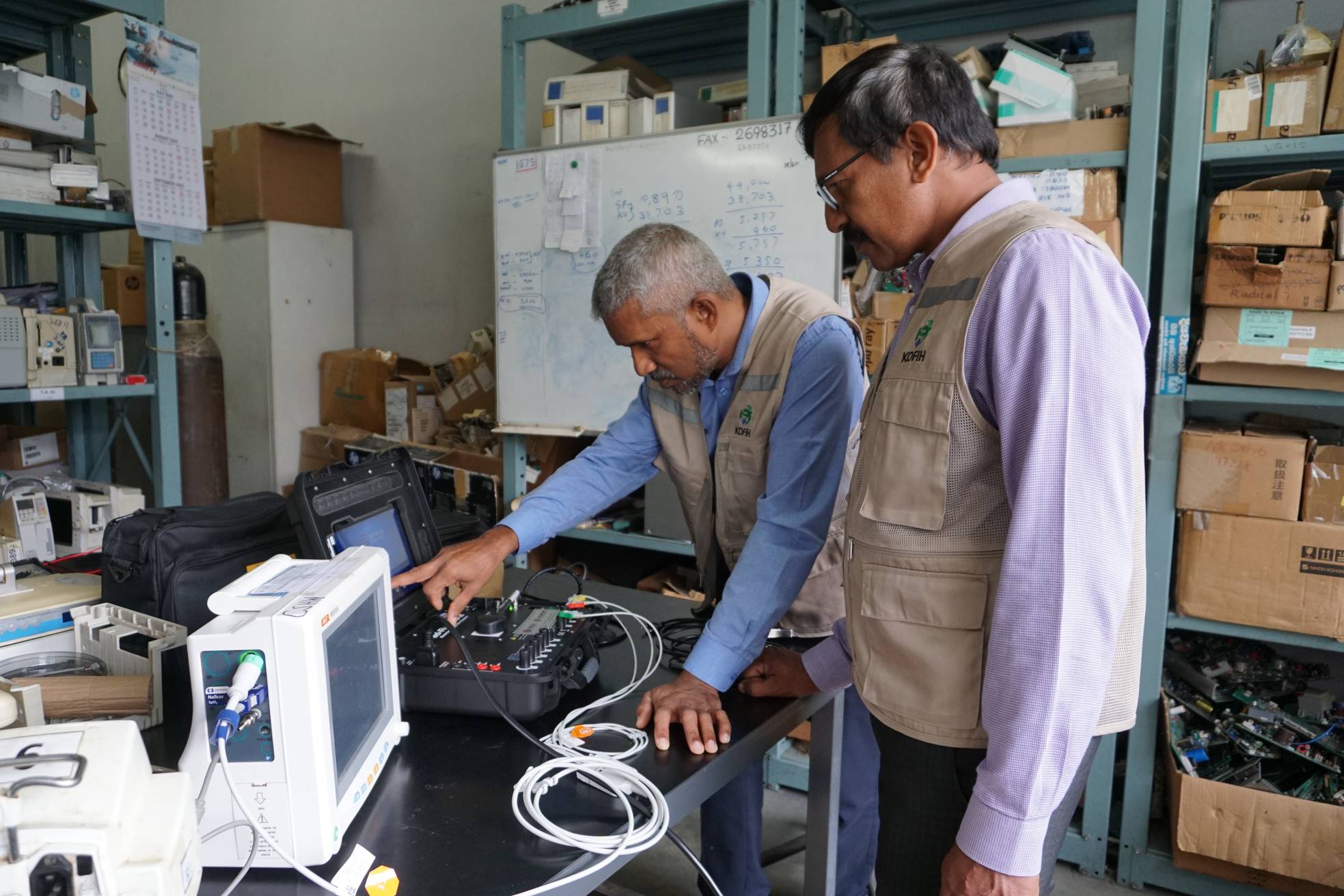
Local technicians and experts inspecting medical equipment operations together Sri Lanka / Ministry of Health and Welfare / Project for Strengthening Medical Equipment Management and Operational Systems (2019–2026)
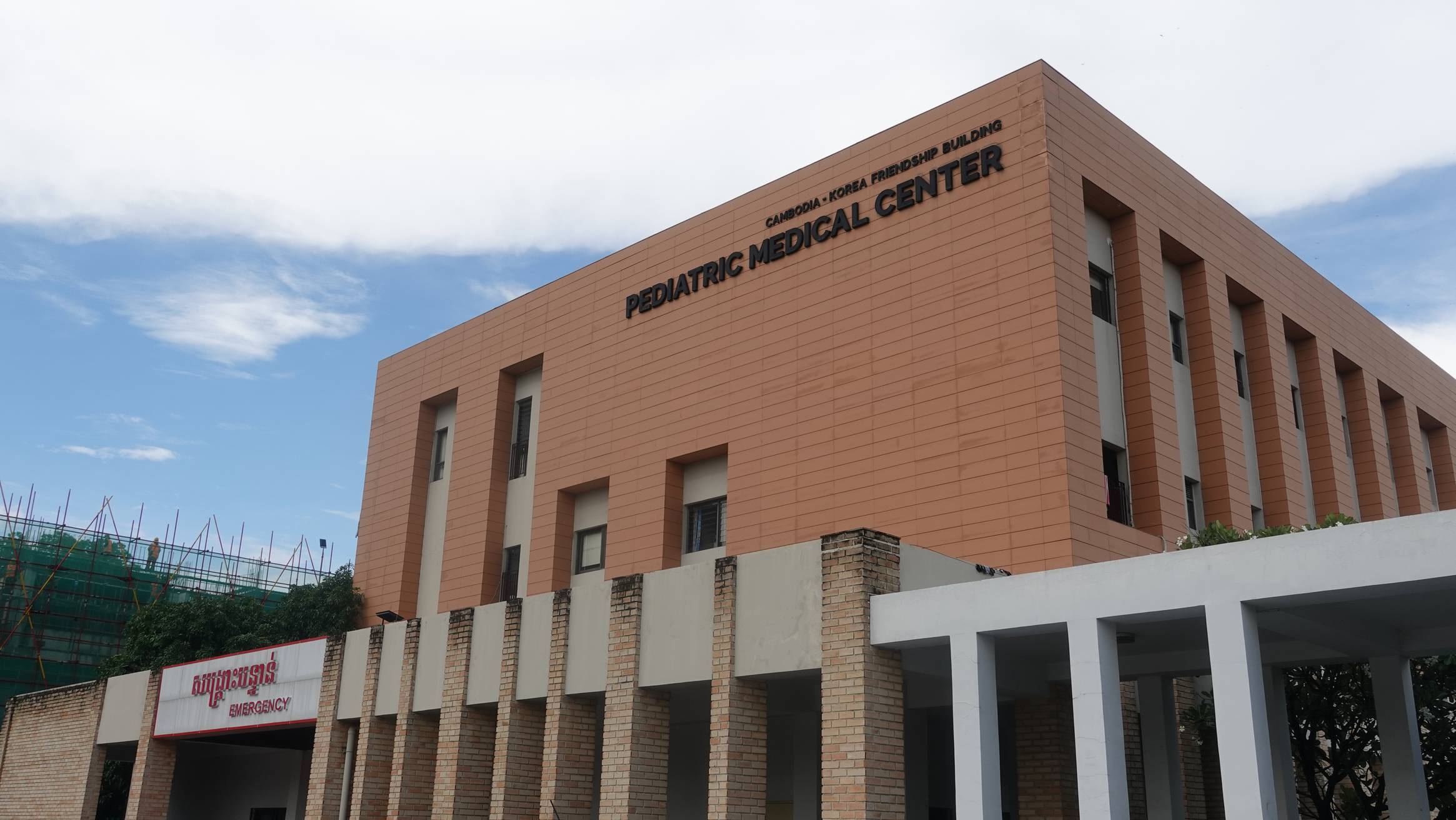
National Children's Hospital supporting hospital construction and medical staff training Cambodia / Korea International Cooperation Agency (KOICA) / Project for Construction of Medical Ward and Capacity Building of Healthcare Personnel at National Pediatric Hospital (2022–2028)
Korea provides training for local health workers and facilitates home visits so that mothers and newborns continue to receive care after returning home. Health centre staff visit families to check their health and advise them on how to respond if something is wrong with the baby. Korea also supports health centre operations so that children can receive the routine vaccinations they need as they grow. Korea also supports hospital facilities and staff so that this care can extend to diagnosis and treatment. It contributes to building a hospital for children and training healthcare professionals, while helping local technicians acquire the skills to inspect and repair medical equipment. By supporting the roles of community health workers, vaccination nurses, hospital staff and medical equipment technicians, Korea helps expand health services for mothers and children.
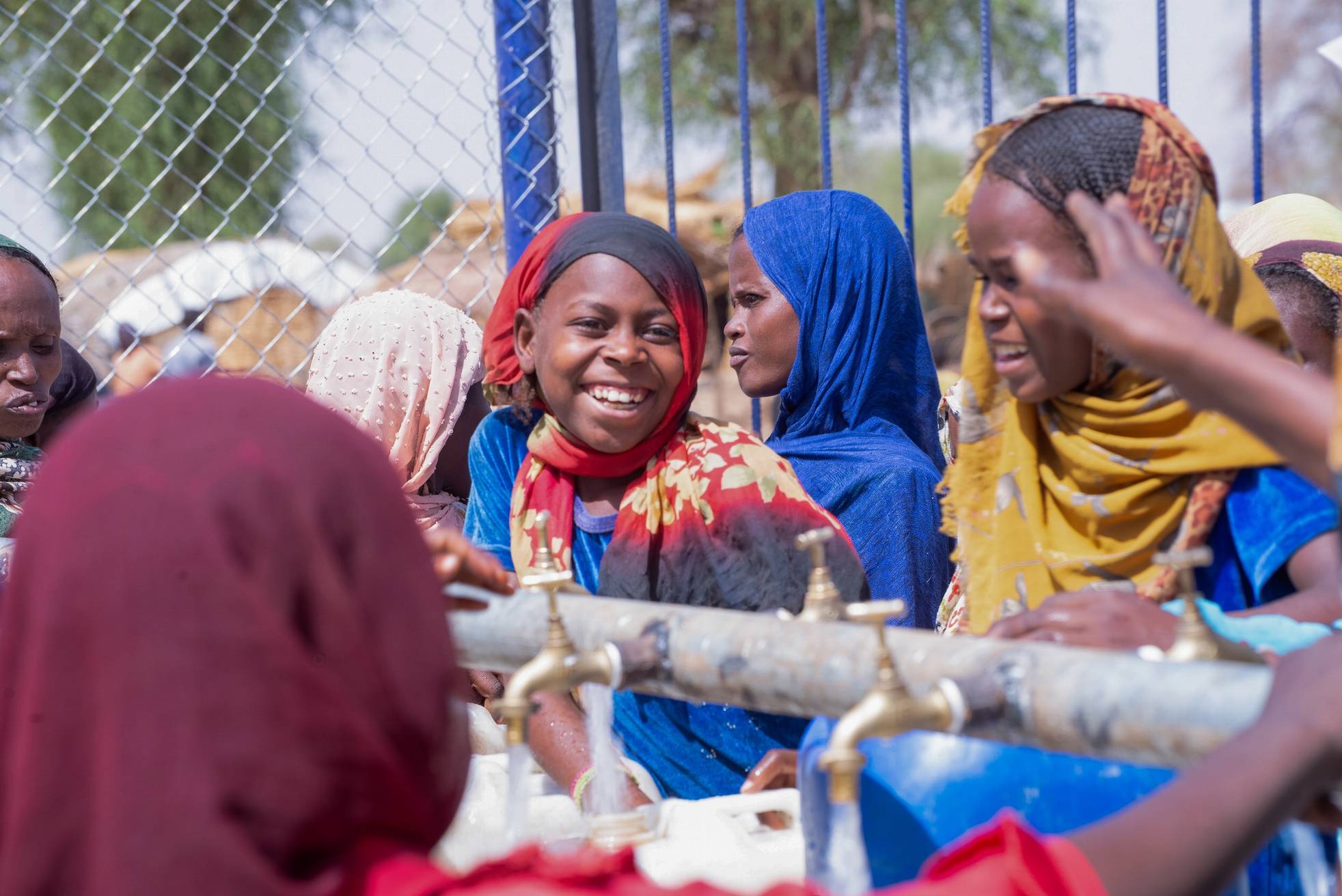
Local residents collecting water from the tap of a solar-powered water supply facility Sudan / Korea International Cooperation Agency (KOICA) / Community-Based Waterborne Disease Prevention Project (2019–2023)
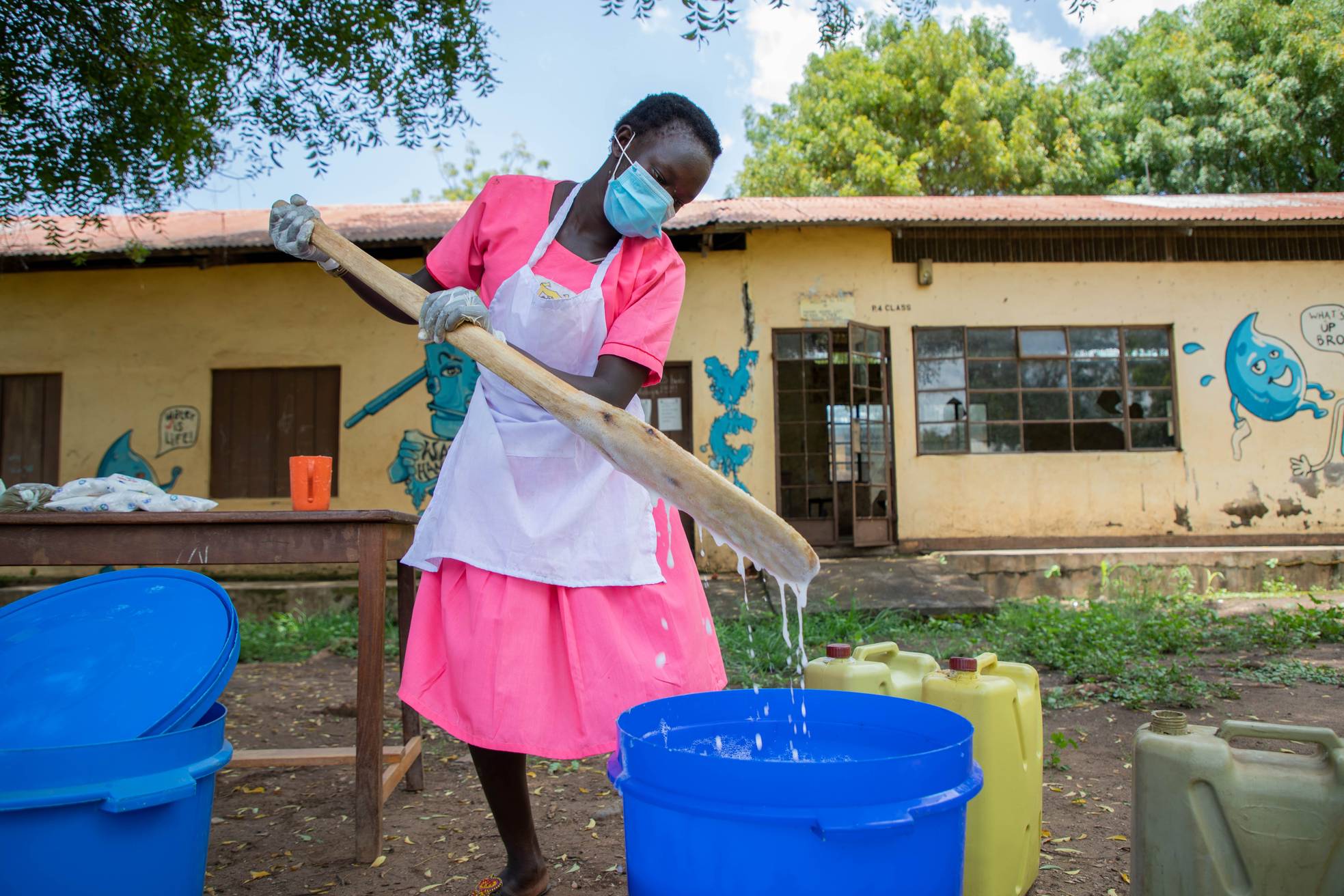
A student making liquid soap in a school hygiene club Uganda / Korea International Cooperation Agency (KOICA) / UNICEF Primary and Secondary School Water Supply Facility Provision and Hygiene Education Project (2018–2023)
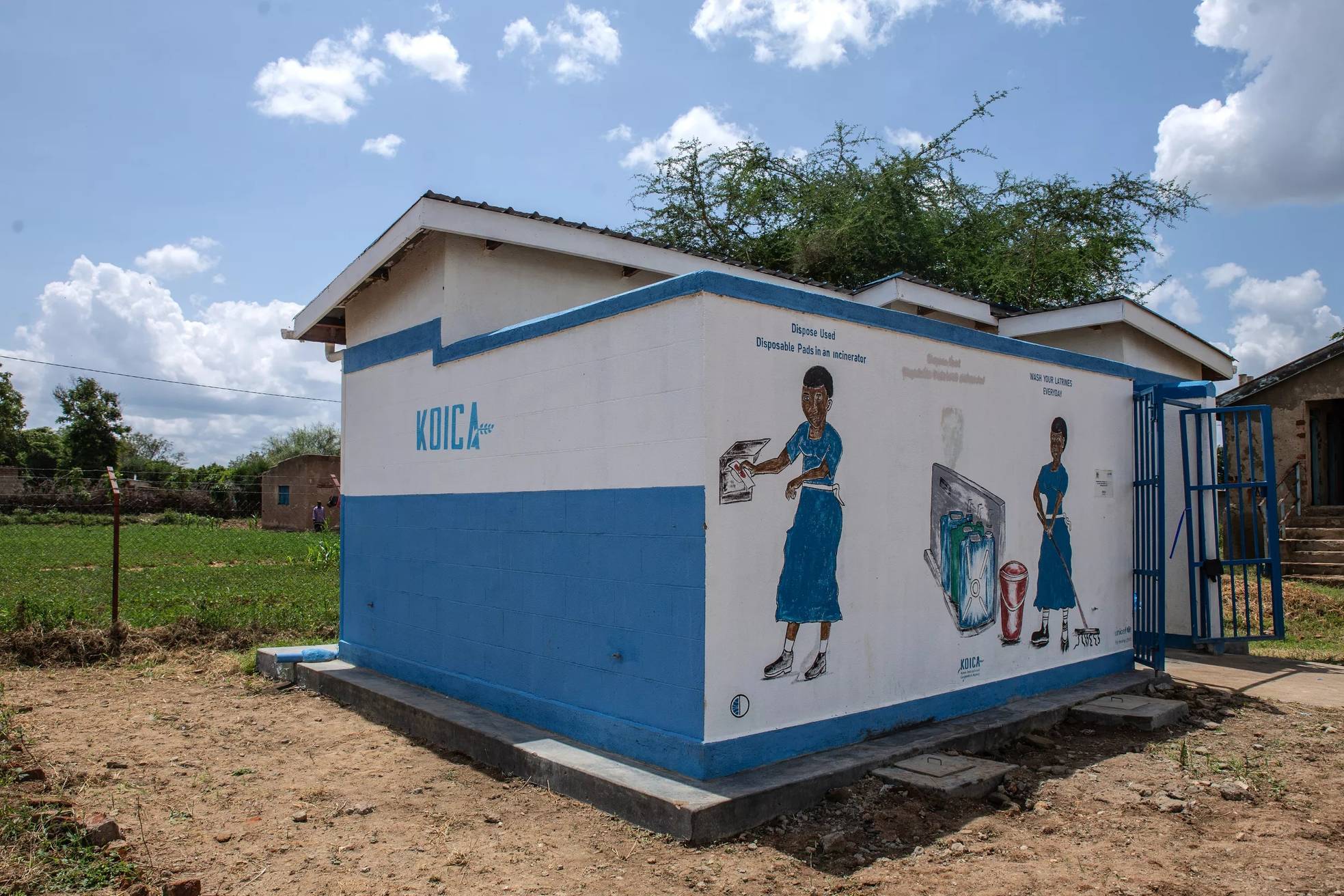
Gender-segregated sanitation facilities established at a school Uganda / Korea International Cooperation Agency (KOICA) / UNICEF Primary and Secondary School Water Supply Facility Provision and Hygiene Education Project (2018–2023)
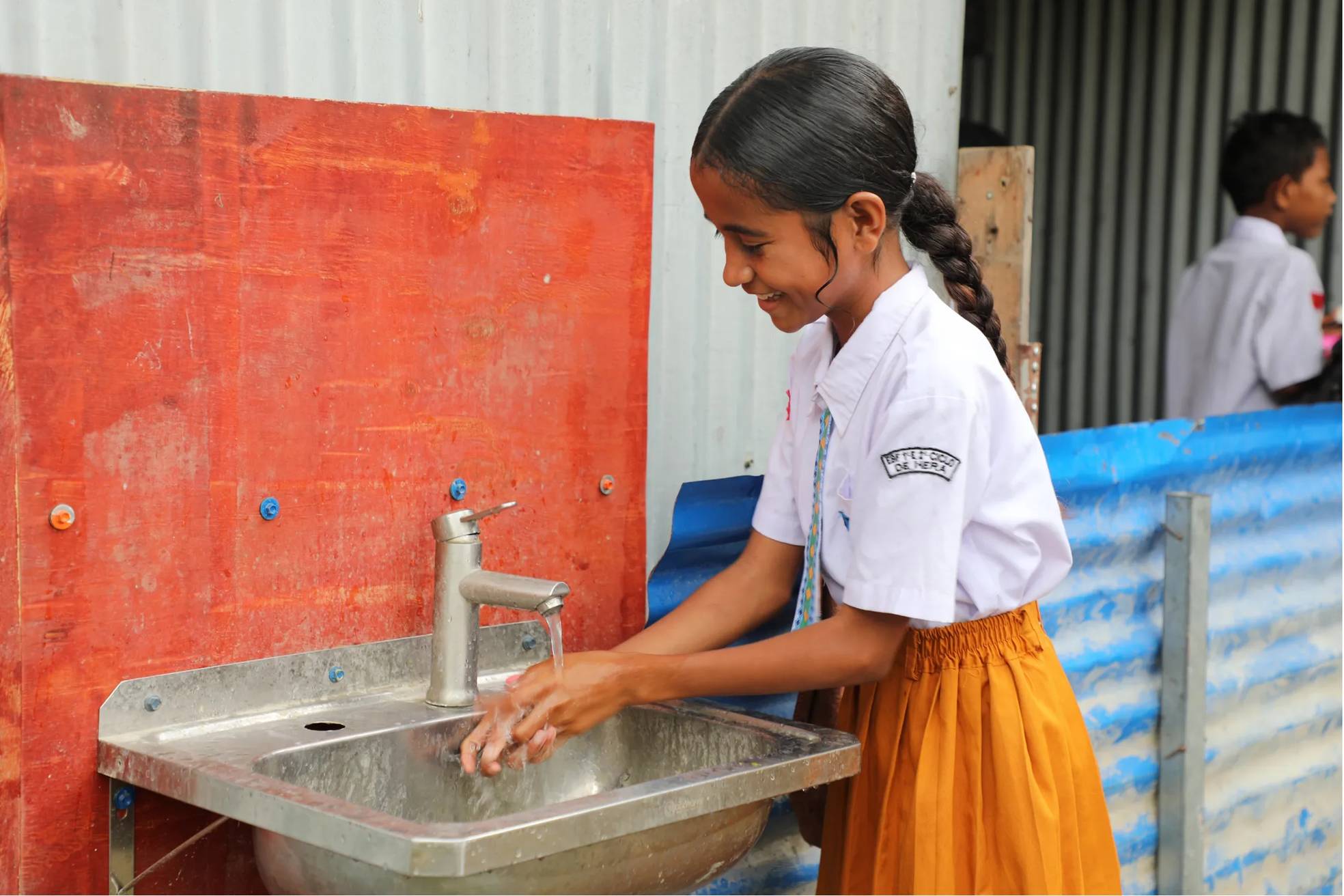
A student washing hands at a newly established school water supply facility Timor-Leste / Korea International Cooperation Agency (KOICA) / Climate-Resilient Social Services Support Project for Climate-Vulnerable Children (2024–2027)
Korea installed solar-powered water supply systems for communities where residents once had to climb down into deep wells to collect water. With water now available from taps, they no longer face the same risks and burdens of fetching it from wells. Schools were also equipped with water supply facilities and separate toilets for boys and girls, alongside hygiene education. Through this programme, more than 65,000 students gained access to improved drinking water and sanitation facilities.
Korea also encourages students to take an active role in putting good hygiene practices into everyday use. In school hygiene clubs, students make liquid soap as a practical way to learn about hygiene. Water supply facilities have also been upgraded at schools that previously had to collect and store water for several days to prepare meals, ensuring water is available for cooking and handwashing. By combining improvements to facilities with hygiene education, these projects are making everyday life safer and more hygienic, from collecting water to washing and preparing meals at school.
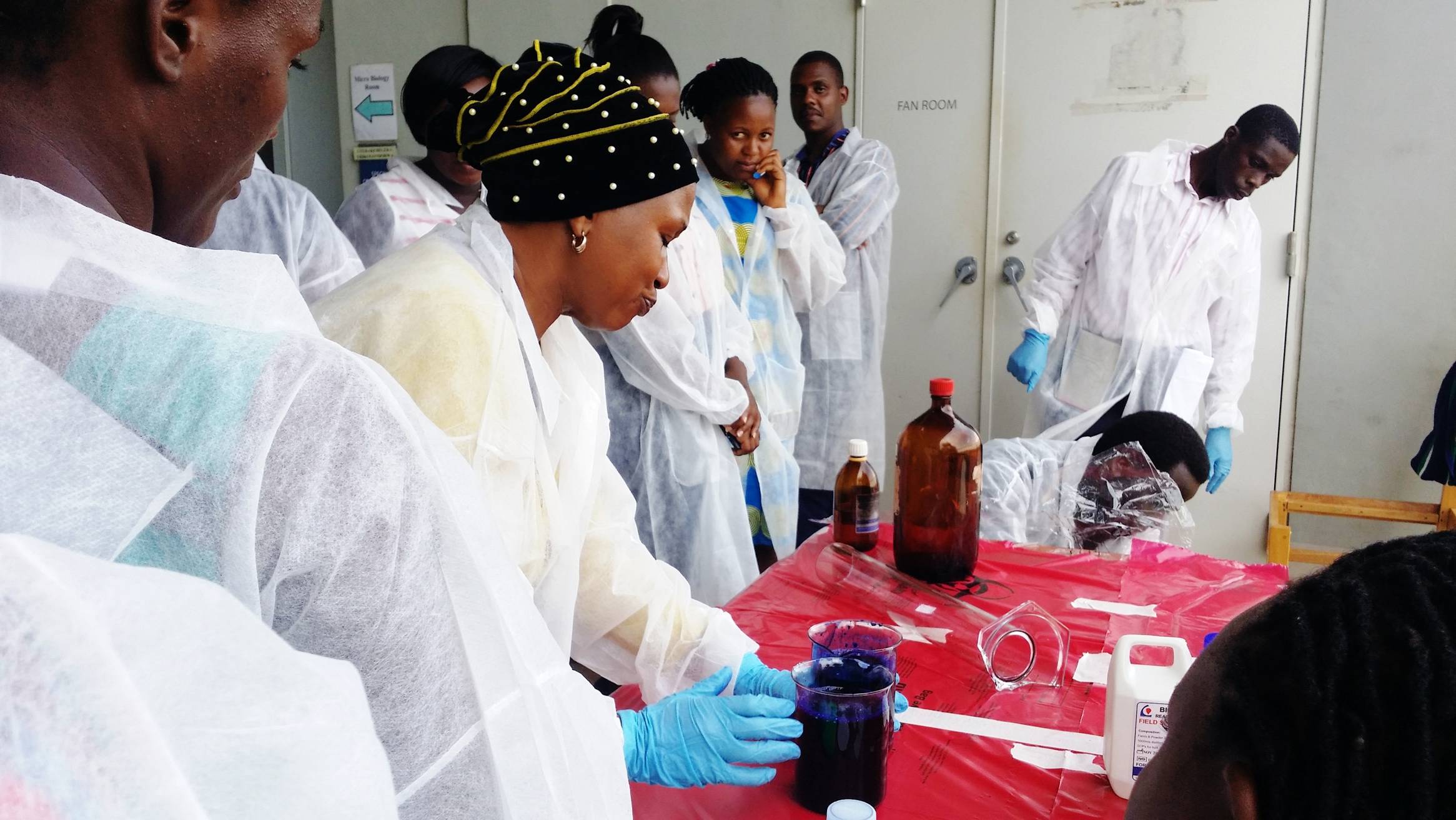
Local healthcare workers training in tuberculosis testing techniques Uganda / Ministry of Health / National Tuberculosis Control Capacity-Building Project (2017–2021)
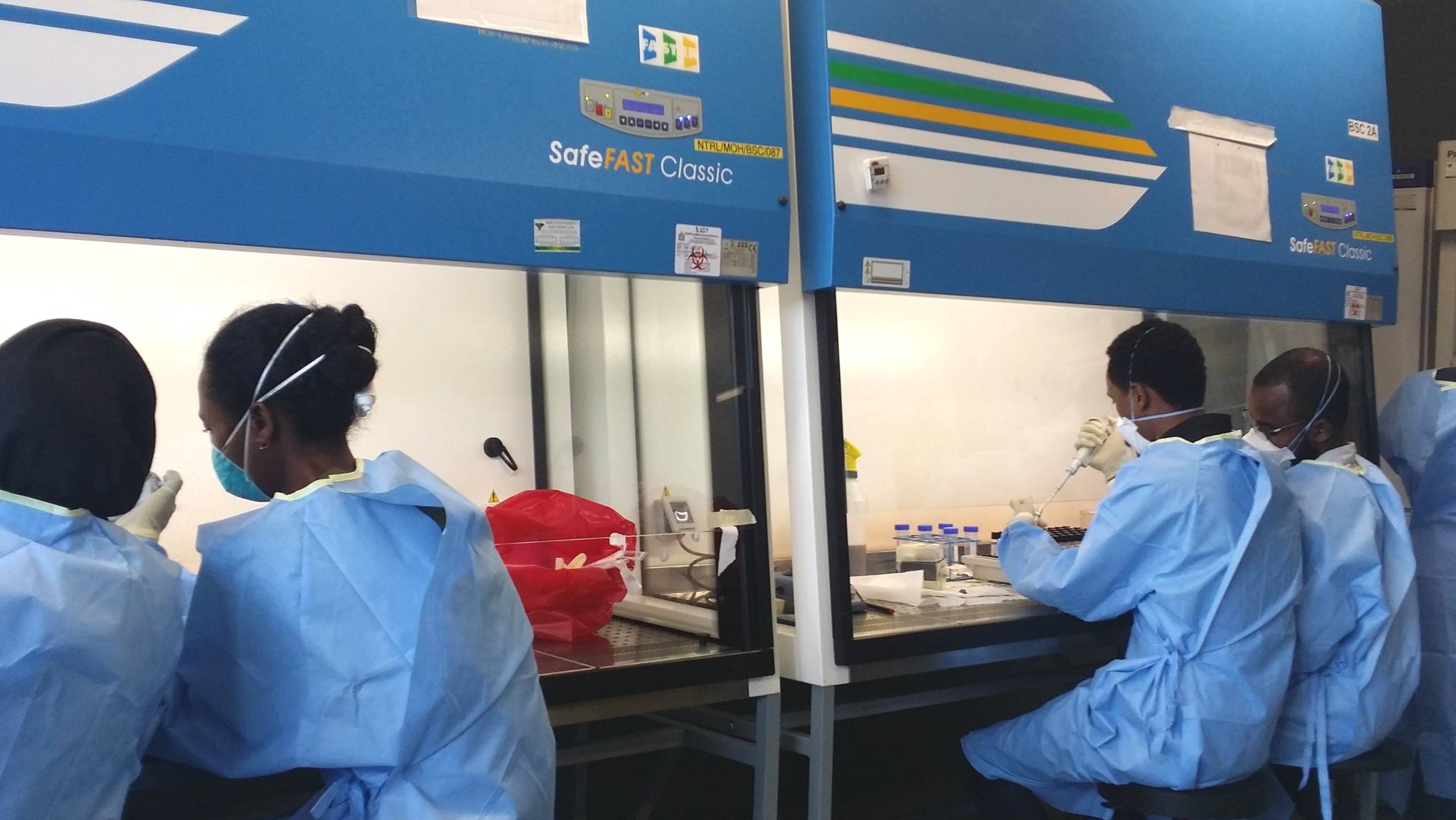
Personnel handling specimens in a biological safety cabinet Ethiopia / Ministry of Health / Project for Establishing a Tuberculosis Case Detection System and Strengthening Diagnostic Capacity (2021–2025)
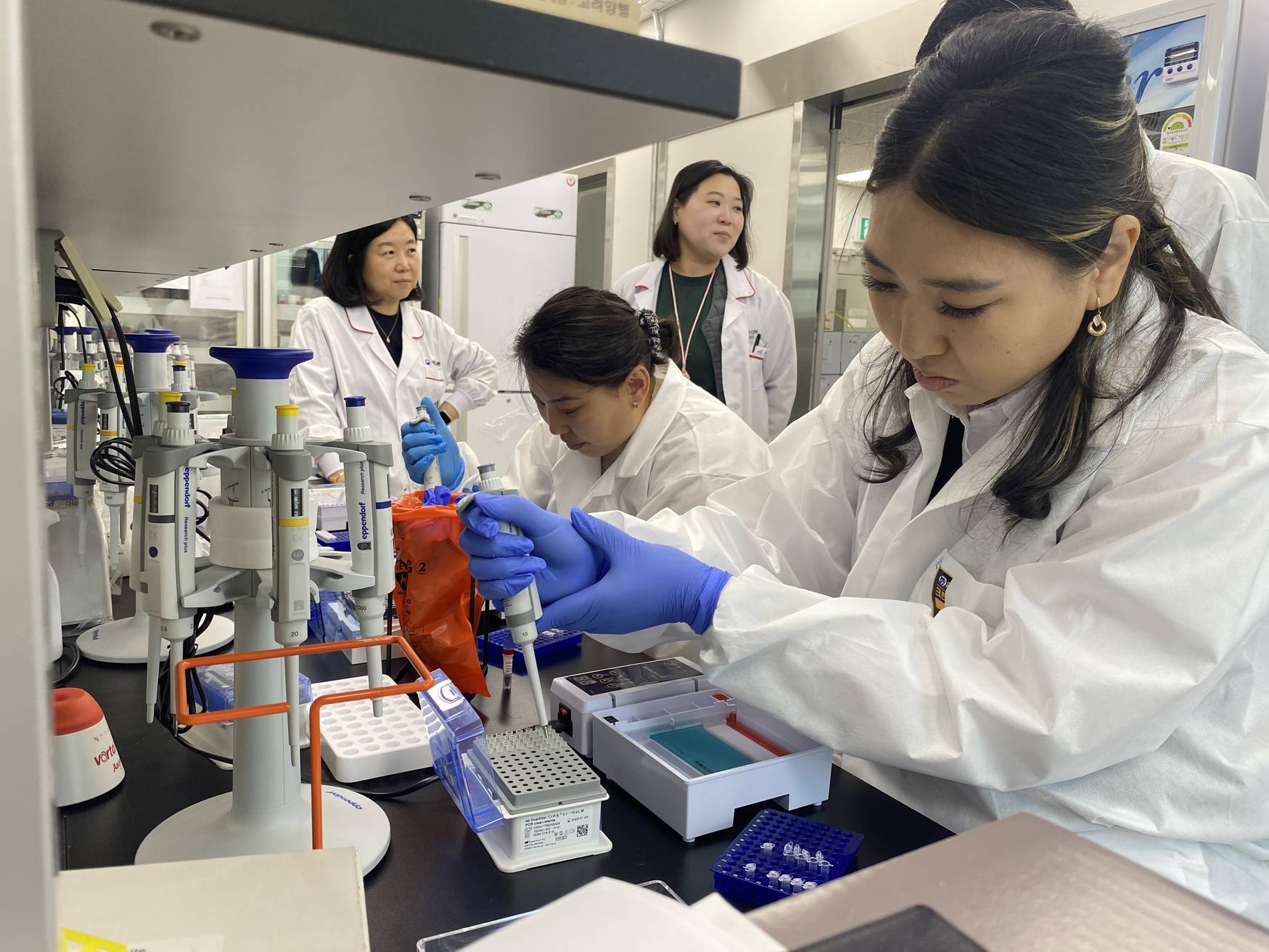
Local personnel receiving hands-on training in laboratory equipment operation Mongolia / National Center for Communicable Diseases / Project to Strengthen Coordinated Responses to Infectious Diseases (2023–2027)
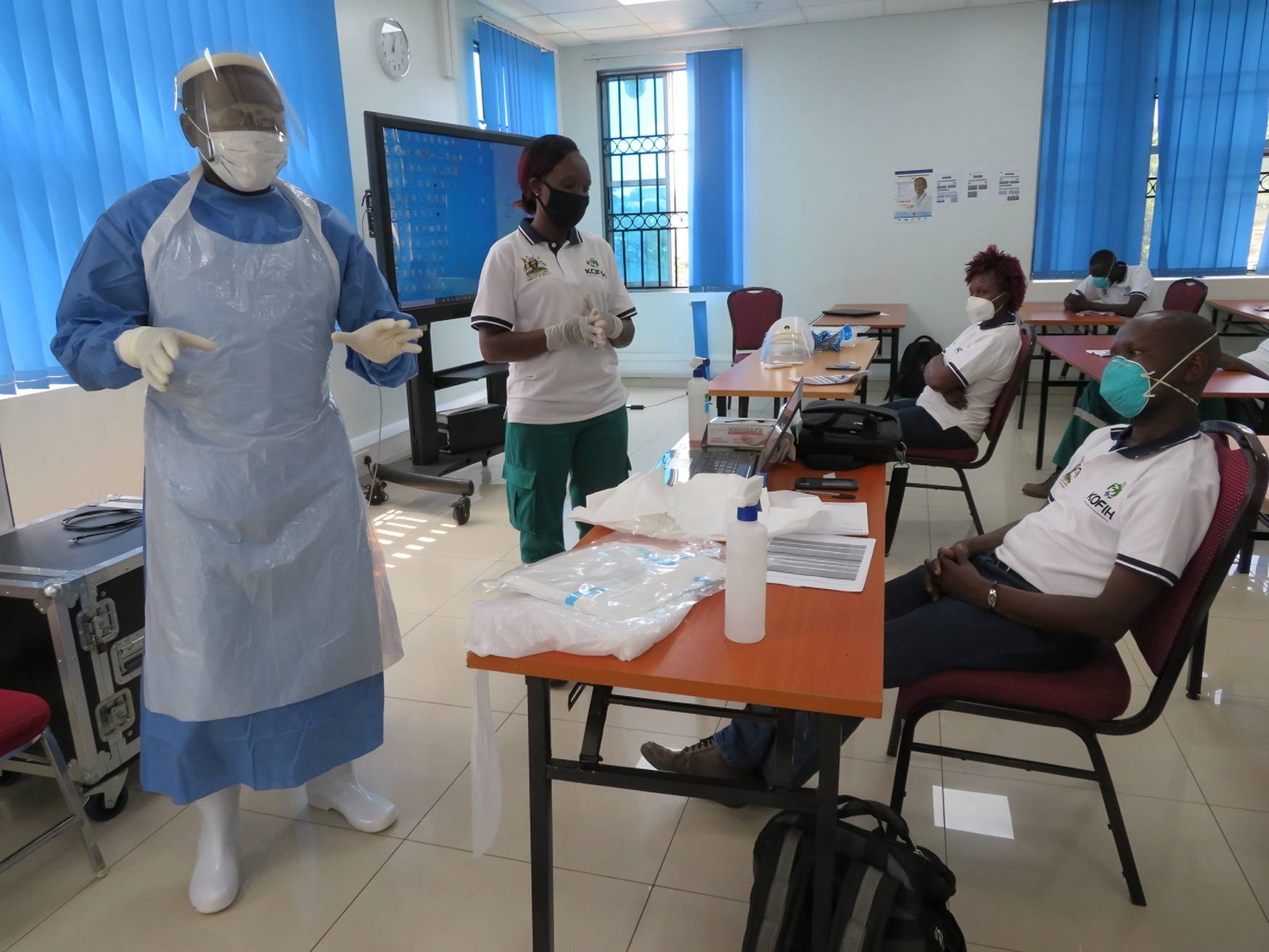
Ambulance personnel learning proper donning and doffing procedures for personal protective equipment Uganda / Ministry of Health / Emergency Medical Services-Centered Strengthening of the Regional Healthcare System Project (2017–2022)
Korea provides training and practical instruction in tuberculosis testing for local healthcare workers, helping them identify patients with infectious diseases and ensure they receive treatment. To maintain a reliable supply of testing materials, Korea has shared techniques used in culturing tuberculosis bacteria and testing their susceptibility to drugs, while supplying equipment to produce culture media locally. These measures enable healthcare professionals to determine which medicines are effective against tuberculosis and use the results to guide treatment.
Korea conducted community screening programmes and provided tuberculosis education for local residents to help identify people who had not yet been tested. It also improved referral systems to connect patients who needed testing with specialised laboratories. Beyond tuberculosis, Korea helps partner countries prepare for emerging infectious diseases by sharing expertise in laboratory diagnostics and disease surveillance and conducting joint training exercises. These activities equip local healthcare workers to detect infectious diseases and respond to outbreaks. During the COVID-19 pandemic, ambulance crews were trained to put on and remove personal protective equipment safely, reducing the risk of infection during patient transport.
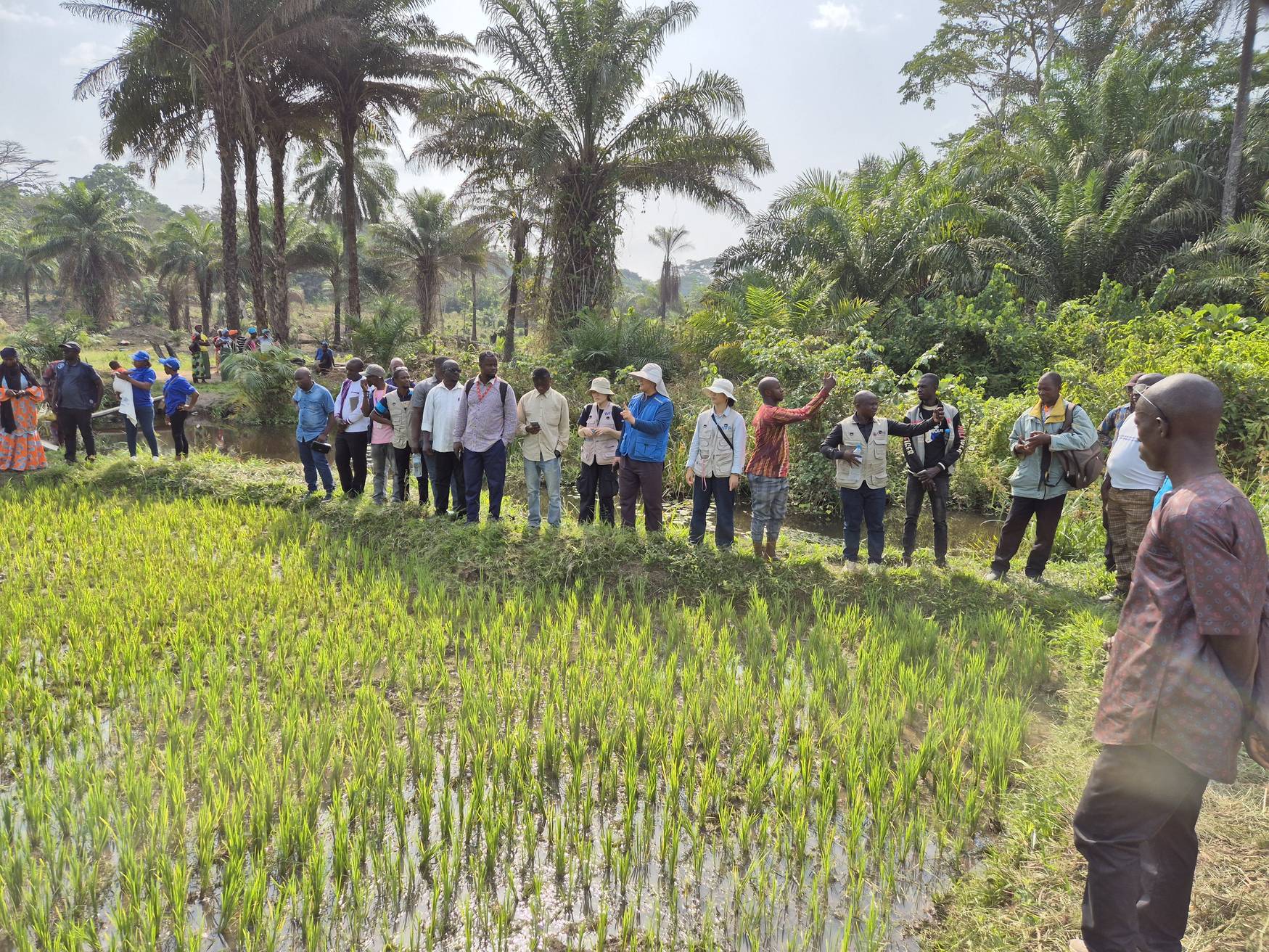
Farmers gathering in rice fields to learn agricultural techniques Guinea / Rural Development Administration (RDA) / Project to Improve the Rice Seed Production System (2024–2028)
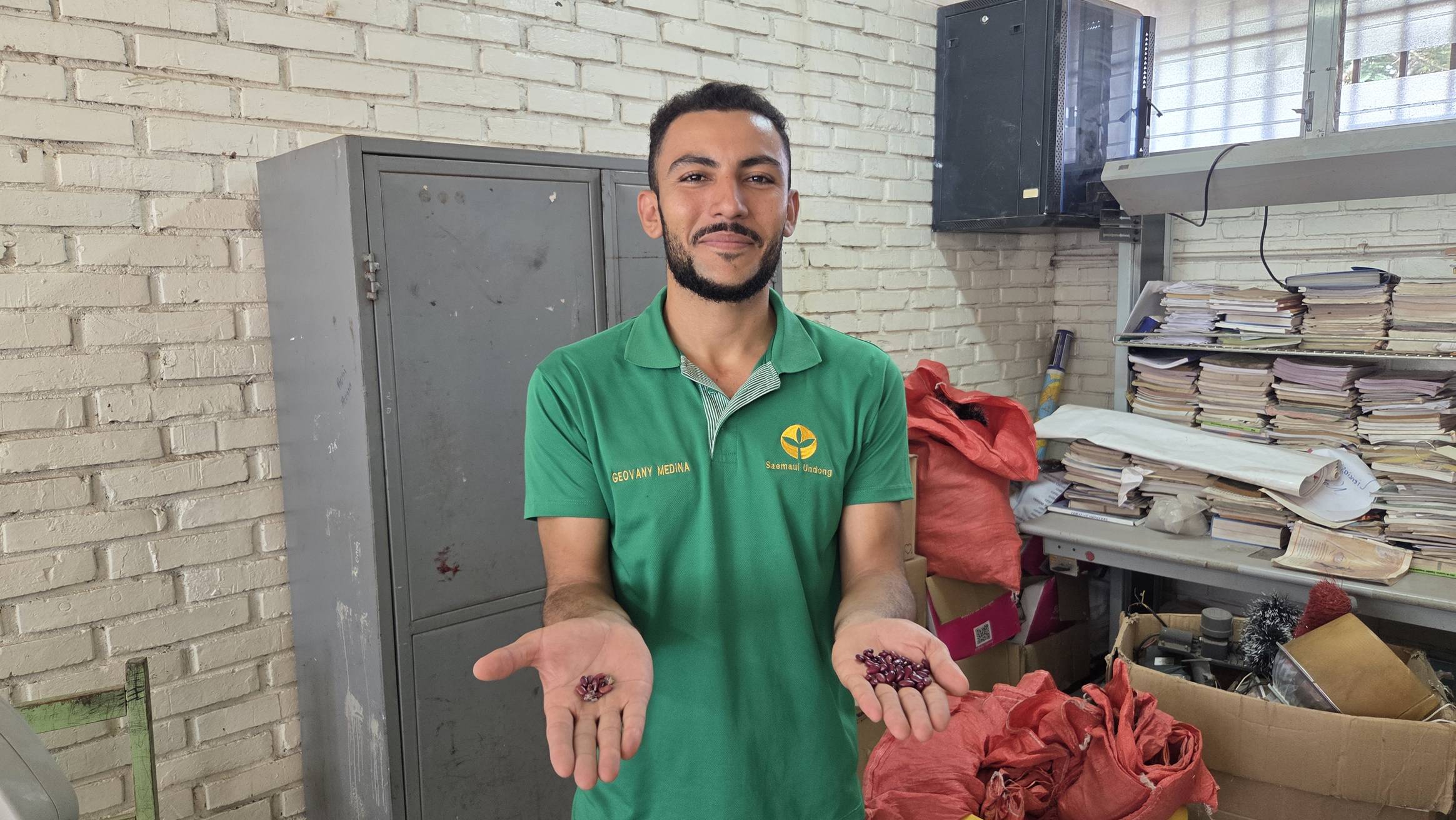
A farmer demonstrating both arms to show the difference before and after using a grain sorter Honduras / Ministry of the Interior and Safety / Saemaul Movement Pilot Village Development and Management Project (2019–2028)
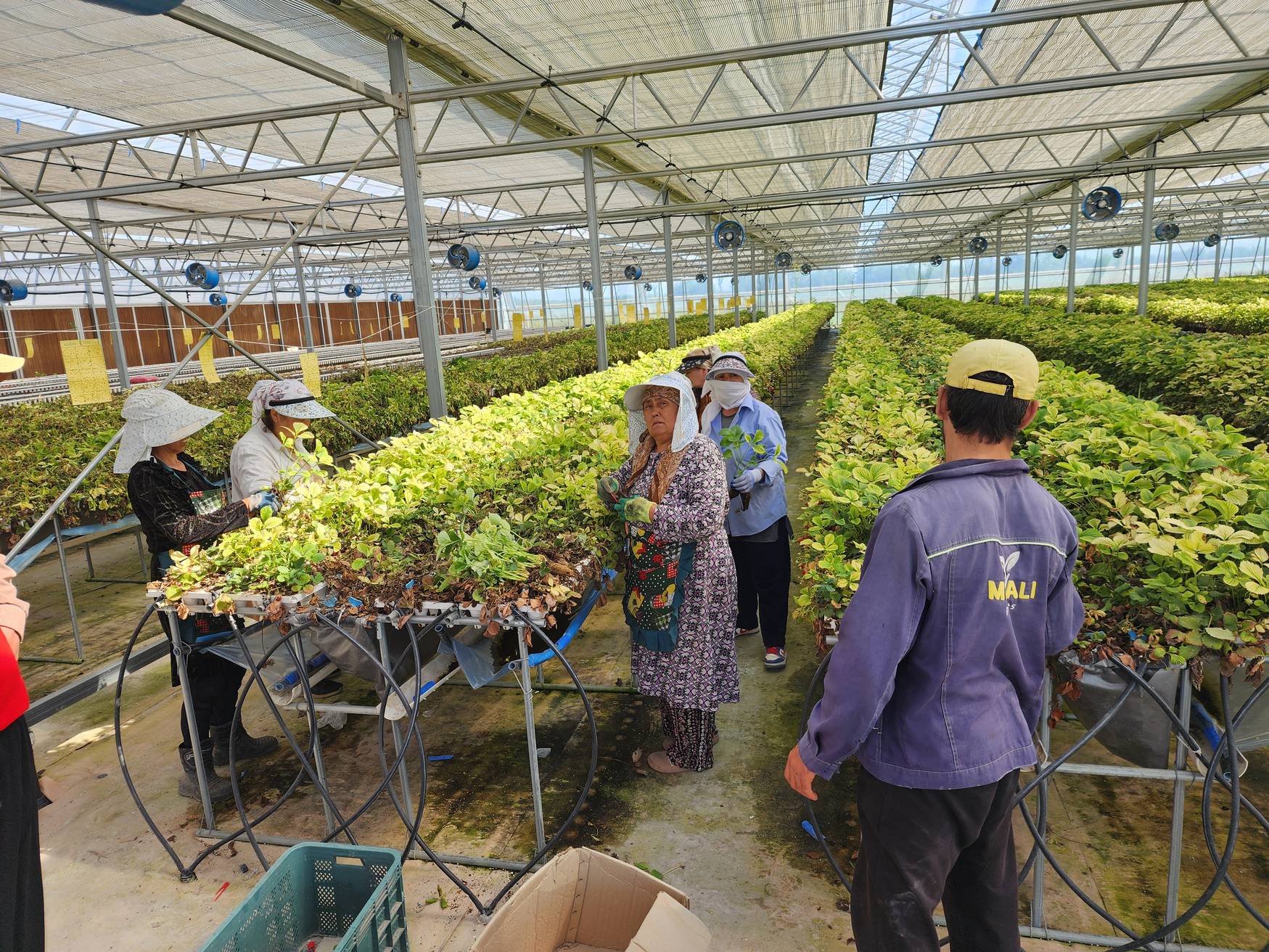
Local workers managing strawberry seedlings at a smart farm nursery Uzbekistan / Ministry of Agriculture, Food and Rural Affairs / Smart Farm Project for High-Quality Fruit and Vegetable Production (2022–2026)
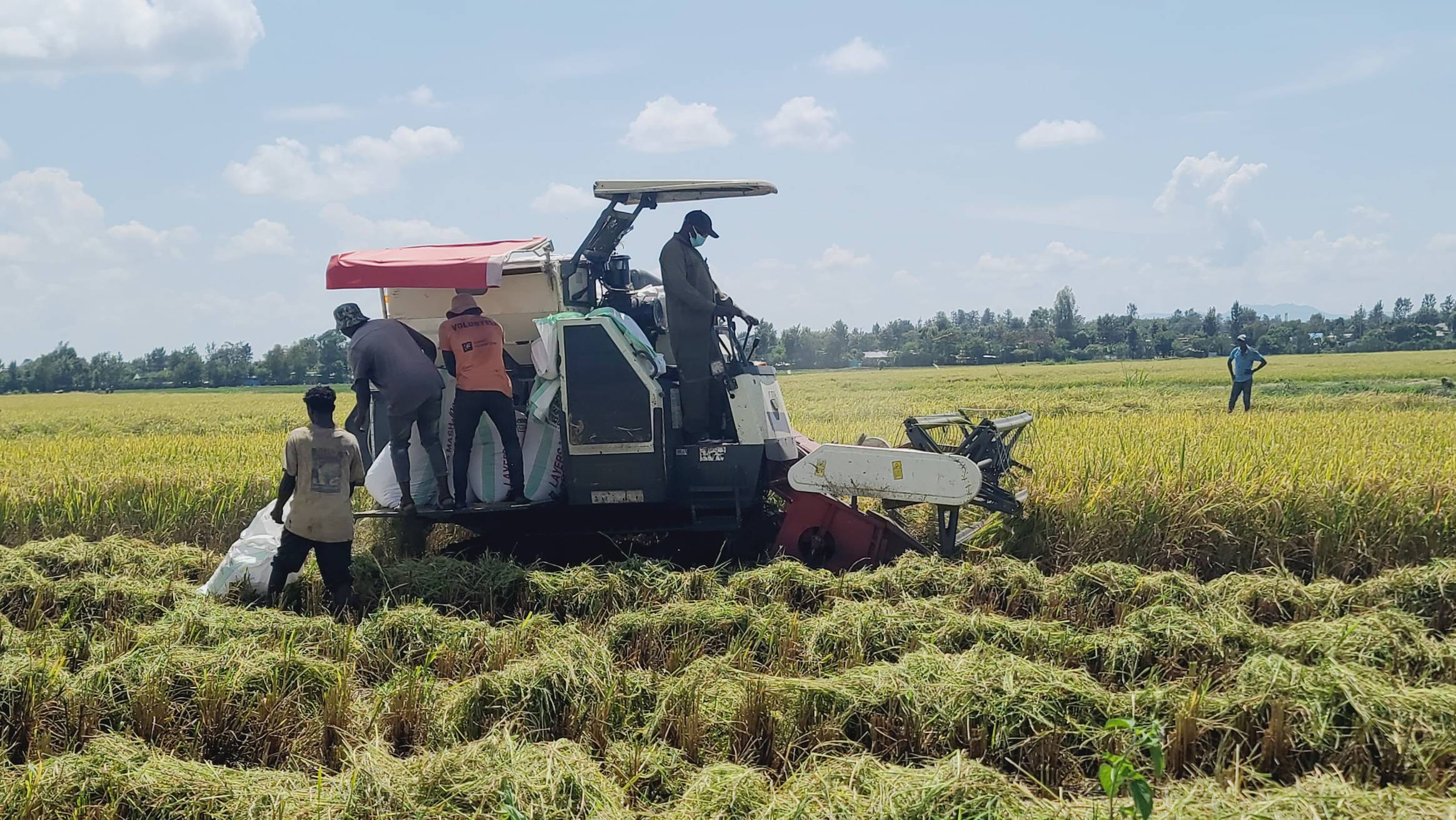
Rice seed production complex harvesting rice using a combine harvester Kenya / Ministry of Agriculture, Food and Rural Affairs / African Rice Belt Development Project (Development of Rice Cultivation Complexes) (2024–2028)
Korea provided sorting machines and drying facilities, along with agricultural training, to help farmers improve the quality of their harvests. The red beans held in a farmer’s hands show the results of using a grain sorting machine to separate impurities and lower-quality grains.
Korea also supports the production of seeds for the next planting season. To enable farmers to produce and distribute high-yield rice seeds locally, Korea developed seed production sites and irrigation channels and dispatched experts to share cultivation techniques. Farmers and local technicians receive training in every stage of production, from sowing and raising seedlings to water management, harvesting and storage. During the harvest season, farmers gain access to agricultural machinery and the technical know-how to use it. At a smart farm nursery, local staff can be seen tending young seedlings. The project builds the foundations for local agricultural production, enabling farmers to improve the quality of their harvests and produce and distribute seeds locally, rather than simply relying on seeds supplied from elsewhere.
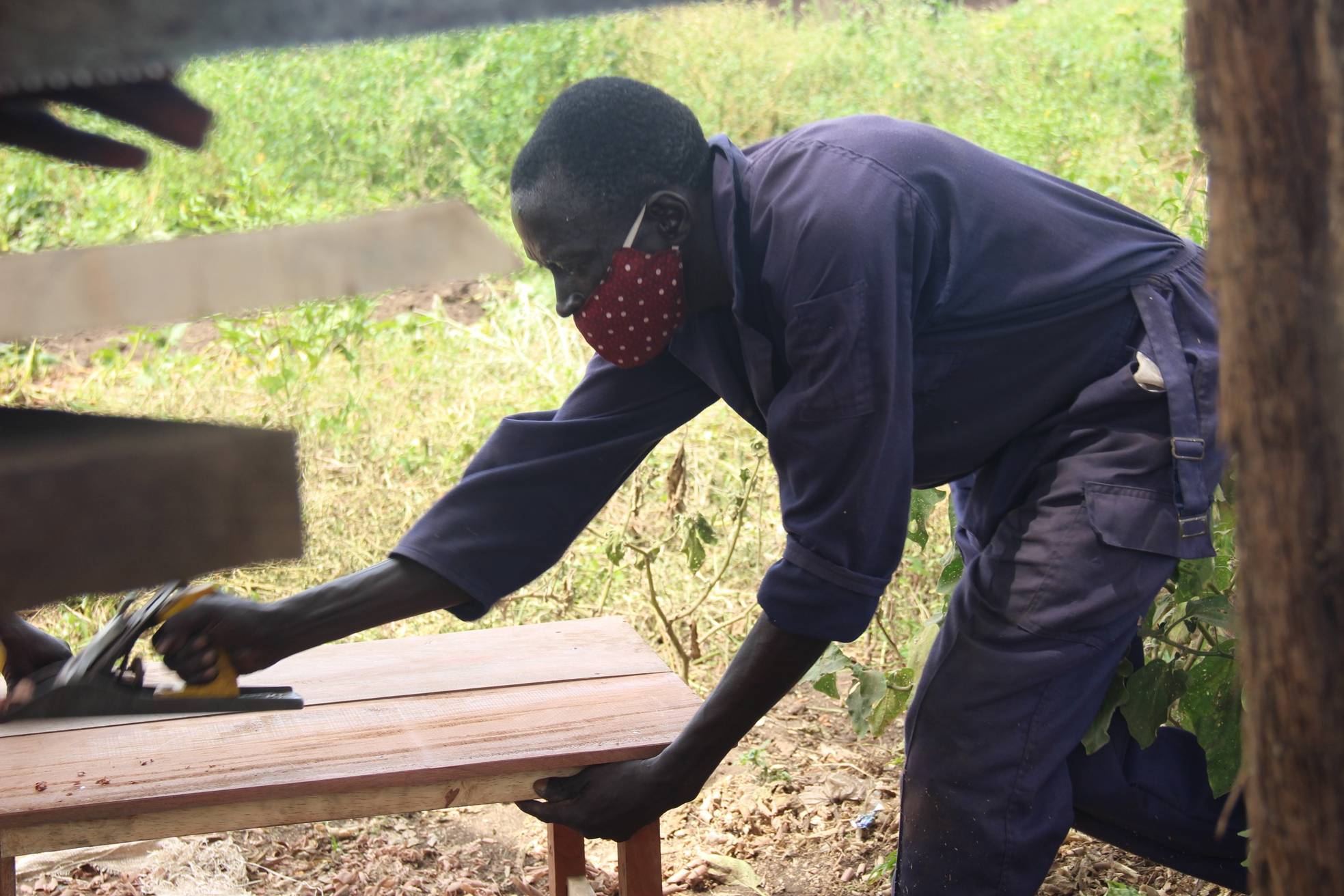
Graduates building tables in a workshop after completing carpentry training Uganda / Korea International Cooperation Agency (KOICA) / Empowerment Project for Refugees and Local Women (UNDP) (2019–2024)
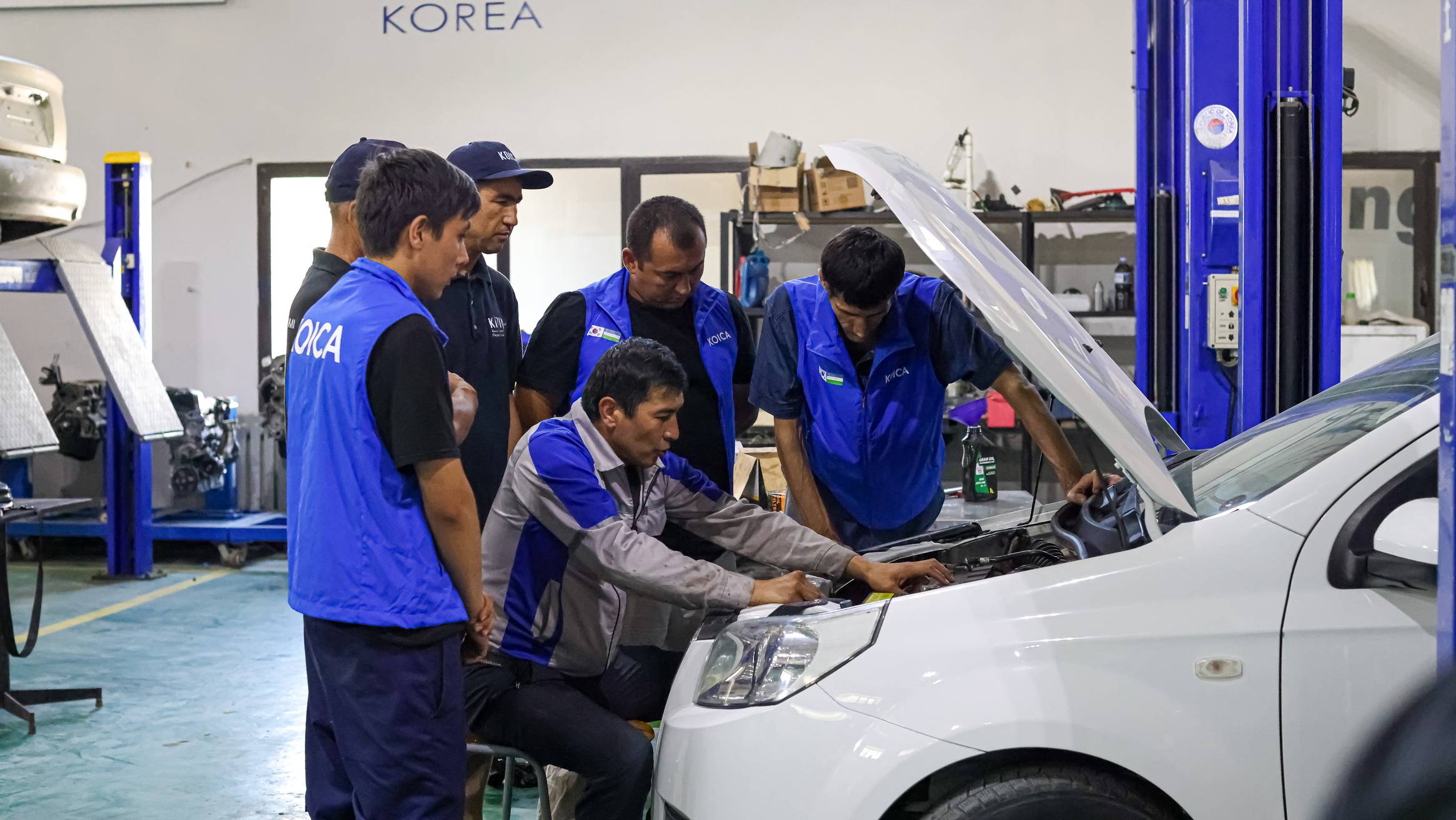
Trainees learning automotive maintenance skills through hands-on vehicle inspection Uzbekistan / Korea International Cooperation Agency (KOICA) / Vocational Training Center Establishment Project (2007–2012)
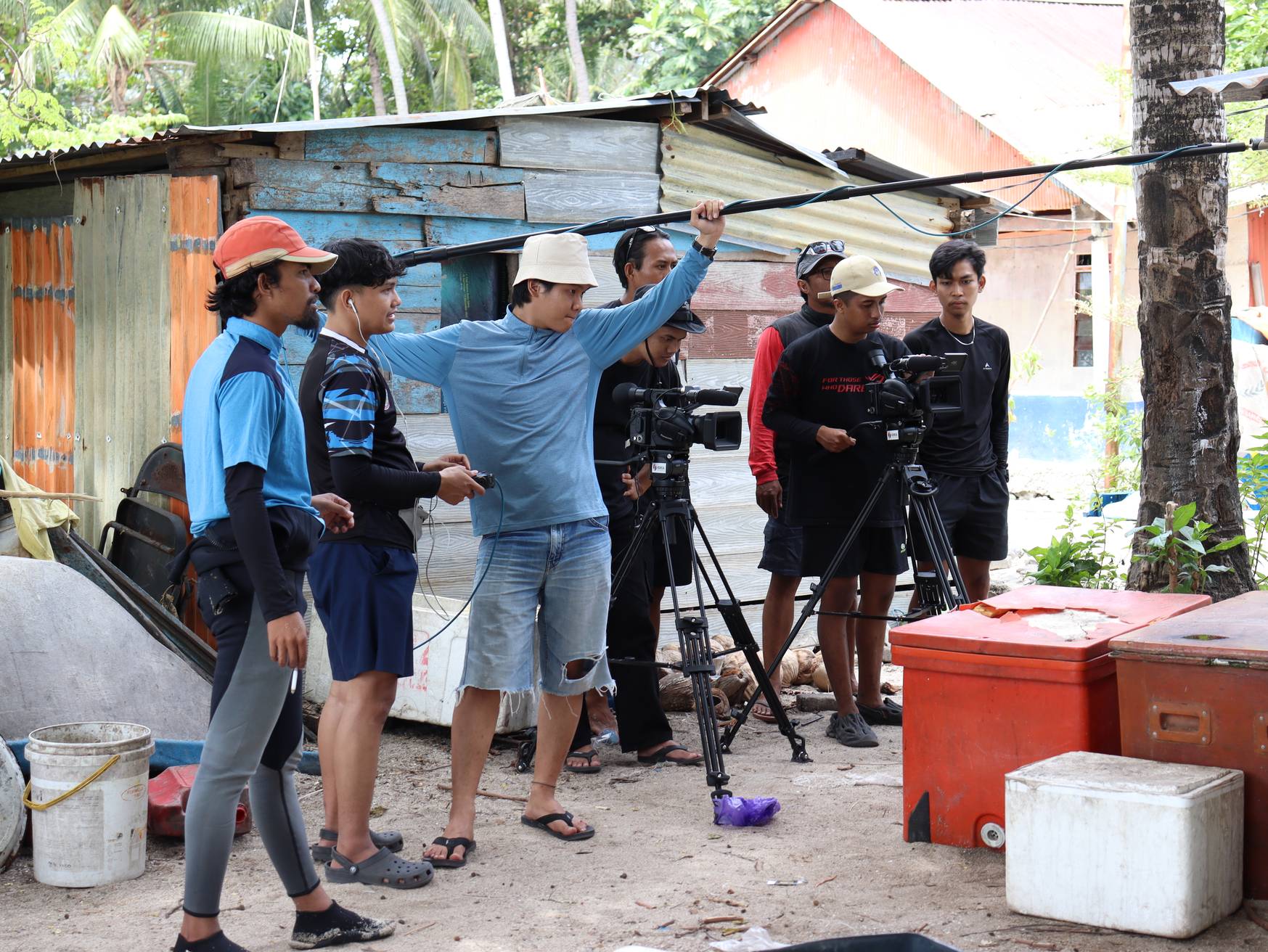
Trainees learning to operate video production equipment Indonesia / Ministry of Culture, Sports and Tourism / Digital Content Workforce Development Project (2023–2027)
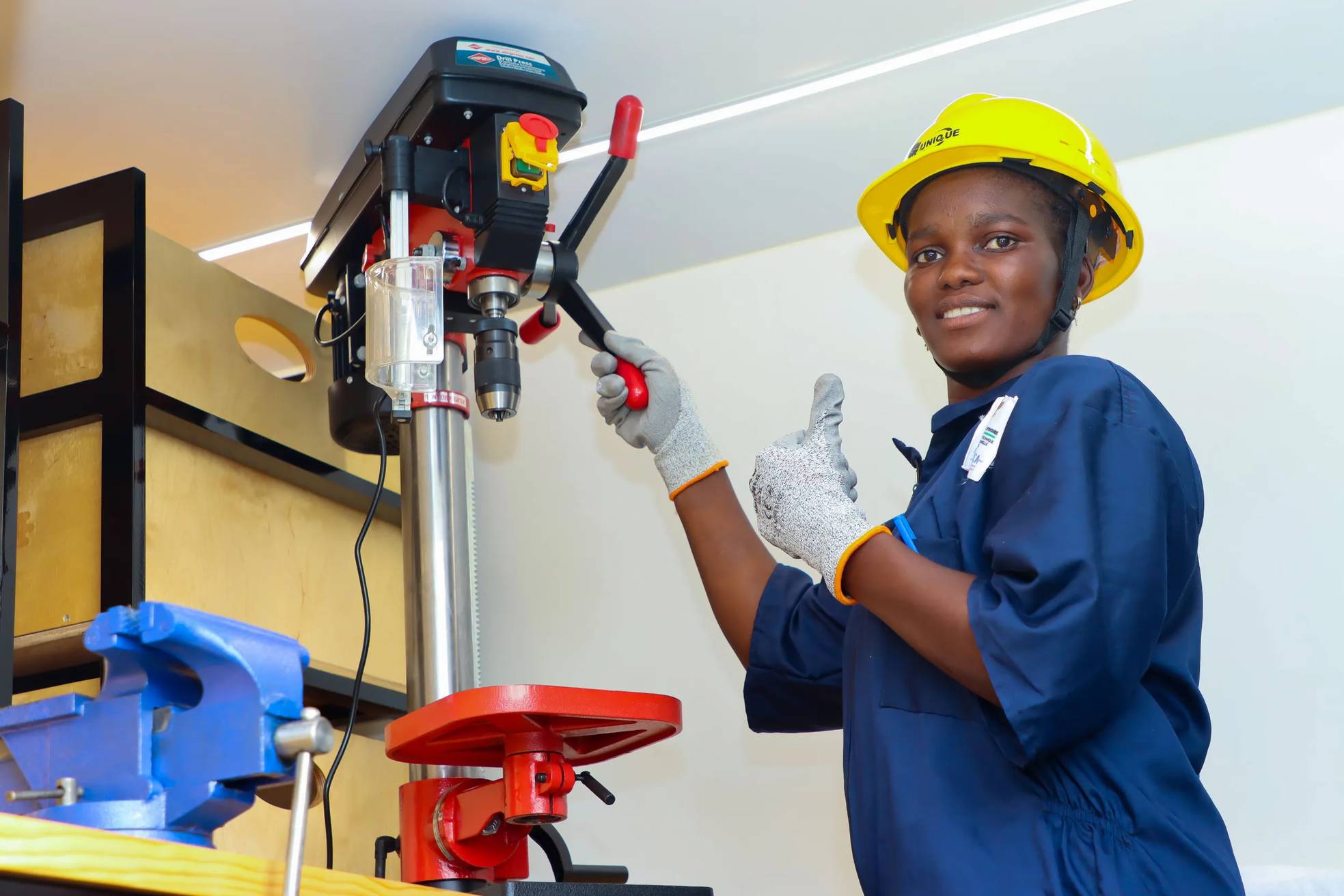
A student learning electrical installation skills through vocational training Côte d’Ivoire / Korea International Cooperation Agency (KOICA) / Gender-Responsive Inclusive Secondary Education Project (April 2022–December 2025)
The carpenter opened his own workshop using the skills he gained through vocational training and the money he saved from working. He now makes and sells beds, tables and doors to support his family, while creating jobs for other young people. Korea offers vocational training and practical learning opportunities so that people can put their skills to work. The programme makes facilities, equipment and training courses available to help participants develop practical, job-ready skills, including hands-on automotive maintenance training and video production classes where students learn to operate filming equipment.
For young people who cannot easily access training centres, mobile training facilities bring learning opportunities closer to home. The student pictured, who had left school because of financial difficulties, is now receiving free training in electrical installation from a local technician. The project gives participants access to both education and hands-on work experience, helping them acquire the skills they need to earn a living.
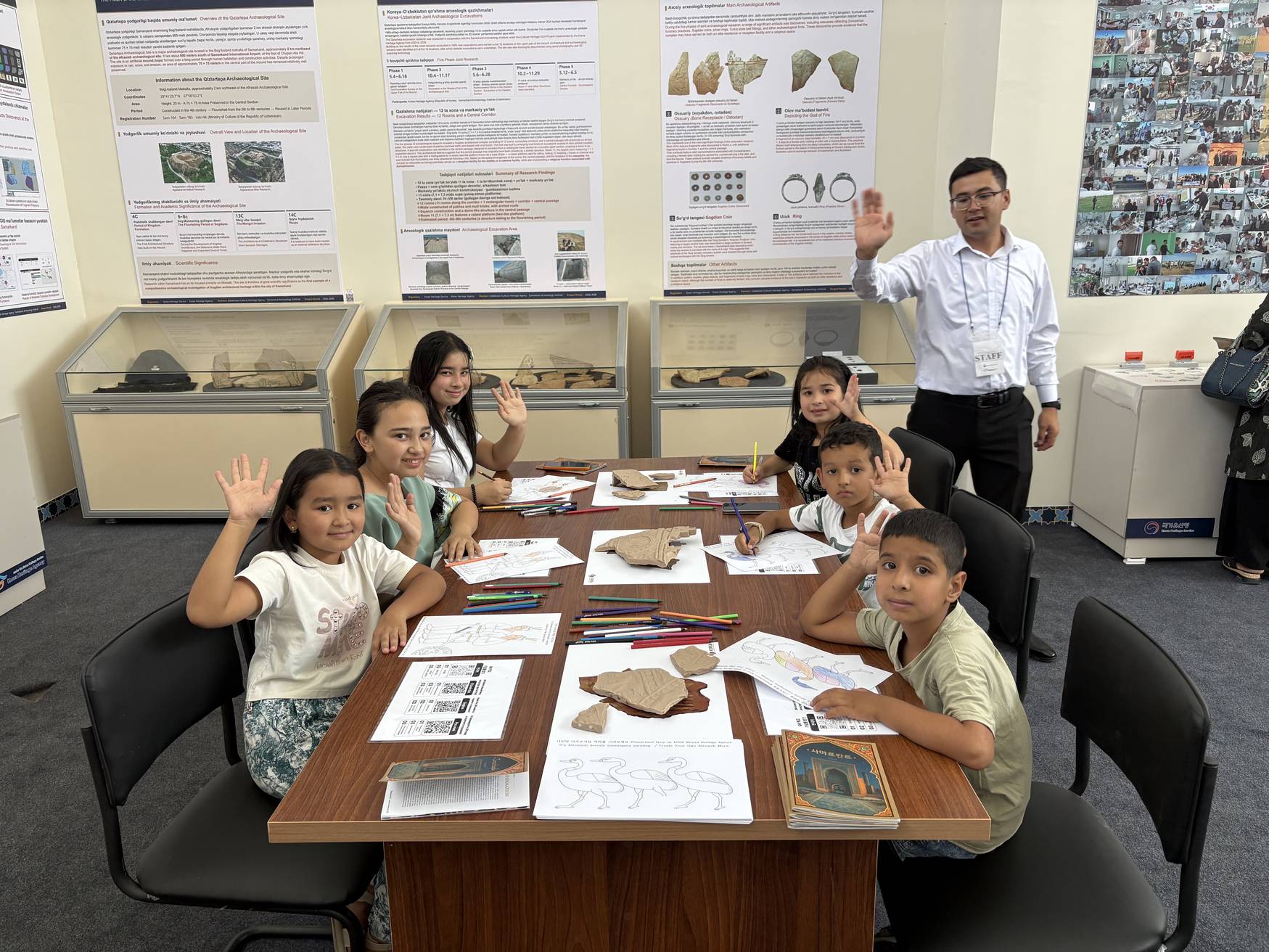
Participants in a cultural tourism pilot program experiencing traditional pottery conservation and restoration techniques Uzbekistan / Korea Heritage Service / Capacity-Building Project for the Development of Cultural Tourism Resources in the Samarkand Region of Uzbekistan (2022–2026)
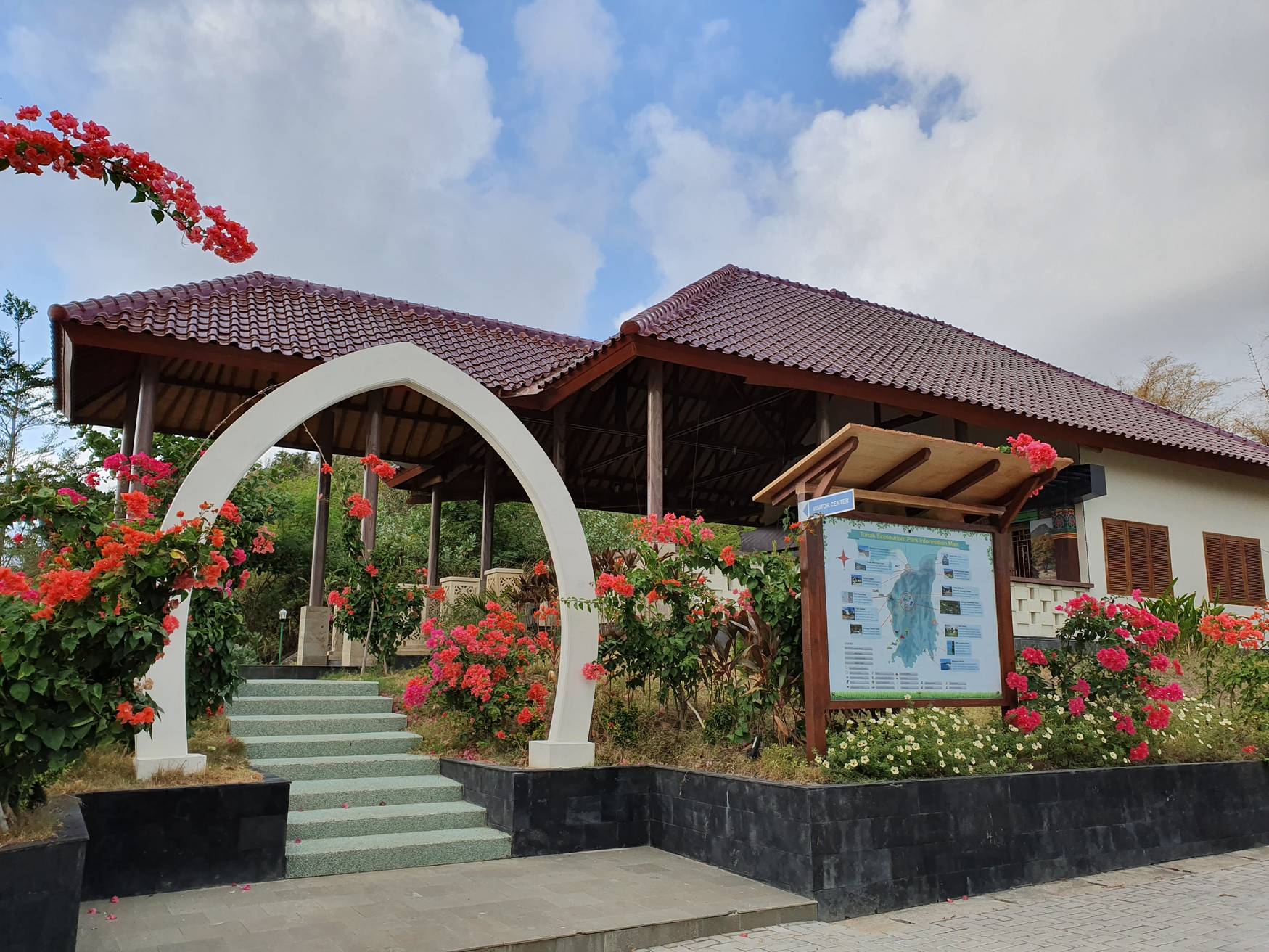
Tunak Center established for forest recreation and ecotourism Indonesia / Korea Forest Service / Forest Recreation and Ecotourism Cooperation Project (2015–2018)
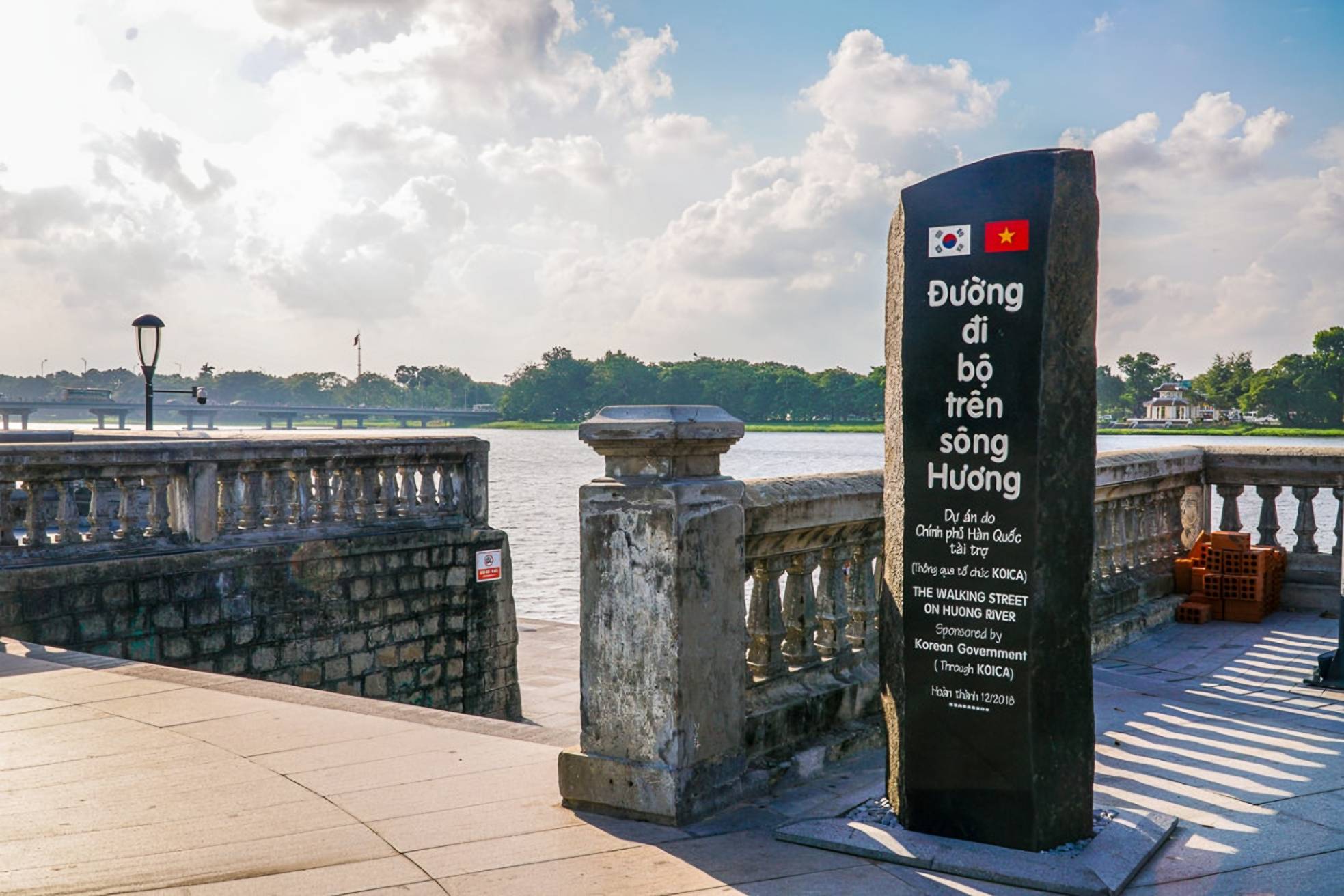
Commemorative monument at the riverside pedestrian promenade developed through the cultural tourism project Vietnam / Korea International Cooperation Agency (KOICA) / Cultural Tourism Smart City Development Support Project (2021–2028)
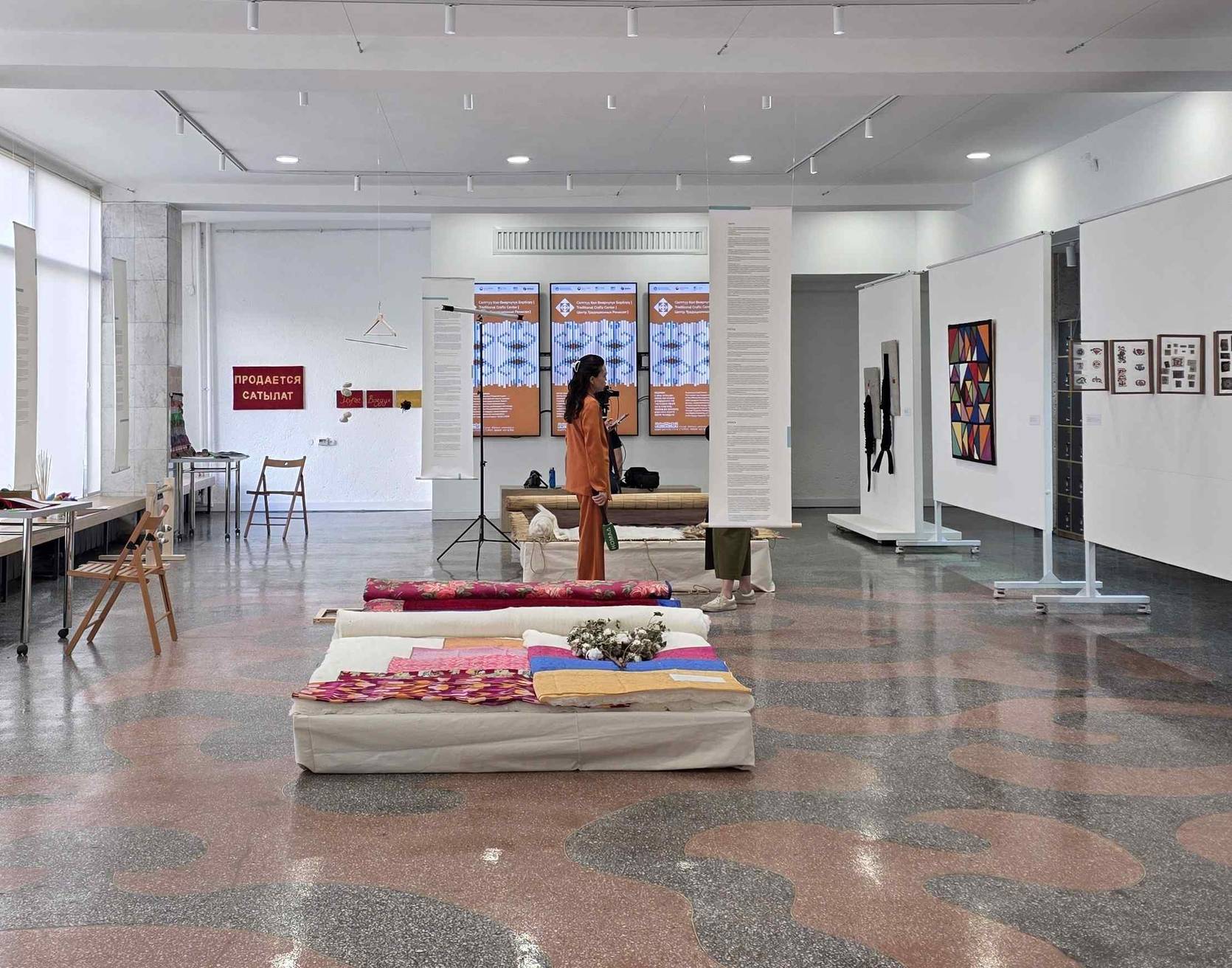
Textile artworks on display in a traditional crafts exhibition space Kyrgyzstan / Korea Heritage Service / Project to Strengthen Traditional Craftsmanship and Digital Marketing Capabilities (2023–2026)
Korea invests in facilities and programmes that enable local communities to develop their cultural and natural assets into tourism attractions. To allow visitors not only to view cultural heritage but also to experience it firsthand, museum exhibitions and visitor facilities were upgraded, and a pilot programme was introduced where participants could try their hand at pottery conservation. A forest recreation and ecotourism centre was established to welcome visitors and offer a place to explore the surrounding woodland.
Efforts are also underway to make tourist destinations more pleasant places to walk and spend time. The stone marker pictured indicates a riverside pedestrian area developed as part of a cultural tourism smart city project. Spaces for displaying and experiencing traditional crafts have been created, introducing visitors to the skills and works preserved by local communities. Together, these initiatives turn cultural heritage, forests, riversides and traditional crafts into tourism opportunities that reflect the distinctive character of each region.
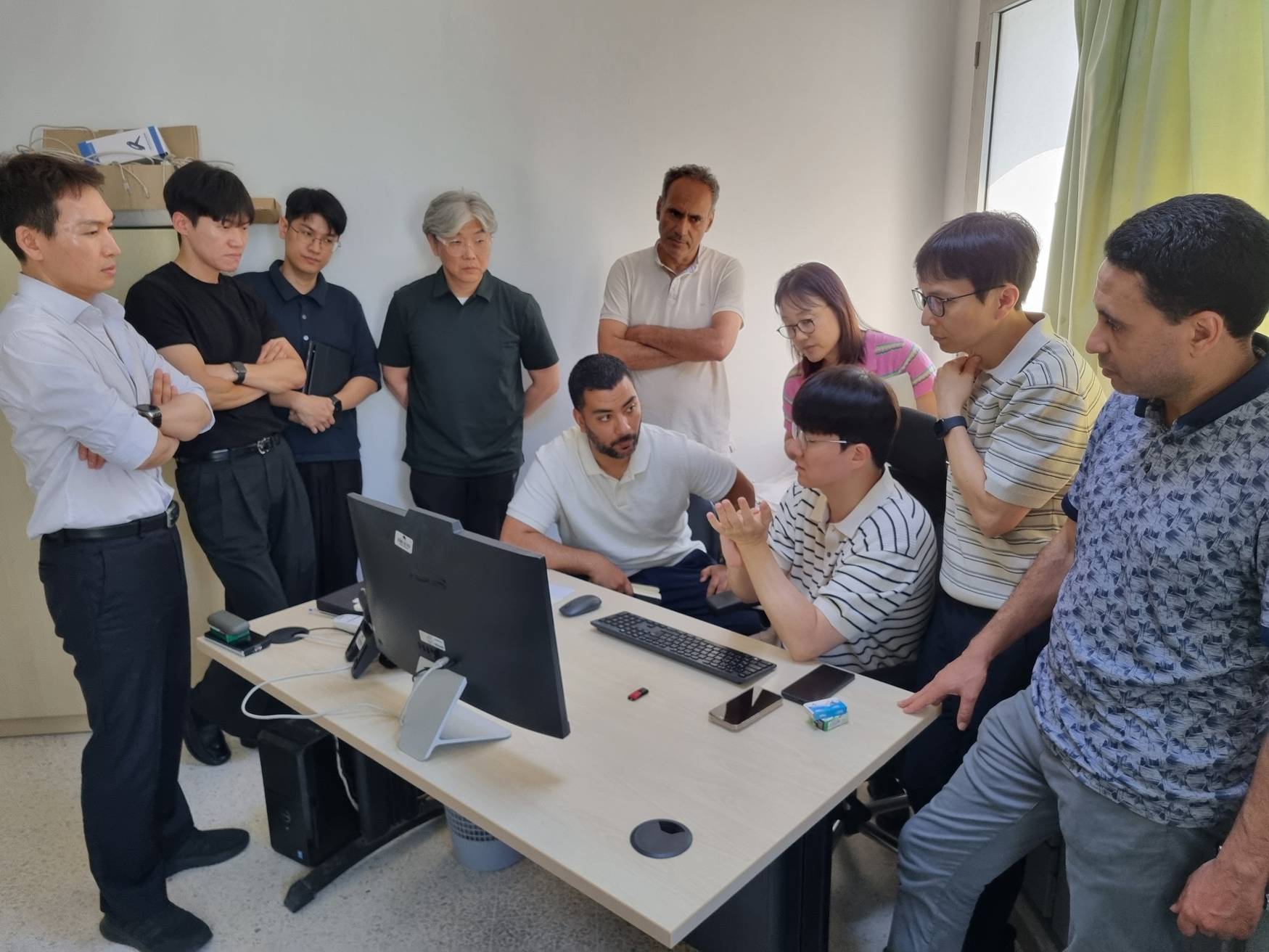
Staff learning to use the industrial property information system Tunisia / Korea International Cooperation Agency (KOICA) / Project to Improve the Public Administration Information System for Industrial Property Rights (2022–2027)
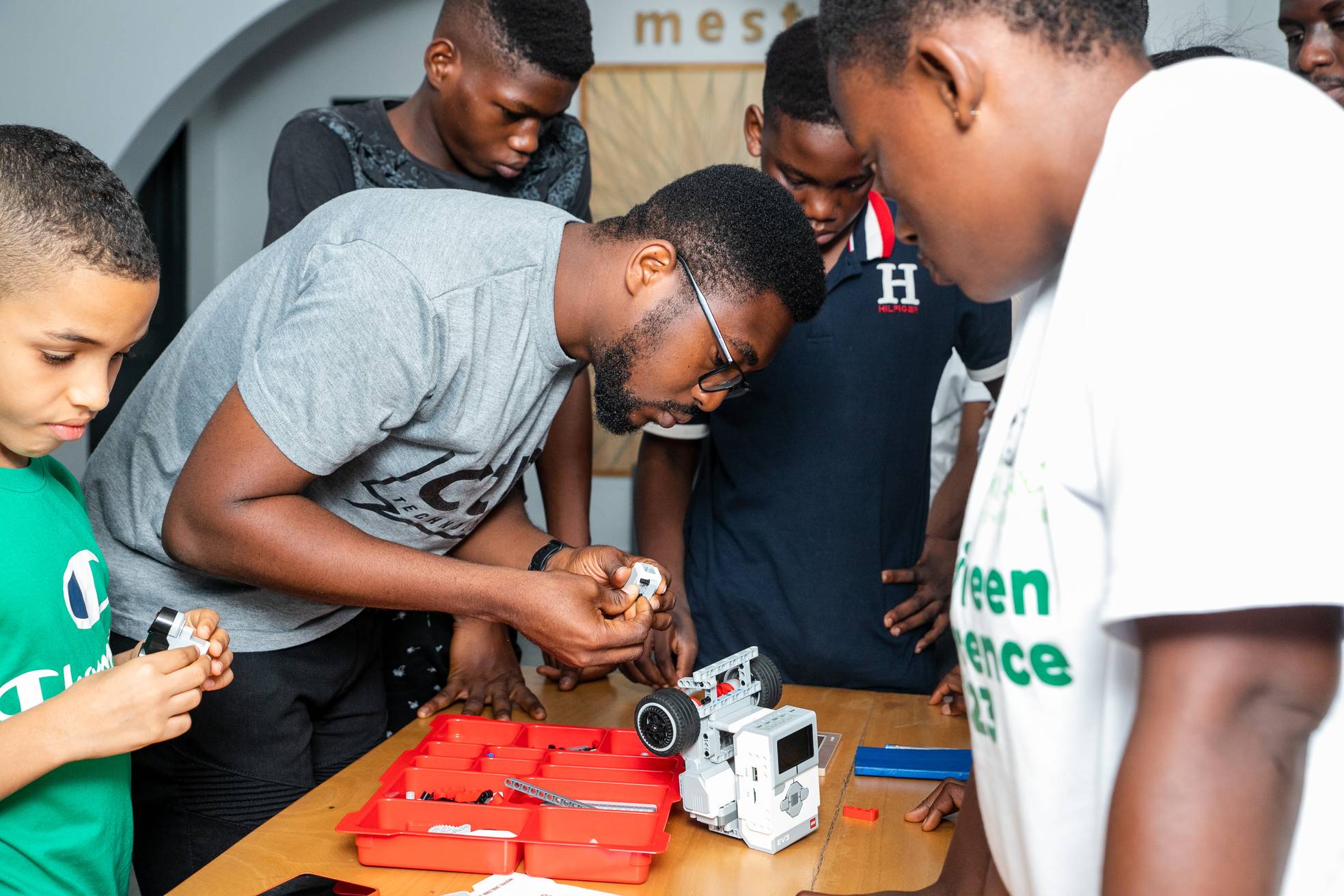
Youth learning robot assembly while listening to the instructor's explanation Ghana / Korea International Cooperation Agency (KOICA) / Entrepreneurship and Innovation Acceleration Project (August 2022–December 2026)
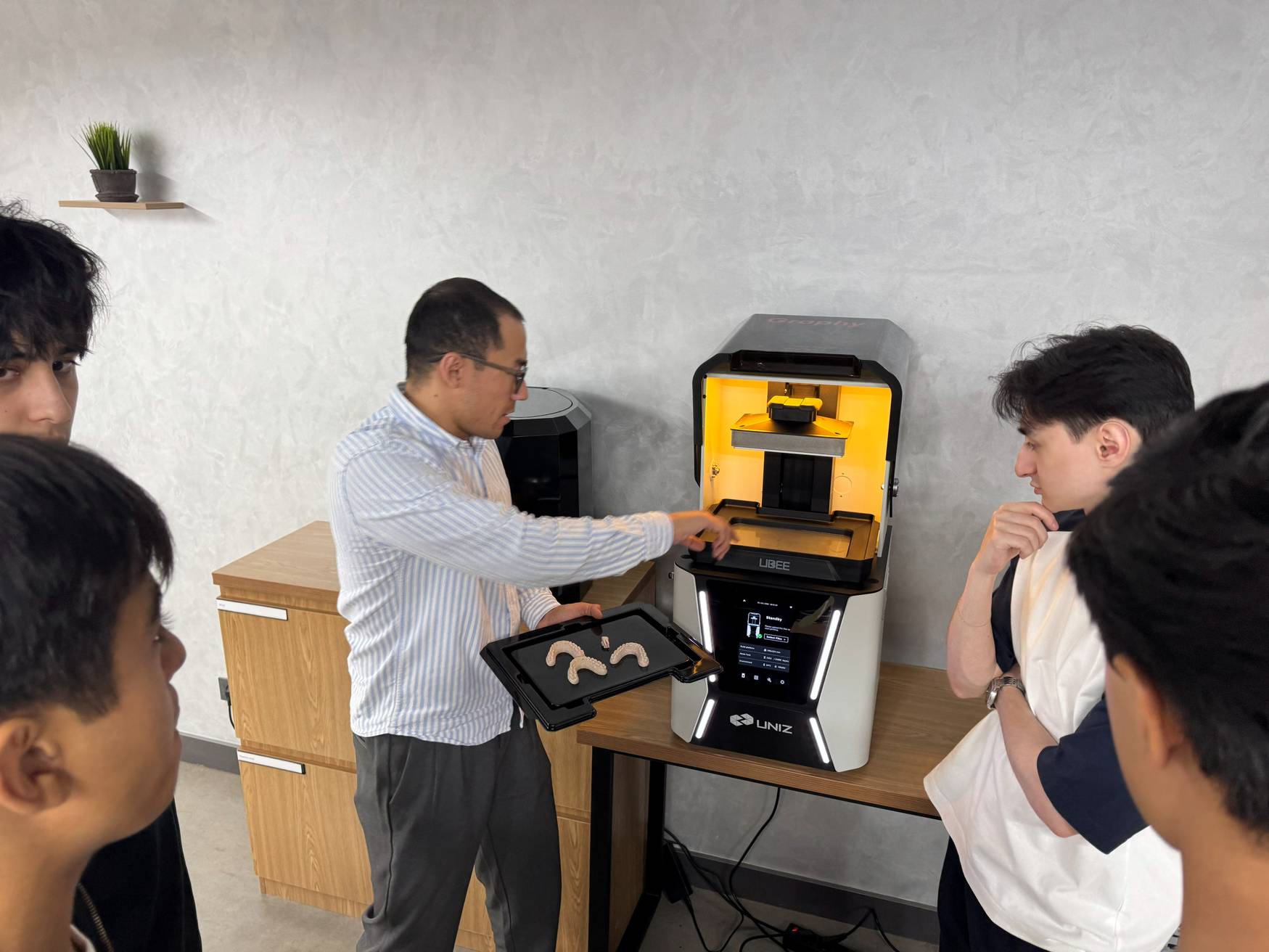
Exploring digital fabrication techniques using 3D printers and printed objects Uzbekistan / Ministry of Science and ICT / Capacity-Building Support for Digital Fabrication Infrastructure Development (2023–2027)
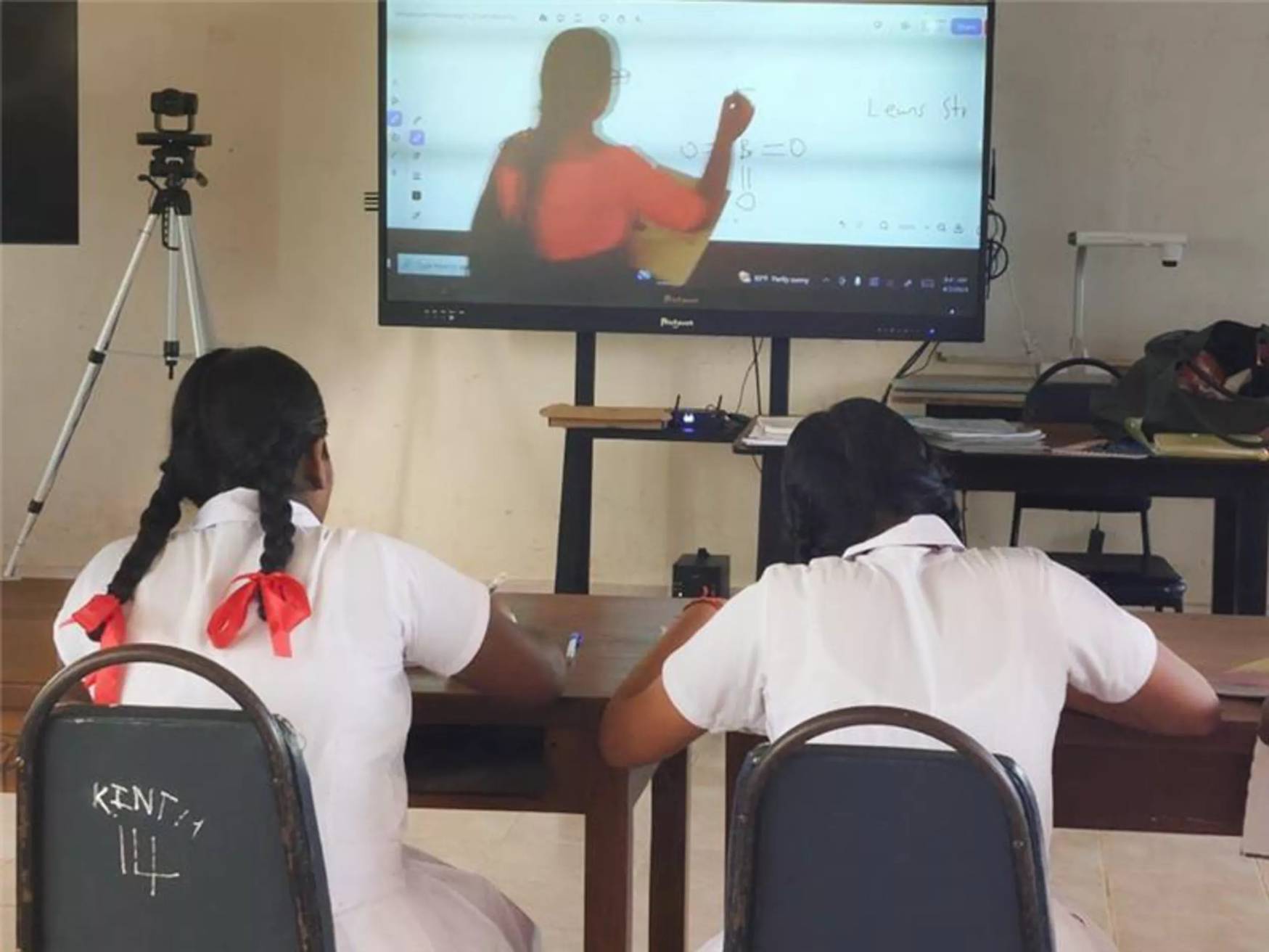
Remote class conducted with teachers from another school via an interactive whiteboard Sri Lanka / Korea International Cooperation Agency (KOICA) / UNICEF / Digital Partner Twin Classroom (DPTC) Pilot Project (Pilot Implementation in 2024)
Korea has introduced document digitization and information search systems into industrial property administration in partner countries, along with training to help local staff use them effectively. Opportunities to learn technical skills through hands-on experience are also expanding. Korea has helped a local company acquire equipment for practical robotics training for young people. At digital fabrication facilities, programming and 3D modelling courses allow participants to turn their designs into prototypes.
Technology is changing not only how people learn technical skills, but also what they can learn. By connecting schools facing teacher shortages with other schools in real time, students can now take classes in subjects that were previously unavailable because there were no teachers to teach them
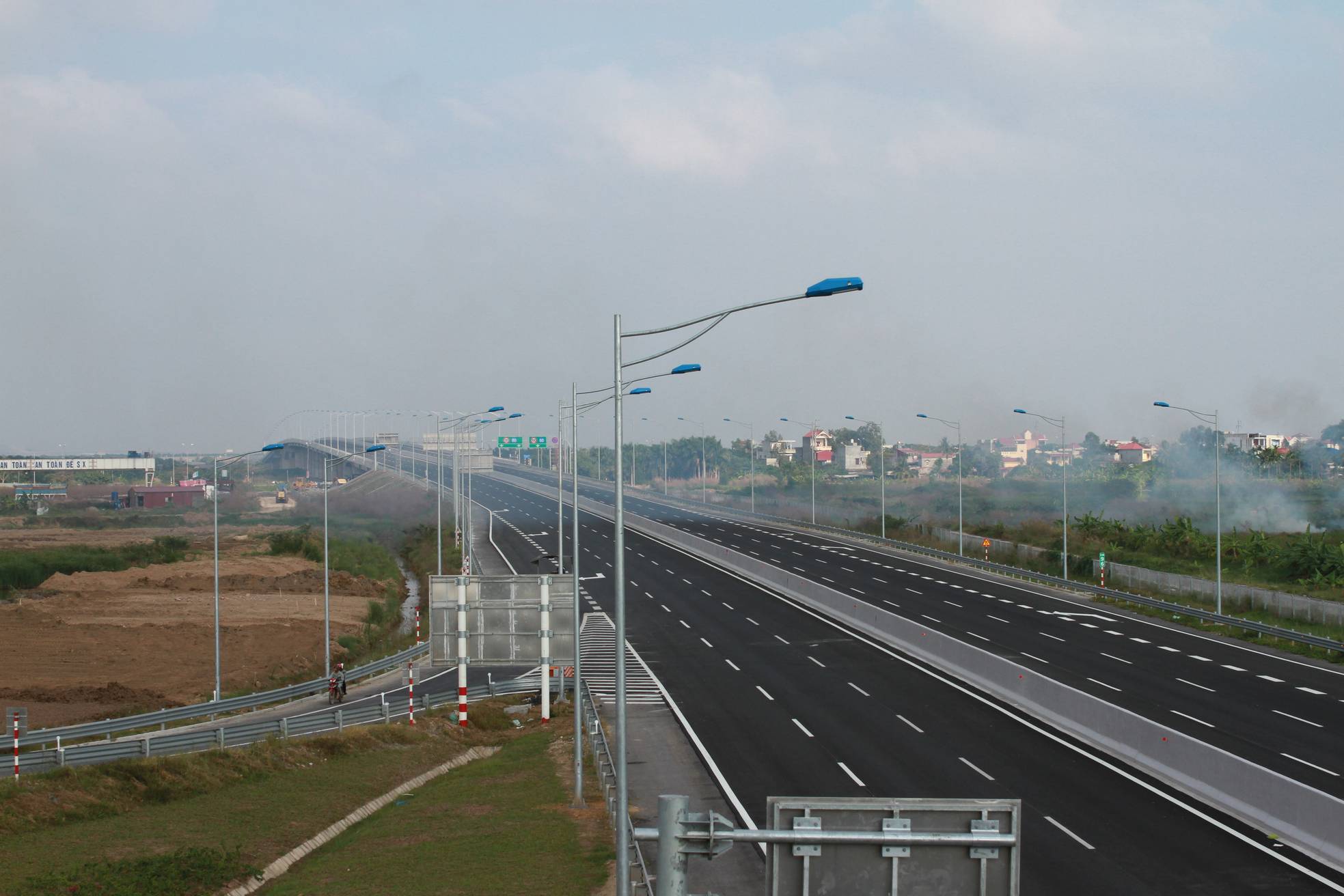
Expressway connecting the capital city and the port city Vietnam / Ministry of Finance / Expressway Construction Project (2008–2016)
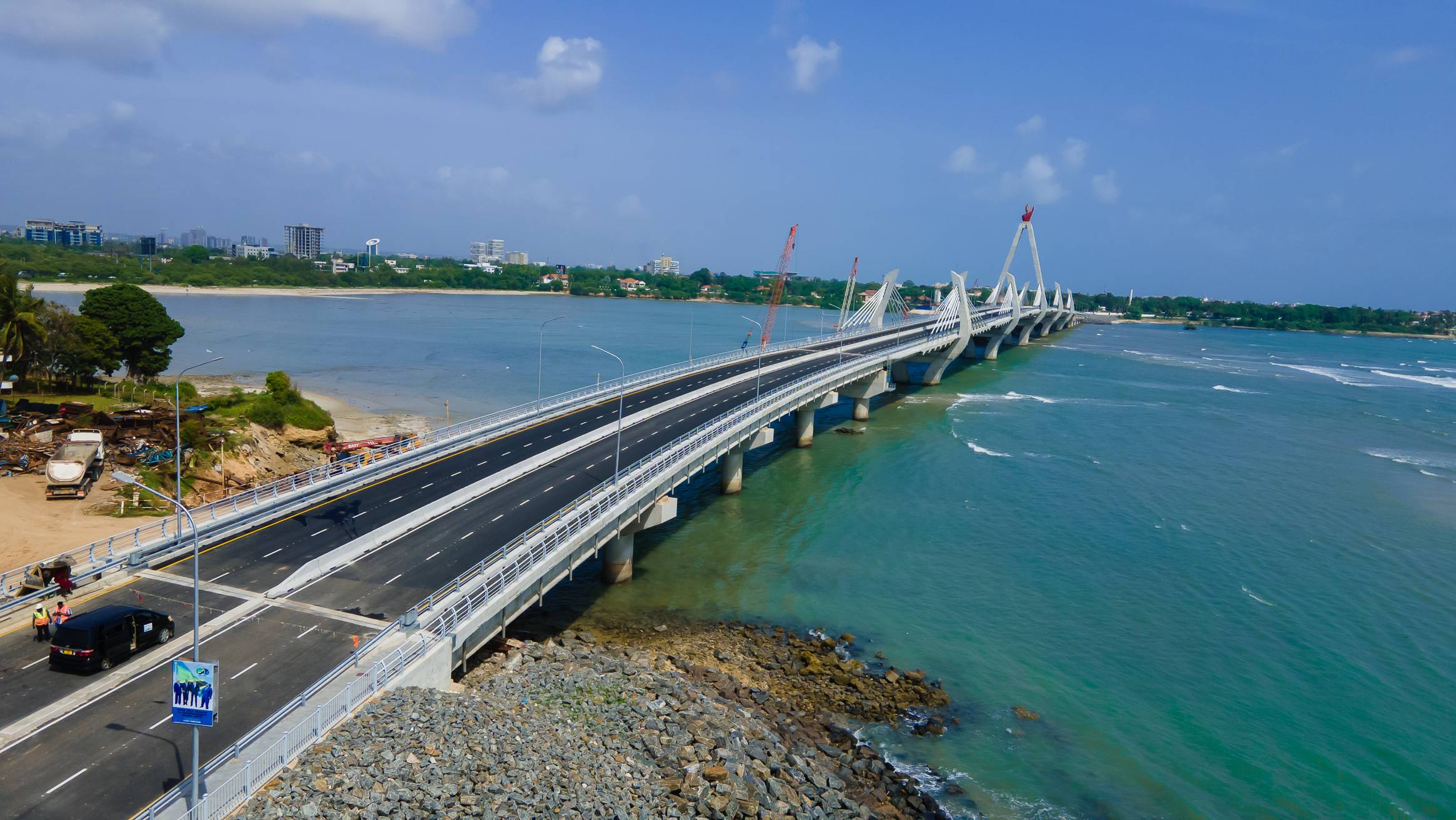
Bridge connecting business and residential districts across the coastline Tanzania / Ministry of Finance / Bridge Construction Project (2016–2023)
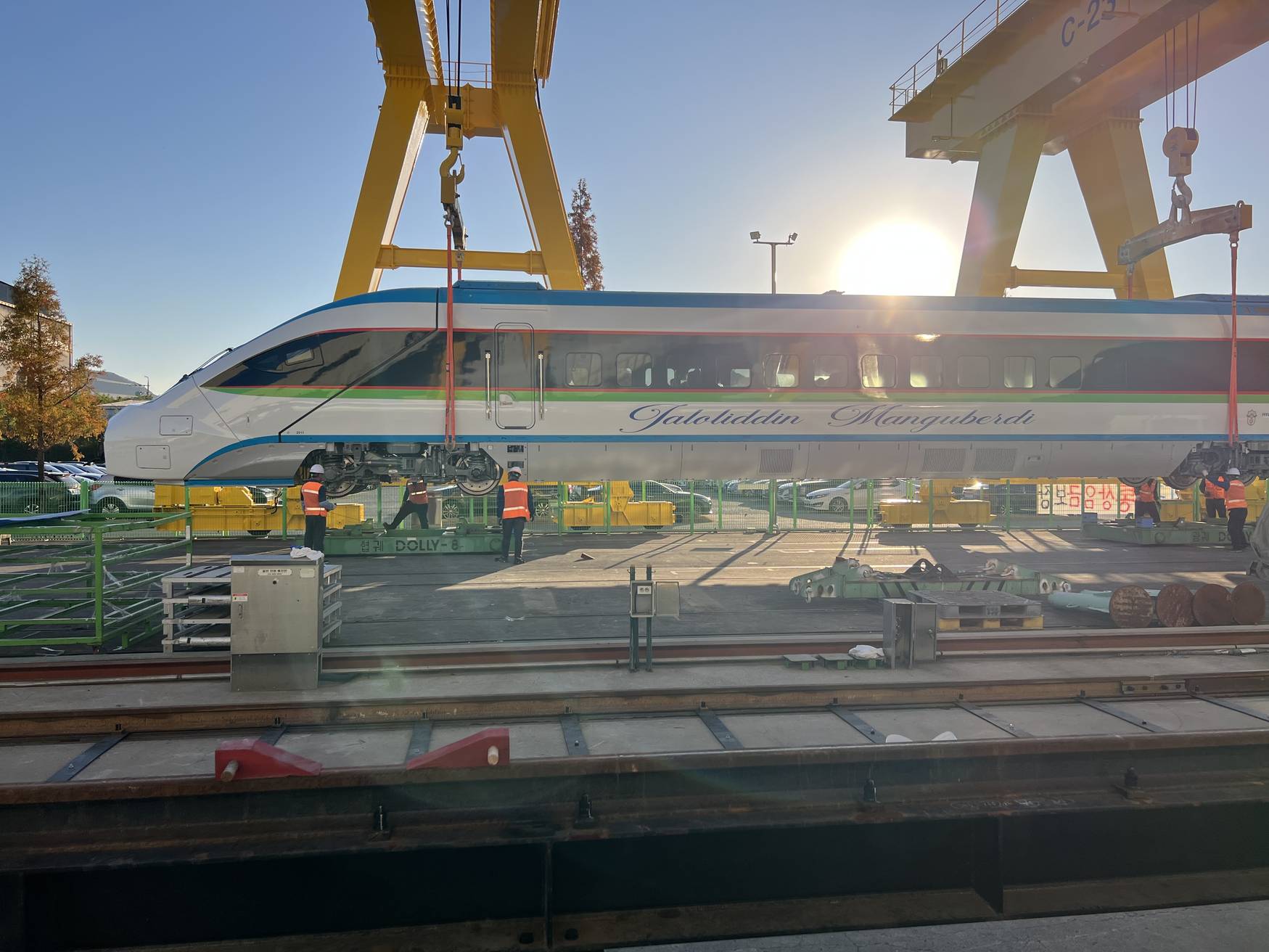
High-speed rail vehicles loaded onto a ship for delivery to the local market Uzbekistan / Ministry of Economy and Finance / High-Speed Rail Vehicle Procurement Project (2024–2027)
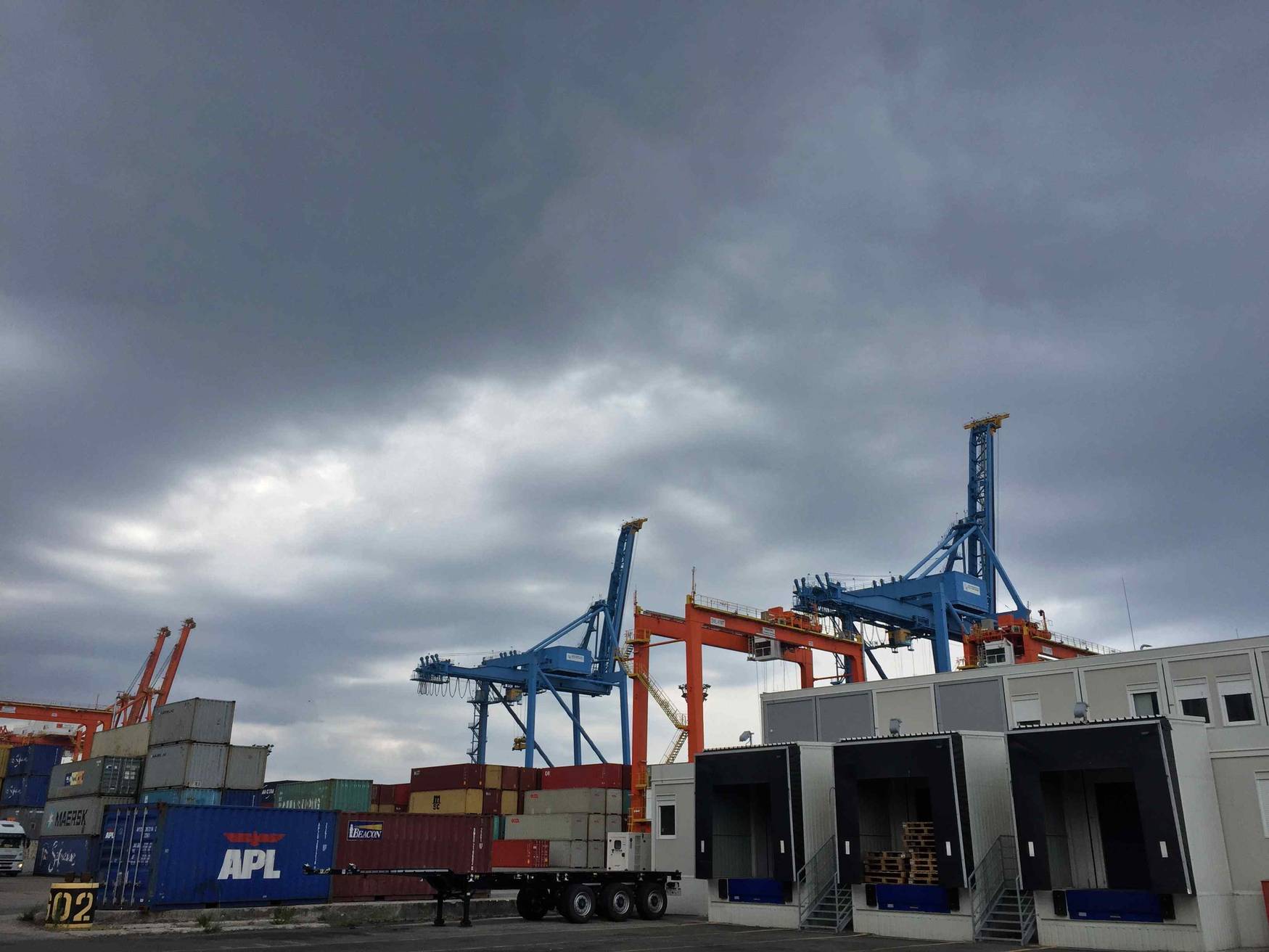
Port crane handling shipping containers Croatia / Ministry of Finance / Port Modernization Project (2001–2003)
Korea contributes to the development of bridges, roads, railway rolling stock and port facilities that enable people to travel and goods to be transported. The construction of an expressway linking the capital with a port city shows how better infrastructure can reduce travel times. A journey that once took around four hours on the existing national highway now takes about one hour on the expressway. Within a city, a bridge built across a stretch of coastal water has created a direct connection between business and residential districts.
Beyond roads and bridges, Korea has helped introduce high-speed trains for long-distance travel and cargo-handling equipment for ports. The crane pictured is used to transfer containers between ships and the shore. Roads and railways connect cities with production areas, while ports serve as gateways for exporting the goods produced there. Together, these transport networks make travel easier for residents and lay the groundwork for greater production and trade.
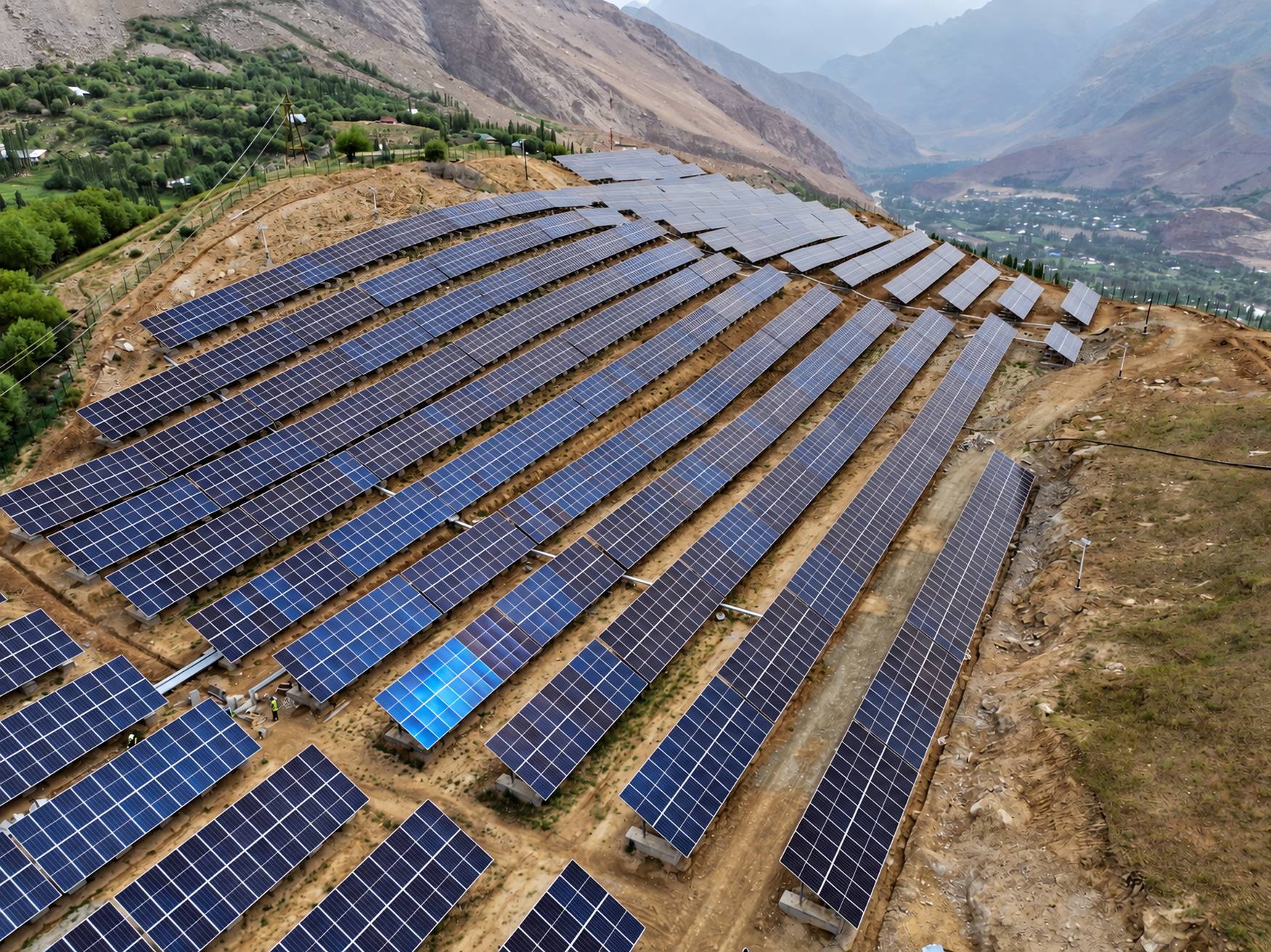
Solar power facility installed in a mountainous area Tajikistan / Ministry of Climate, Energy and Environment / Solar Power Generation and Energy Storage System (ESS) Development Project (2022–2026)
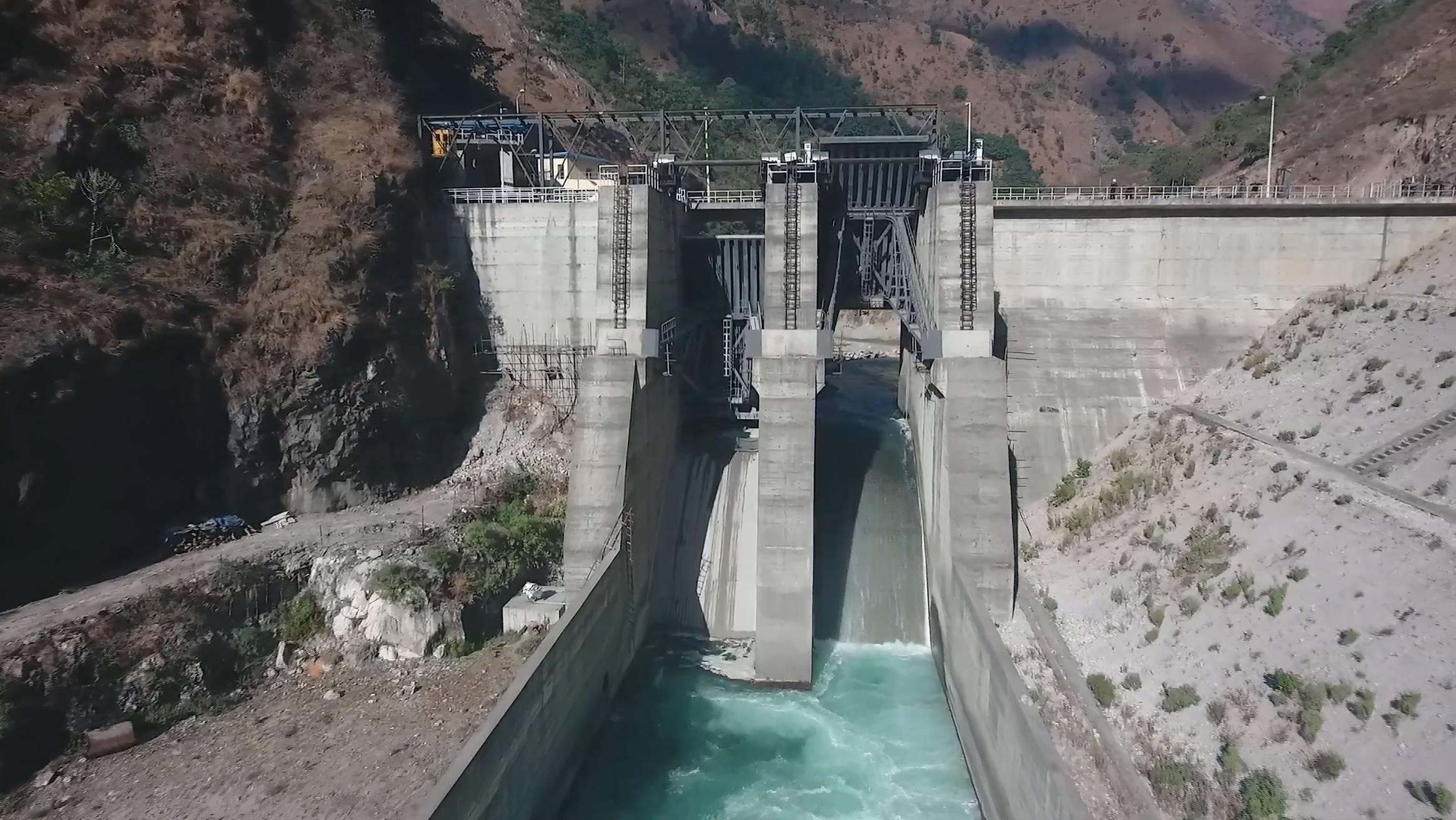
Hydropower dam commissioning and test operation site Nepal / Ministry of Finance / Hydropower Plant Construction Project (2009–2020)
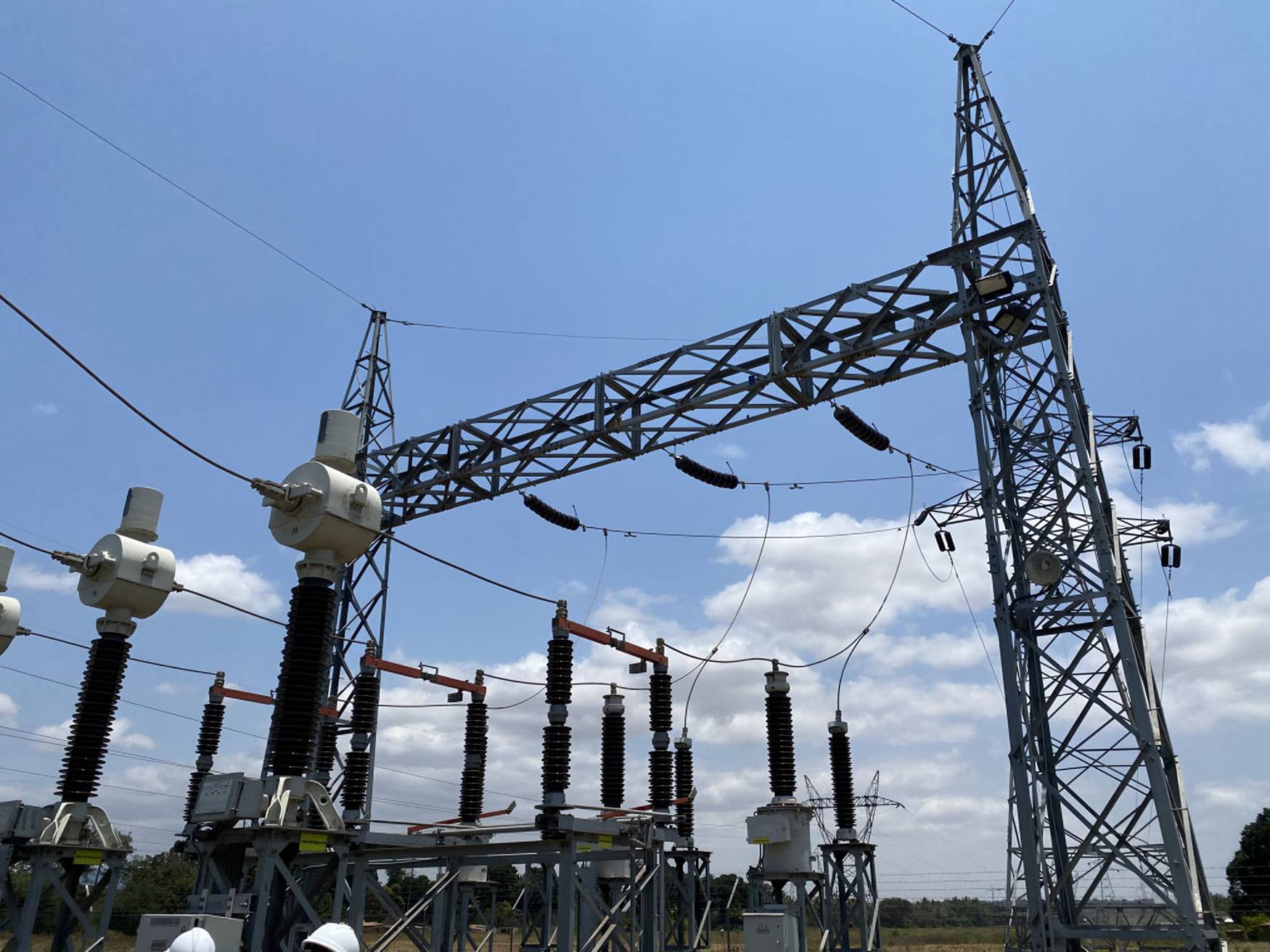
Substation connected to transmission lines and power distribution equipment Tanzania / Ministry of Finance / Power Transmission Network Expansion Project (2010–2017)
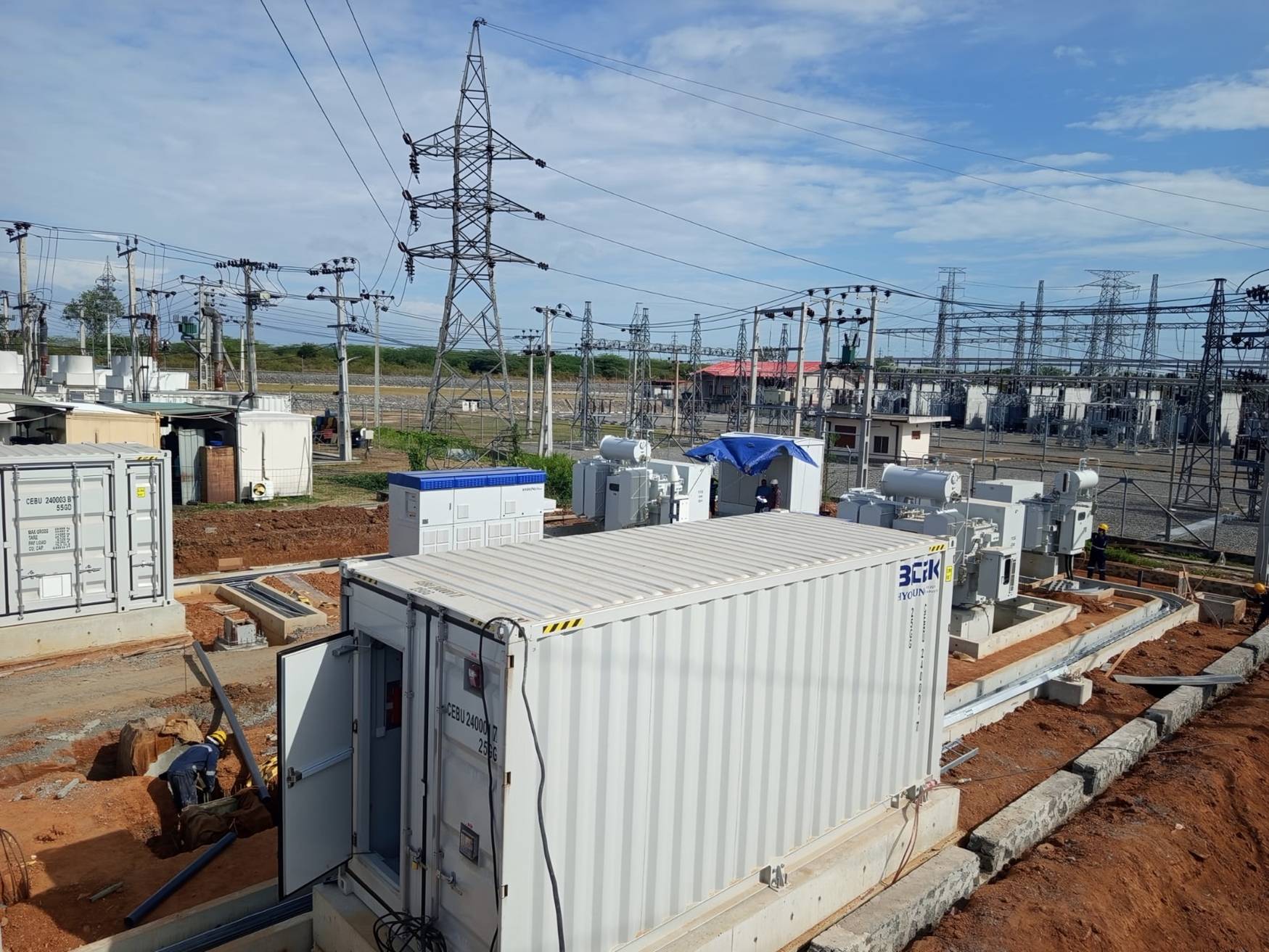
Energy storage system for managing peak electricity demand Sri Lanka / Ministry of Climate, Energy and Environment / Peak Demand Reduction Energy Storage System (ESS) Deployment Support Project (2022–2026)
Korea helps establish power generation facilities and expand electricity grids in areas facing power shortages in partner countries. Solar and hydropower facilities generate electricity from sunlight and flowing water, while new transmission lines and substations carry that electricity to where it is needed.
Energy storage systems ensure a more stable power supply when electricity generation fluctuates with the time of day or weather conditions, or when demand peaks. By integrating battery storage with solar power facilities, electricity generated during periods of low demand can be stored and used when demand is higher. Together, power generation facilities, transmission networks and energy storage systems expand access to electricity for homes and workplaces.
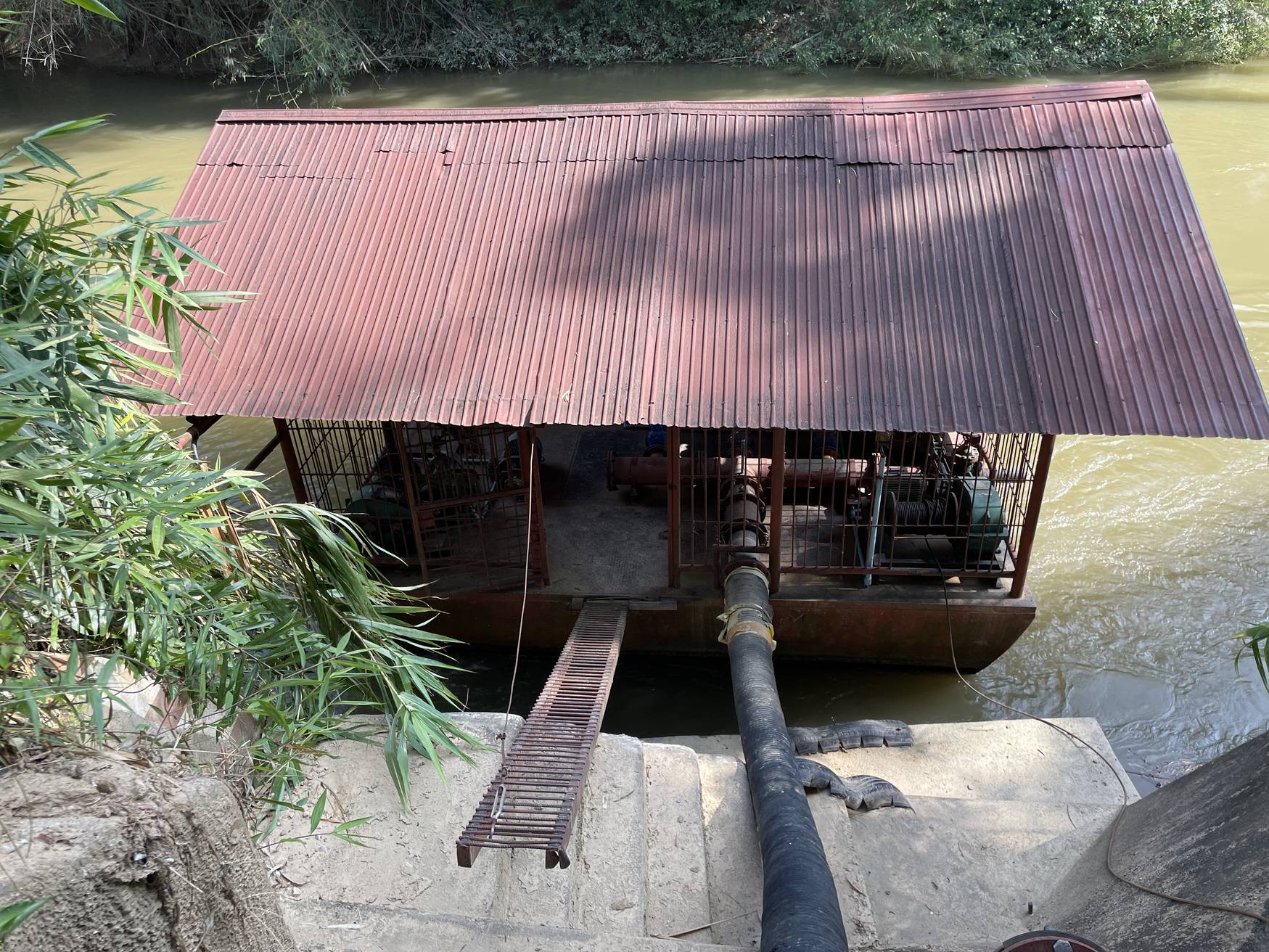
Aging water intake facilities and pipelines undergoing replacement and rehabilitation Laos / Korea International Cooperation Agency (KOICA) / Water Supply Expansion and Improvement Project (2025–2029)
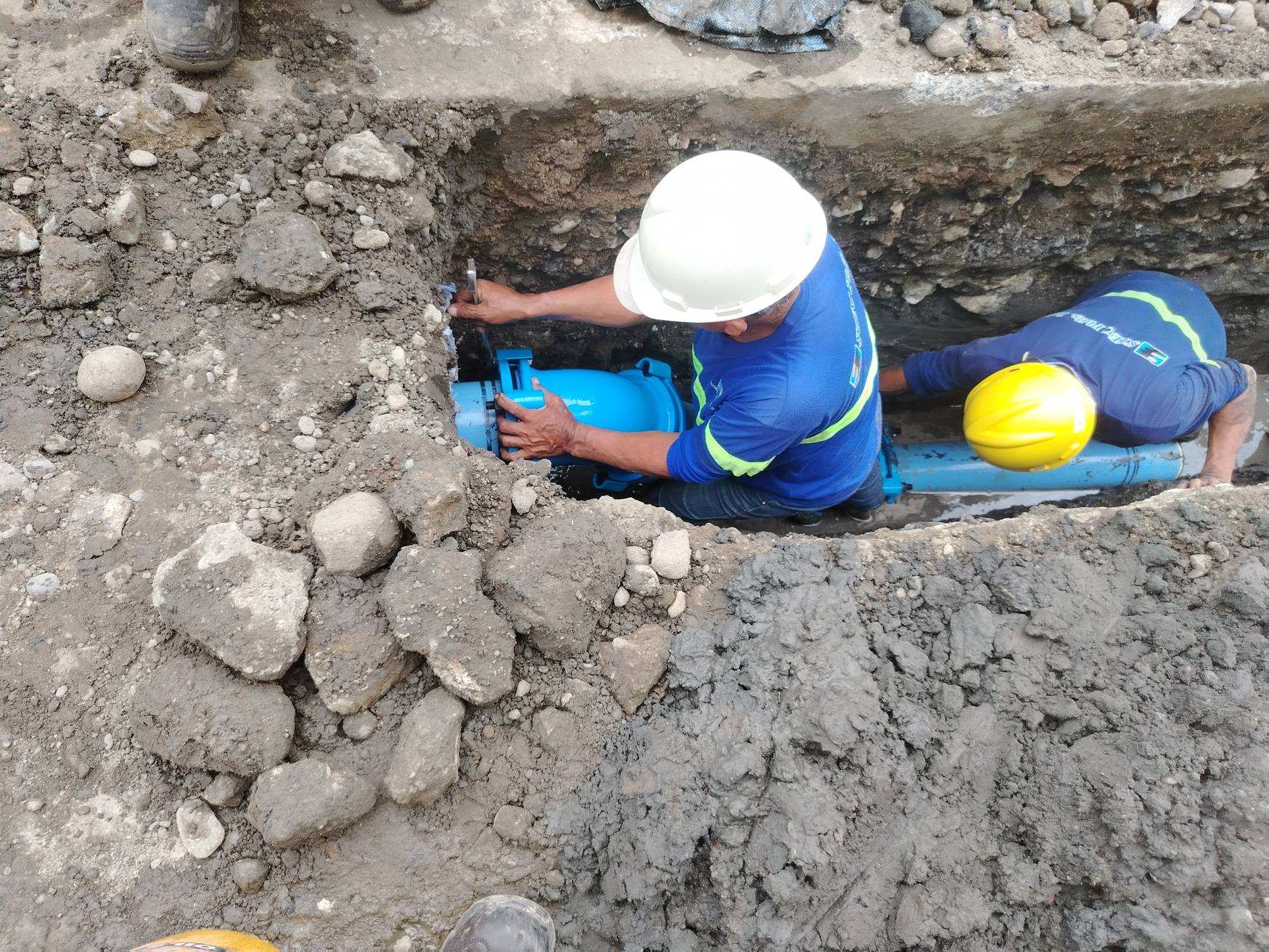
Pipeline connection work for the rehabilitation of aging water supply networks Philippines / Ministry of Climate, Energy and Environment / Smart Water Management Project (2022–2026)
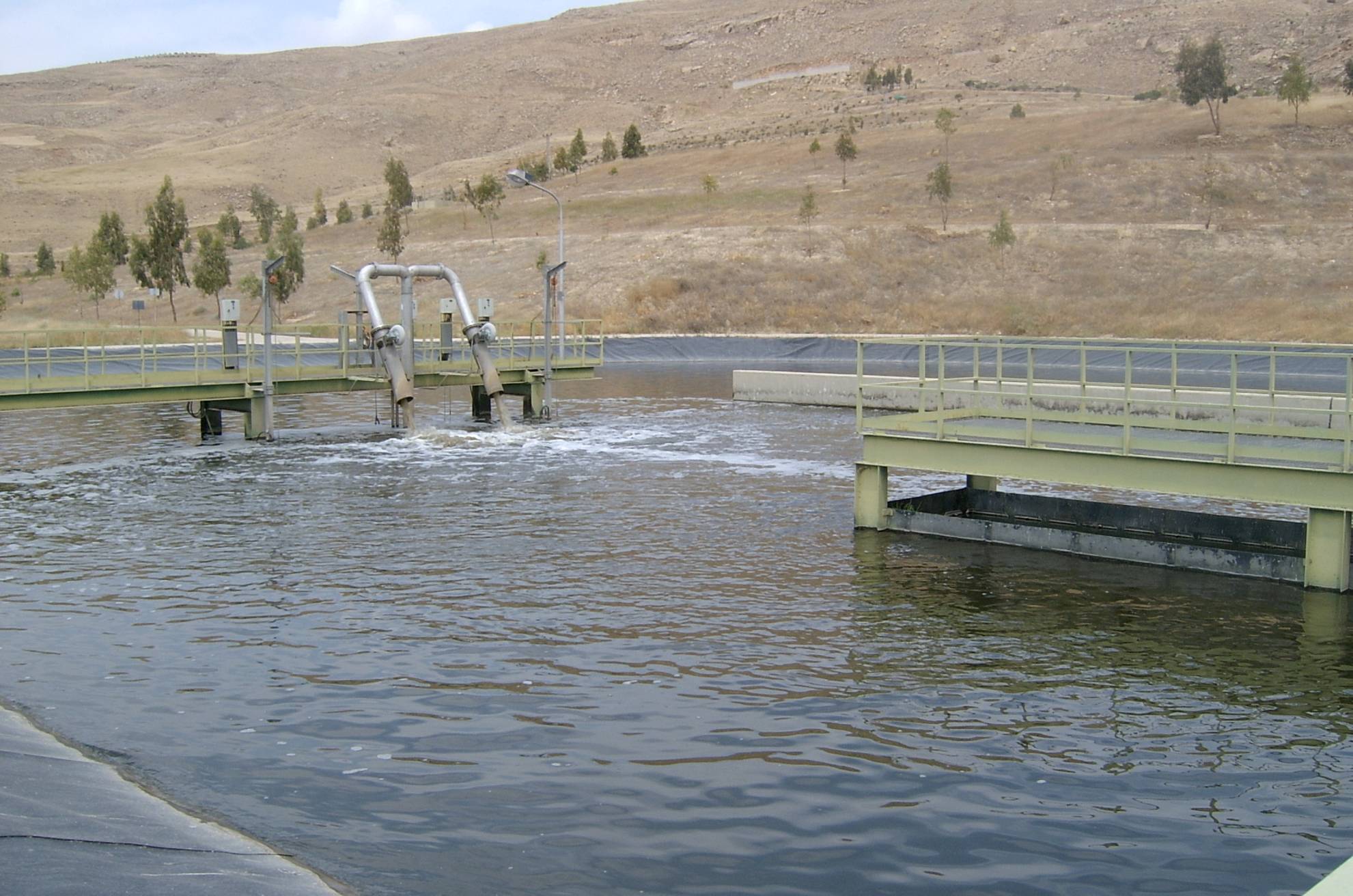
Wastewater treatment tanks and operational equipment Jordan / Ministry of Finance / Wastewater Treatment Facility Project (2006–2016)
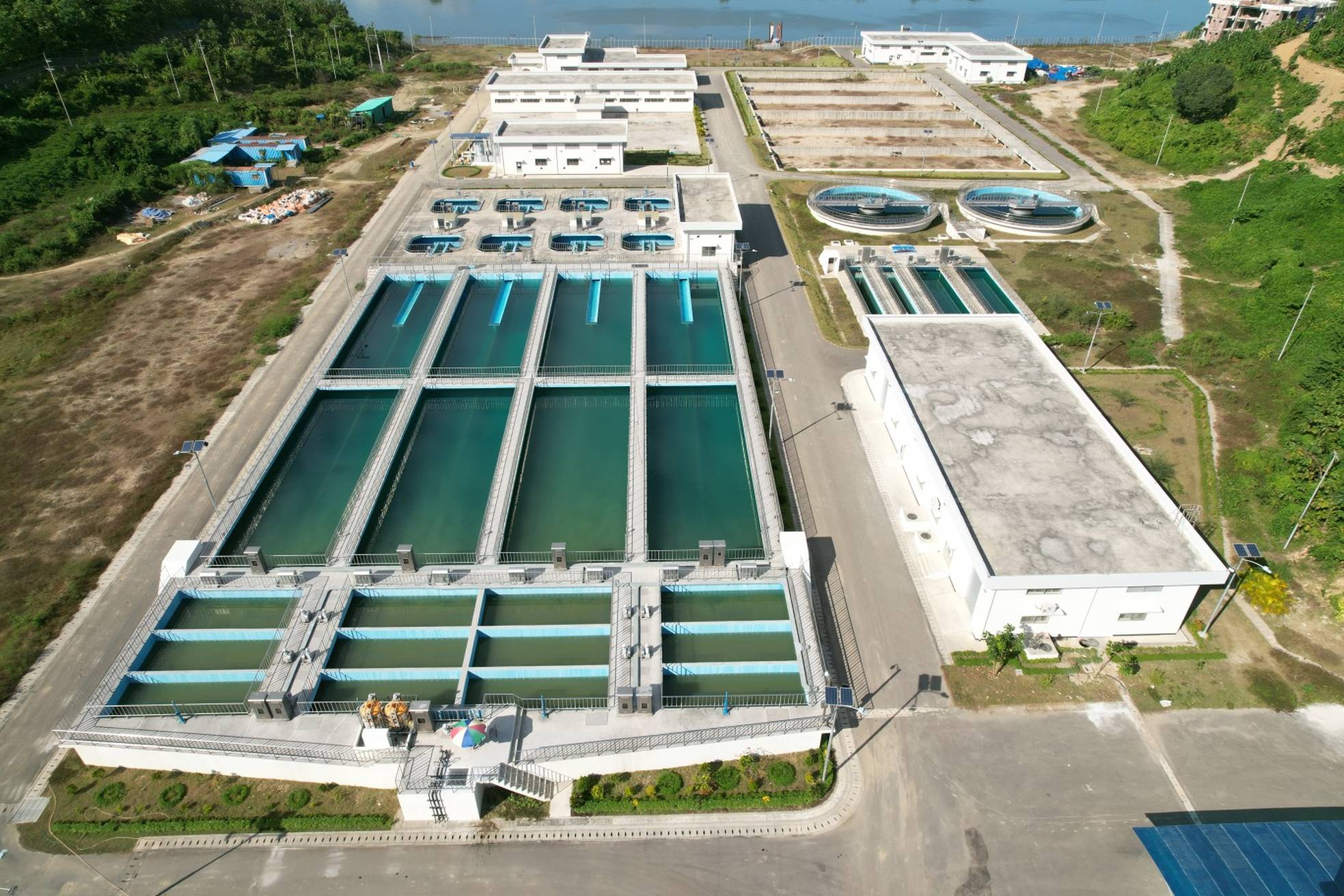
Overview of a water treatment plant for processing raw water Bangladesh / Ministry of Finance / Water Supply Development Project (2017–2024)
Many communities face water shortages due to aging and deteriorating water intake facilities. A local survey found that only about half of residents had access to piped water, while ageing water intake and treatment facilities and poorly maintained pipelines were causing leaks. Korea is expanding water intake and treatment facilities and upgrading ageing pipelines to ensure a more reliable supply of treated water to local communities. It is also sharing the technical expertise needed to operate and maintain these systems.
Effective water management also requires facilities to treat wastewater. To prevent untreated domestic wastewater from flowing directly into rivers, Korea is contributing to the construction of wastewater treatment facilities. The treatment facility in Jordan processes wastewater, while the water treatment plant in Bangladesh purifies water for distribution. By developing both water supply systems that collect, treat and distribute water and sewerage systems that collect and treat wastewater, these projects lay the groundwork for better living conditions and a healthier local water environment.
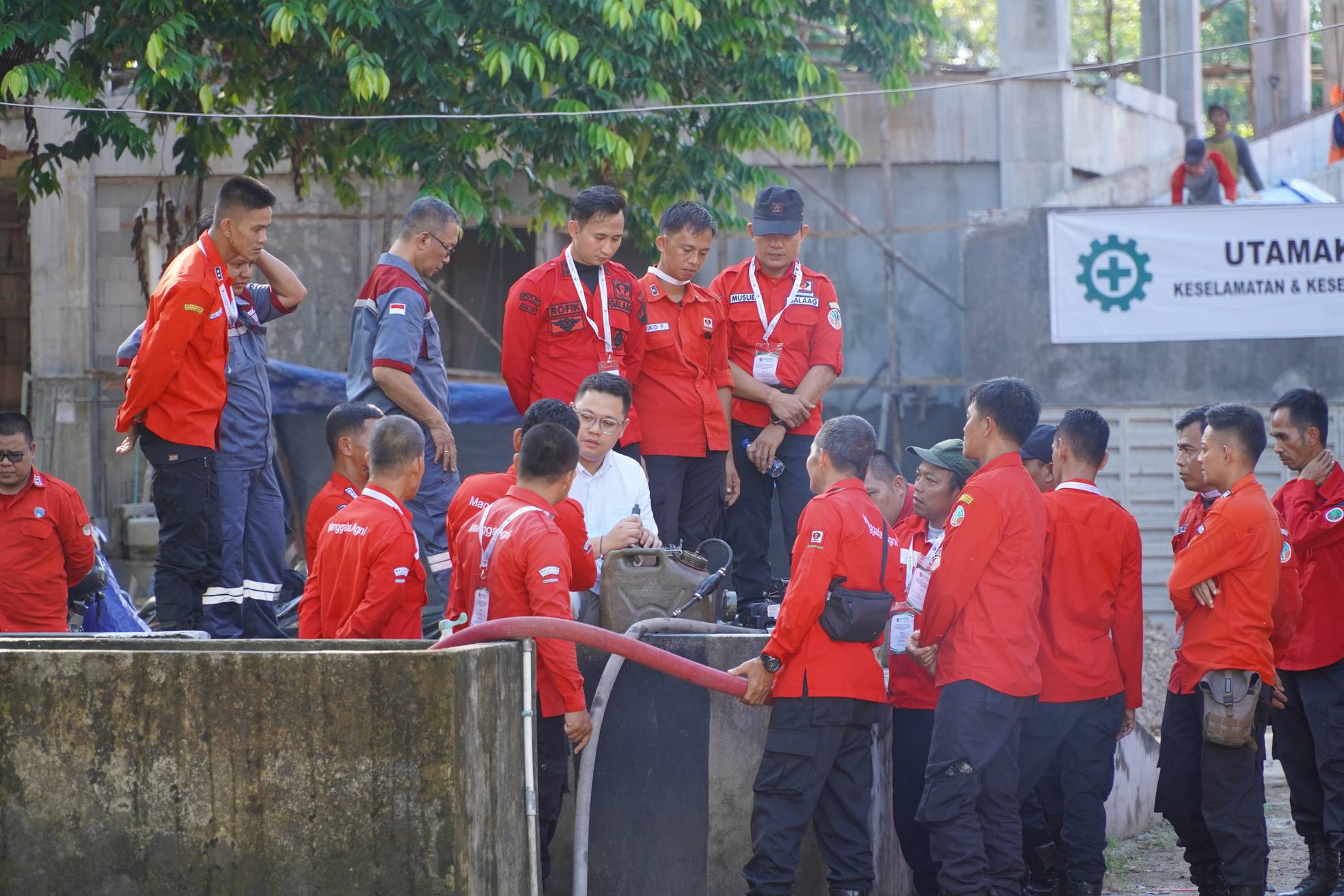
Wildfire response personnel receiving training in pump operation and maintenance Indonesia / Korea Forest Service / Wildfire Disaster Management Center Establishment Project (2022–2026)
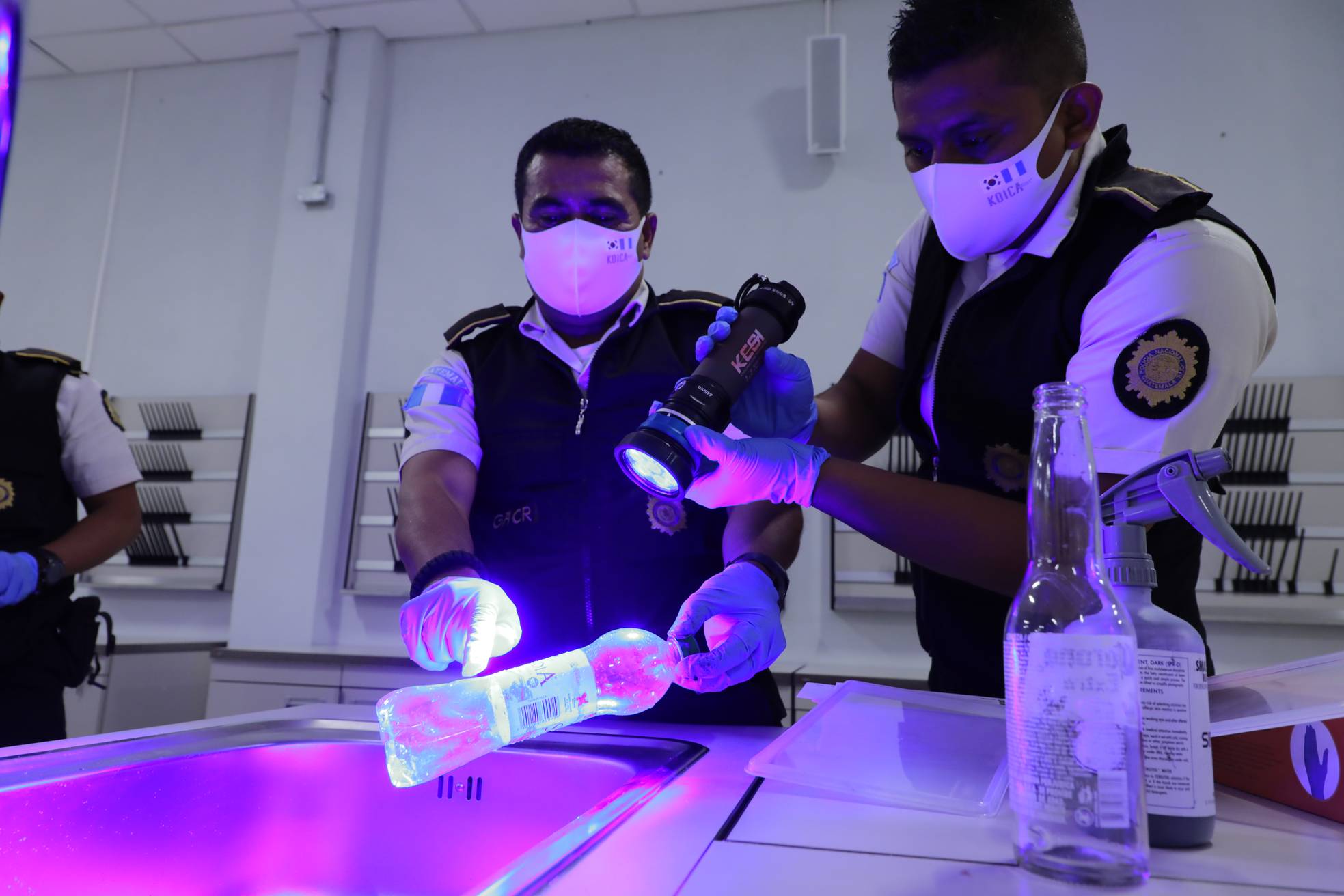
Training session on evidence examination using forensic equipment Guatemala / Korea International Cooperation Agency (KOICA) / Project to Improve the Police Training System for Strengthening Public Security (2014–2021)
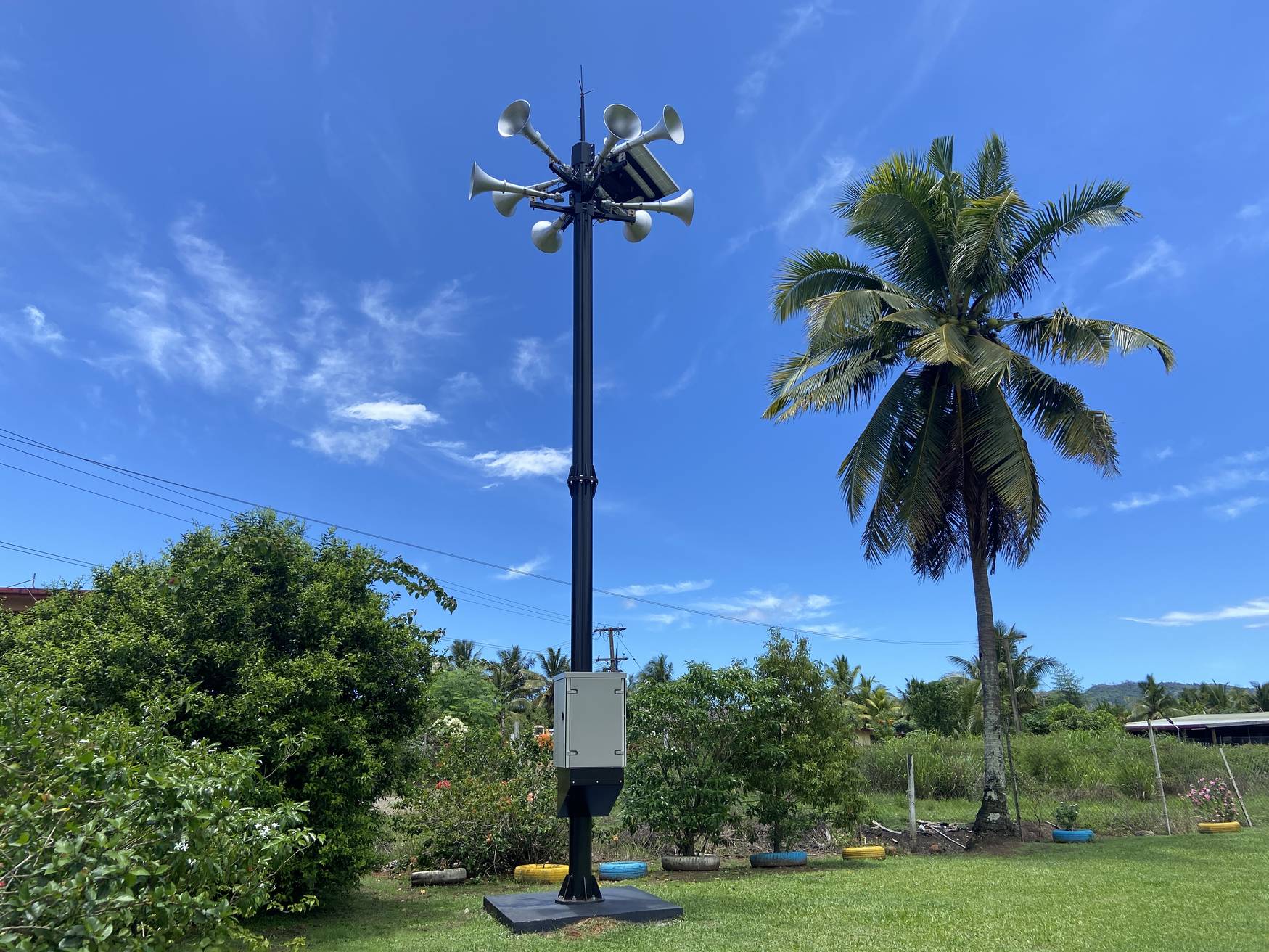
Flood warning system installed to alert local communities to flood risks Fiji / Ministry of the Interior and Safety / Establishment of a Flood Forecasting and Early Warning System for Disaster Risk Reduction (2023–2025)
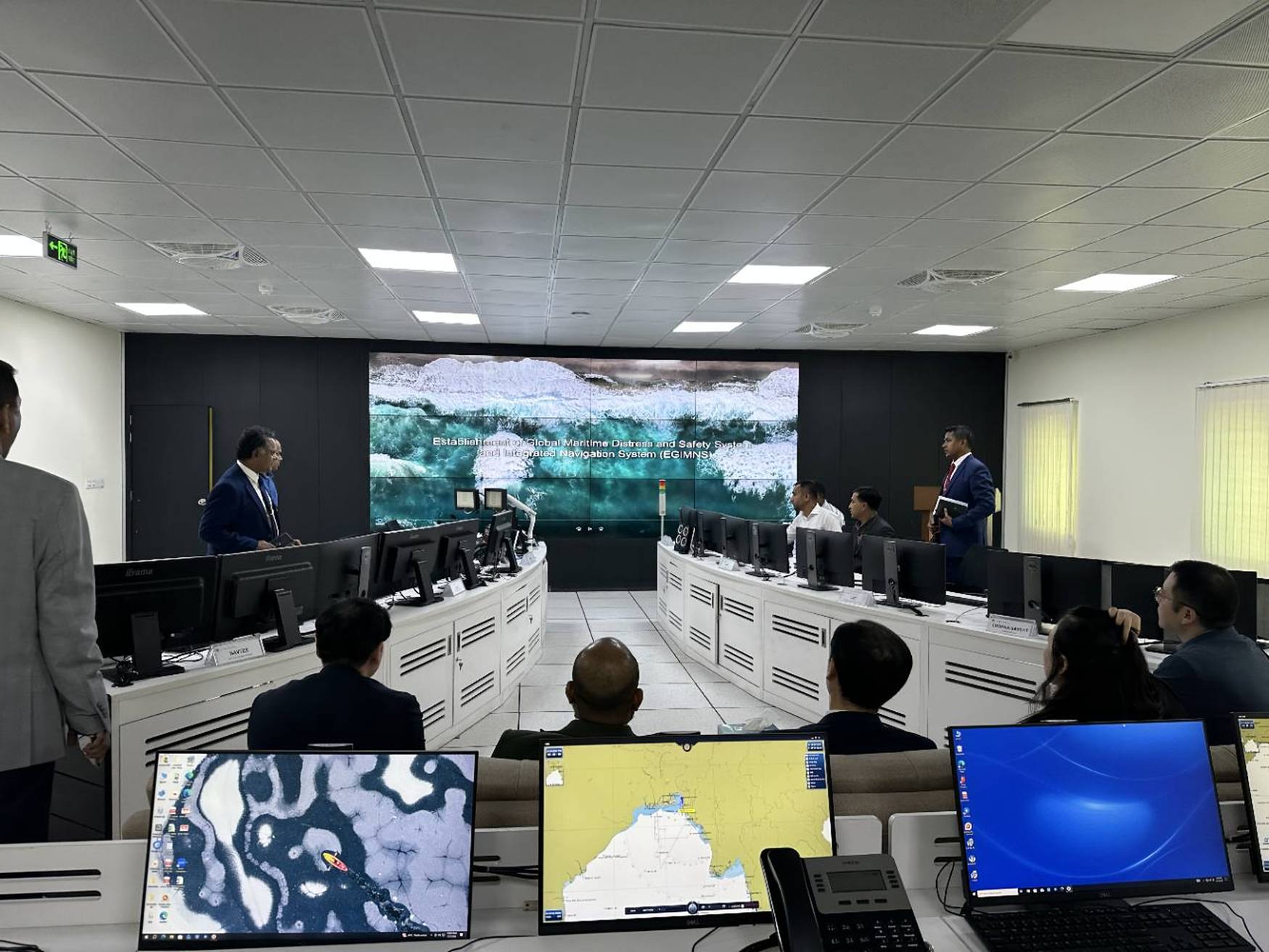
Control screens and operational equipment of the maritime safety navigation system Bangladesh / Ministry of Finance / Maritime Safety Navigation System Development Project (2014–2024)
Firefighters received training in pump operation and maintenance so they could use and maintain their equipment in the field. Korea has also offered equipment and training to improve criminal investigations and protect public safety. A forensic science training institute was established, with analytical equipment and training programmes to develop police officers’ ability to examine evidence and use their findings in investigations.
Korea is also working with partner countries to develop systems that detect risks early and alert communities. A flood early warning system was established to automatically monitor flood risks and issue evacuation alerts. The warning facility pictured is used to relay evacuation warnings to residents. At sea, Korea has contributed to the development of communication and navigation systems for safe vessel operations and emergency response.
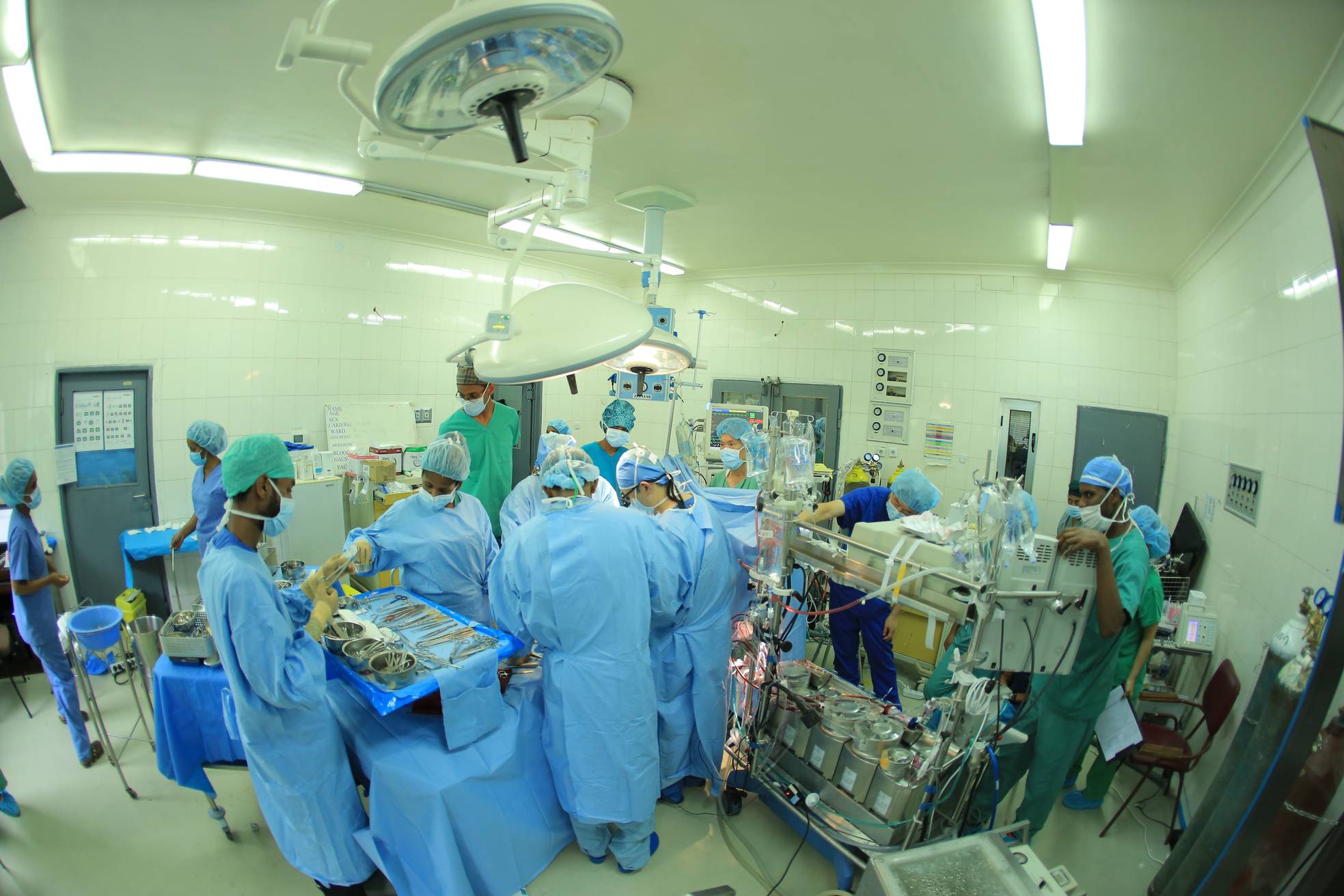
Cardiac surgery performed by Korean medical teams in collaboration with returning local trainees Ethiopia / Ministry of Health / Lee Jong-wook Fellowship Program (2007–Present)
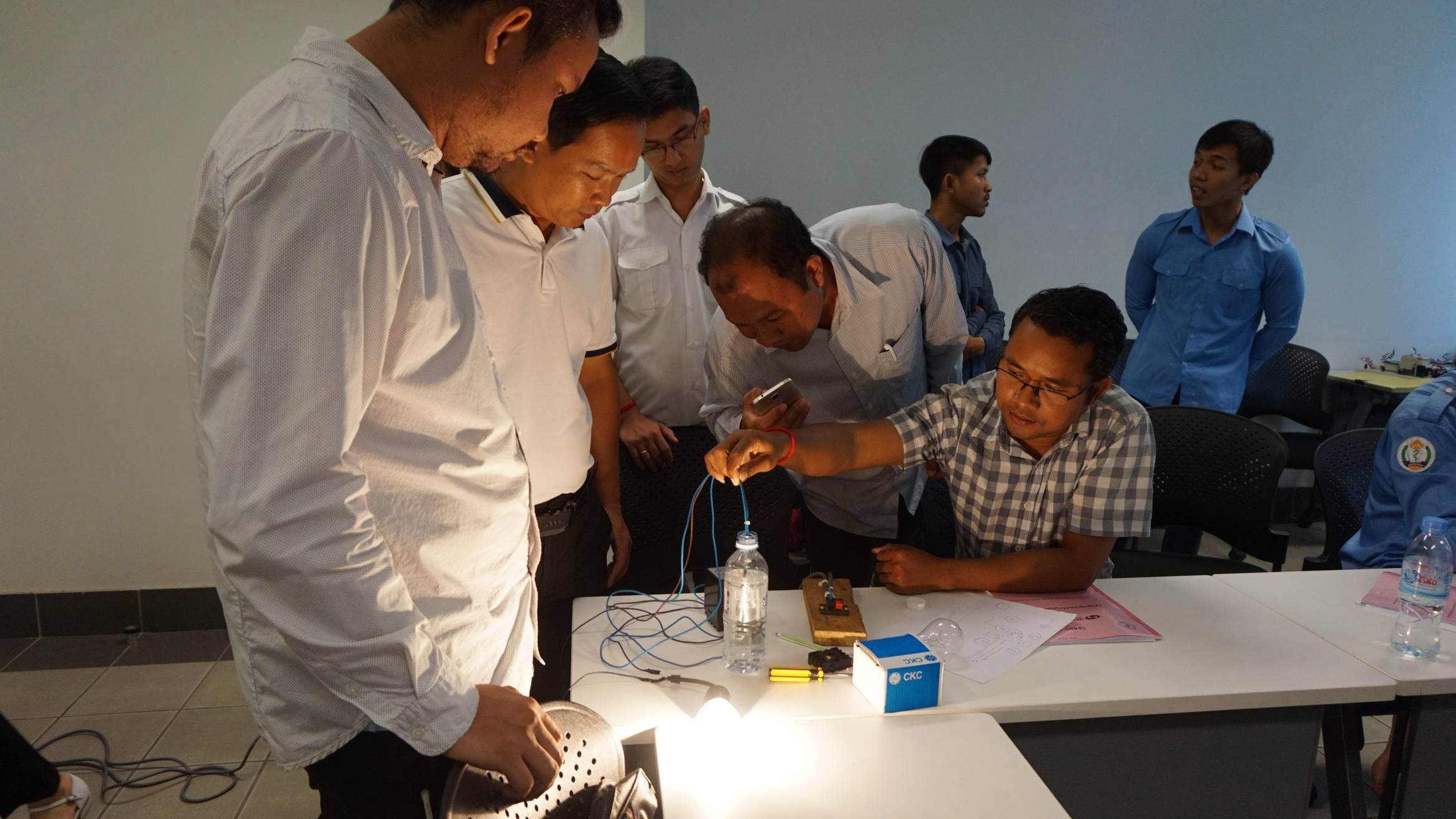
Returning trainees providing medical equipment repair training to local hospital staff Cambodia / Ministry of Health / Lee Jong-wook Fellowship Program (2007–Present)
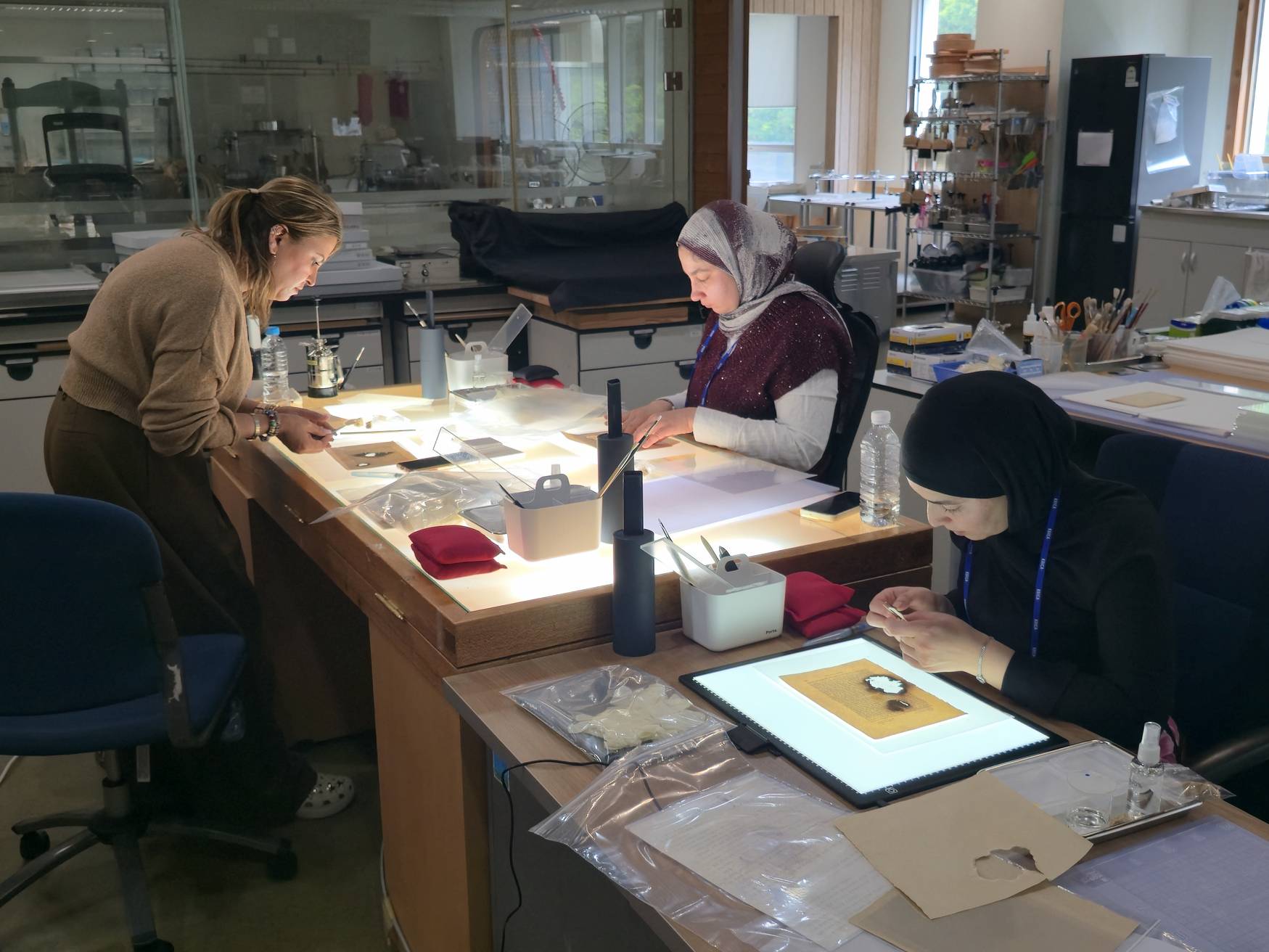
Trainees restoring fire-damaged paper records using traditional Korean hanji paper Morocco / Korea International Cooperation Agency (KOICA) / Capacity-Building Project for Records Preservation and Restoration (2024–2026)
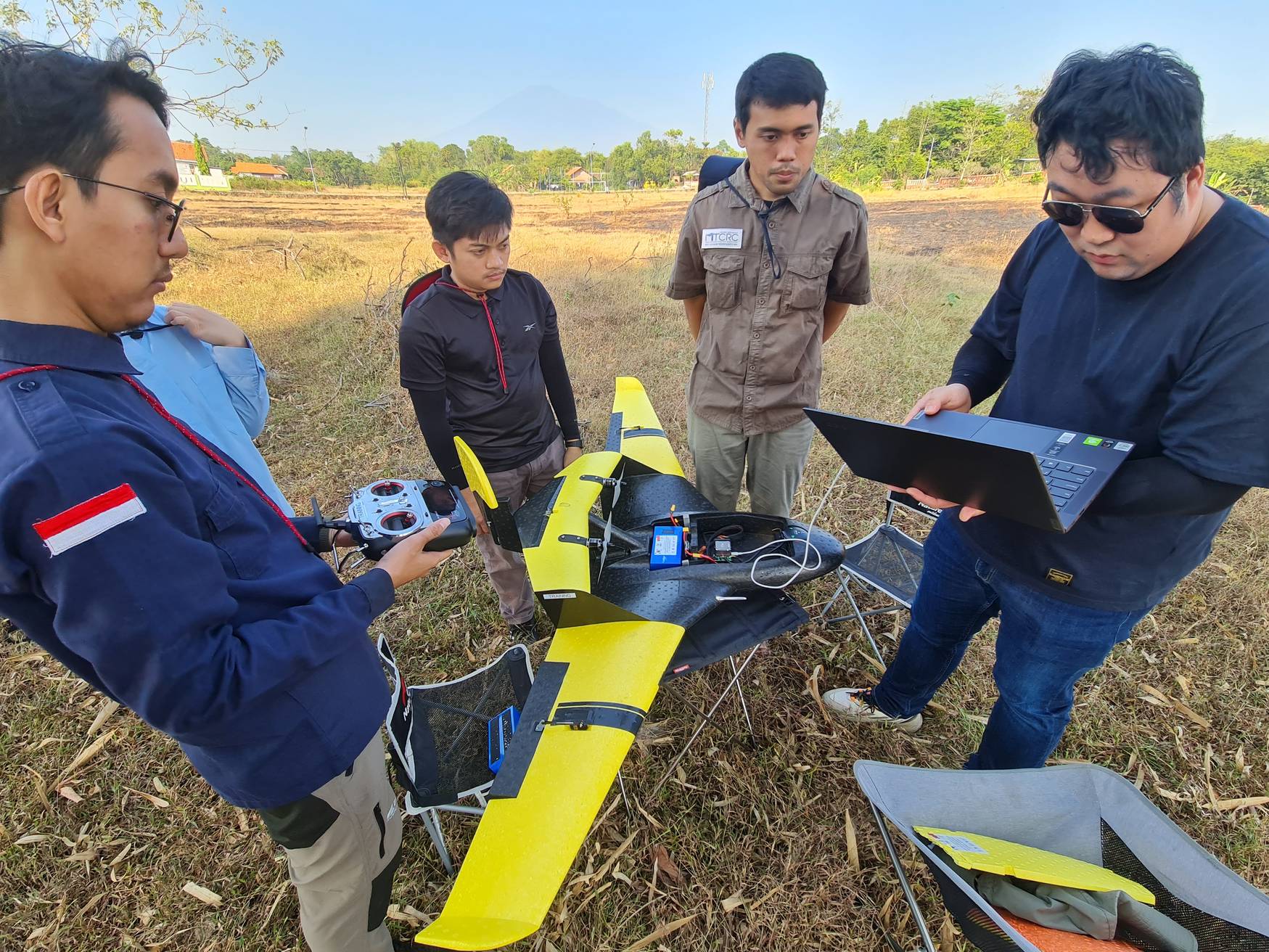
Training session on drone operation and data processing for marine surveys Indonesia / Ministry of Oceans and Fisheries / Marine and Coastal Baseline Survey and Capacity-Building Project (2019–2022)
Korea continues to work with healthcare professionals after they return home from training in Korea, enabling them to apply their newly acquired skills in local hospitals. The joint heart surgery pictured shows a Korean supervising professor working alongside a former trainee at a local hospital, putting the skills learned in Korea into practice. These skills are then passed on to other local professionals. Medical equipment technicians trained in Korea have returned home and taught hospital staff how to repair and maintain medical devices.
The exchange of knowledge and expertise extends beyond healthcare. In records conservation and restoration training, participants learn how to restore fire-damaged paper records using traditional Korean paper, known as hanji, developing the specialist skills needed to preserve important documents. Korea has also supplied marine survey equipment and conducted training in drone operation and data processing, enabling local personnel to survey coastal terrain and environmental conditions. In this way, skills gained through training and practical experience are put to use in patient care, equipment maintenance, records restoration and field surveys.
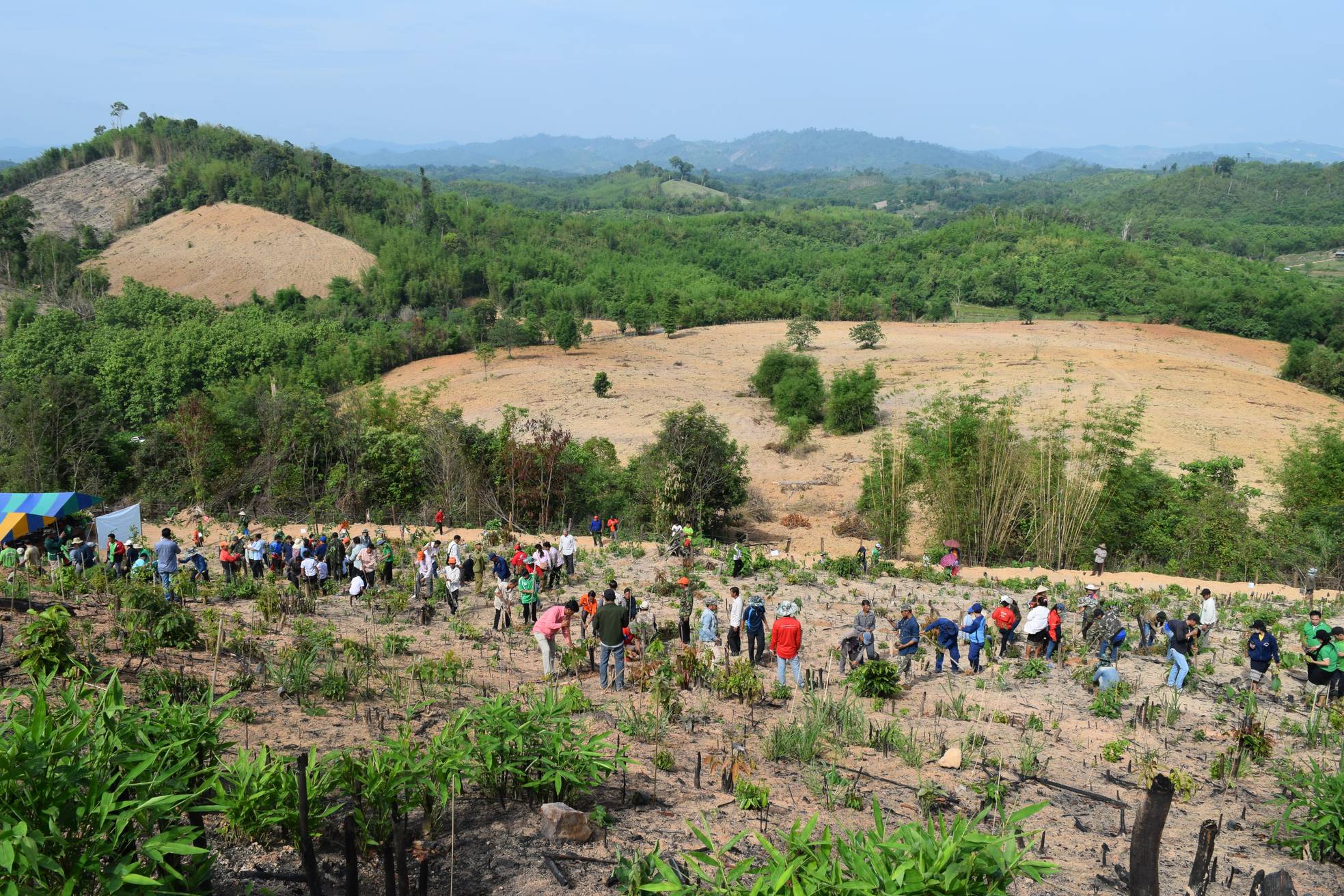
Community-led restoration of degraded forest areas Laos / Korea Forest Service / Asia Forest Cooperation Organization (AFoCO) Cooperation Project (2010–Present)
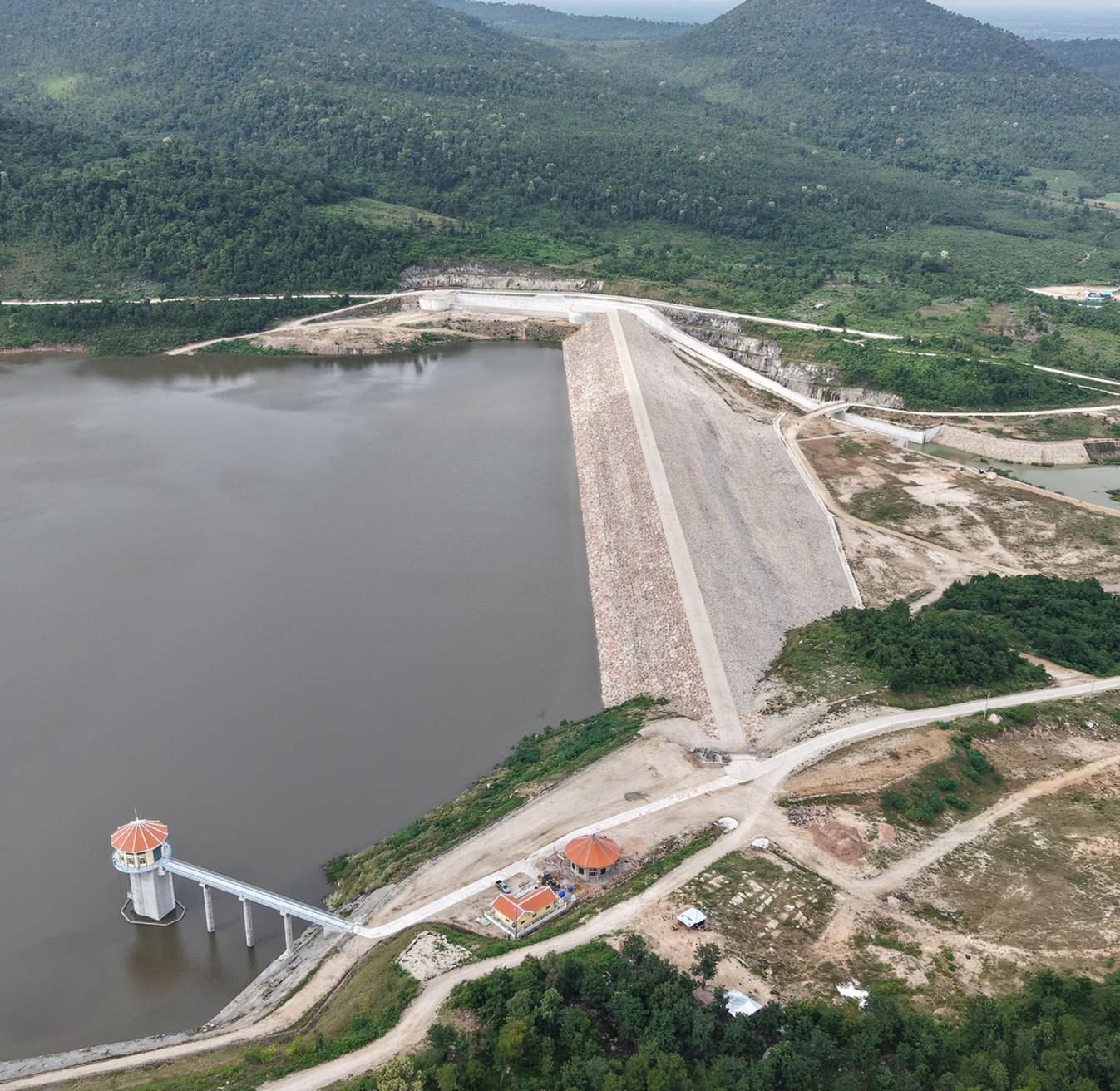
Downstream dam embankment, reservoir, and water intake tower Cambodia / Ministry of Economy and Finance / Cambodia Downstream Dam Development Project (2016–2026)
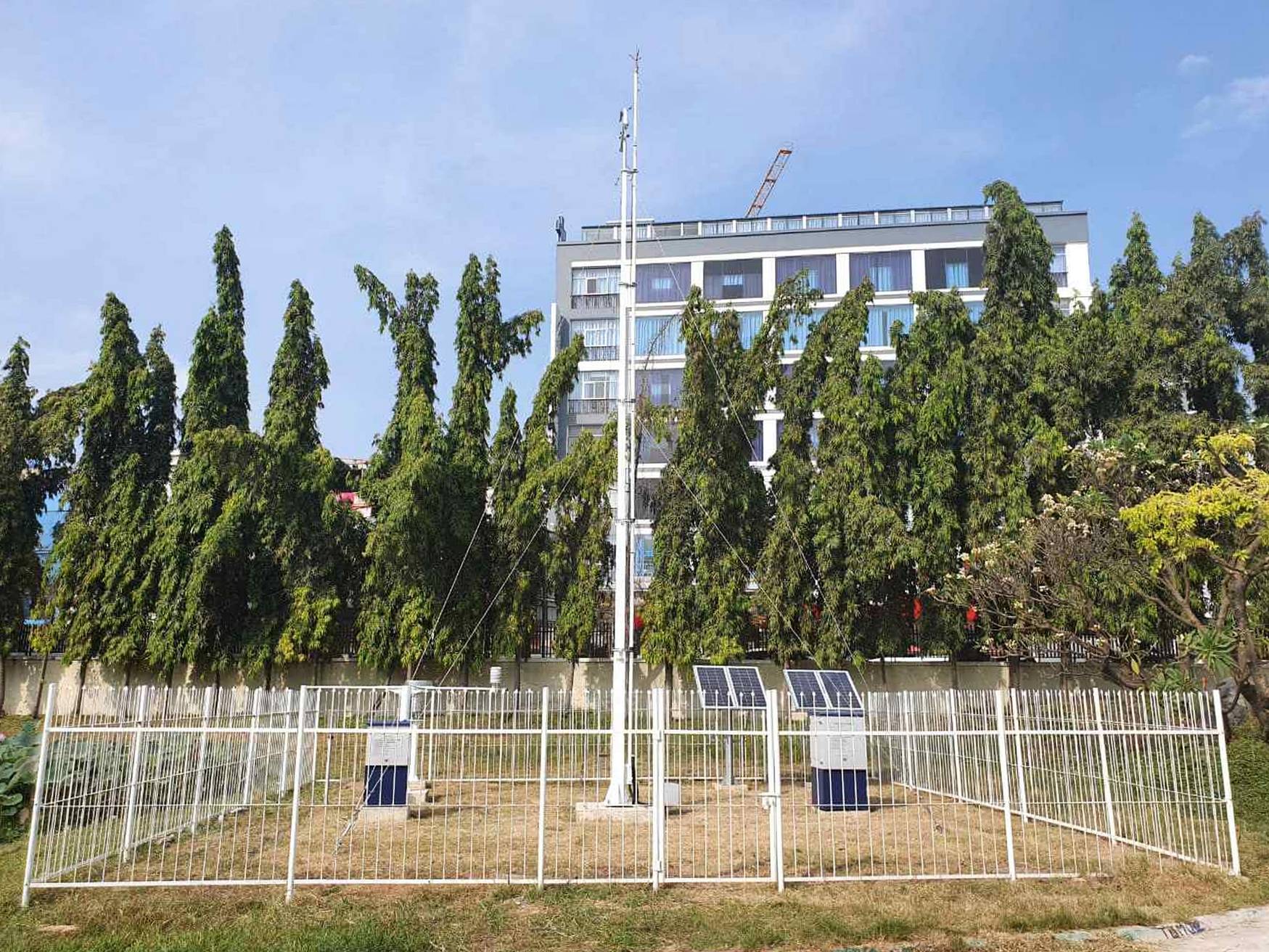
Cambodia's automatic weather station collecting meteorological data Cambodia / Korea Meteorological Administration / Establishment of an Automatic Weather Observation System in Cambodia (2019–2022)
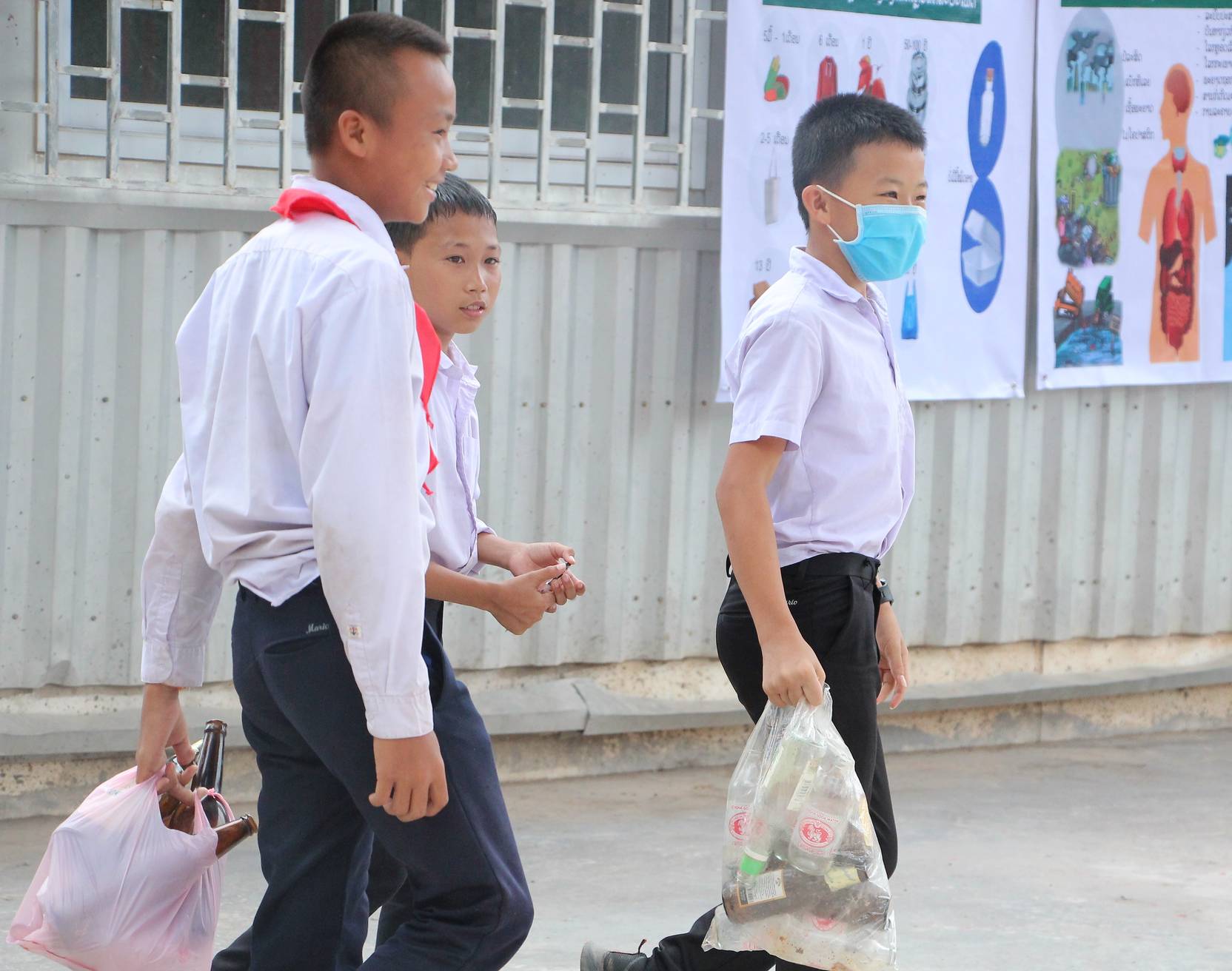
Students bringing bags of recyclables to participate in school waste bank activities Laos / Korea International Cooperation Agency (KOICA) / Capacity-Building Project for Wastewater and Solid Waste Management to Improve the Urban Environment in Laos (2019–2024)
Korea works with local communities to ensure that restored forests continue to be managed by local residents. In Laos, residents formed forest management groups and took part in raising and planting seedlings. They also established a community fund to maintain the forests after the project ended.
Korea is also helping communities prepare for climate-related disasters by developing infrastructure and sharing technical expertise. In Cambodia, Korea contributed to the construction of the Dauntri Dam to secure water for agriculture and reduce flood damage. In a separate project, Korea also installed automatic weather observation equipment and systems for receiving and analysing observation data.
Environmental conservation also depends on systems for collecting and recycling waste. Working with international organisations, Korea established school waste banks where students bring recyclable materials for collection. Schools then sell these materials to recycling companies and use the proceeds to improve school facilities and fund student activities.
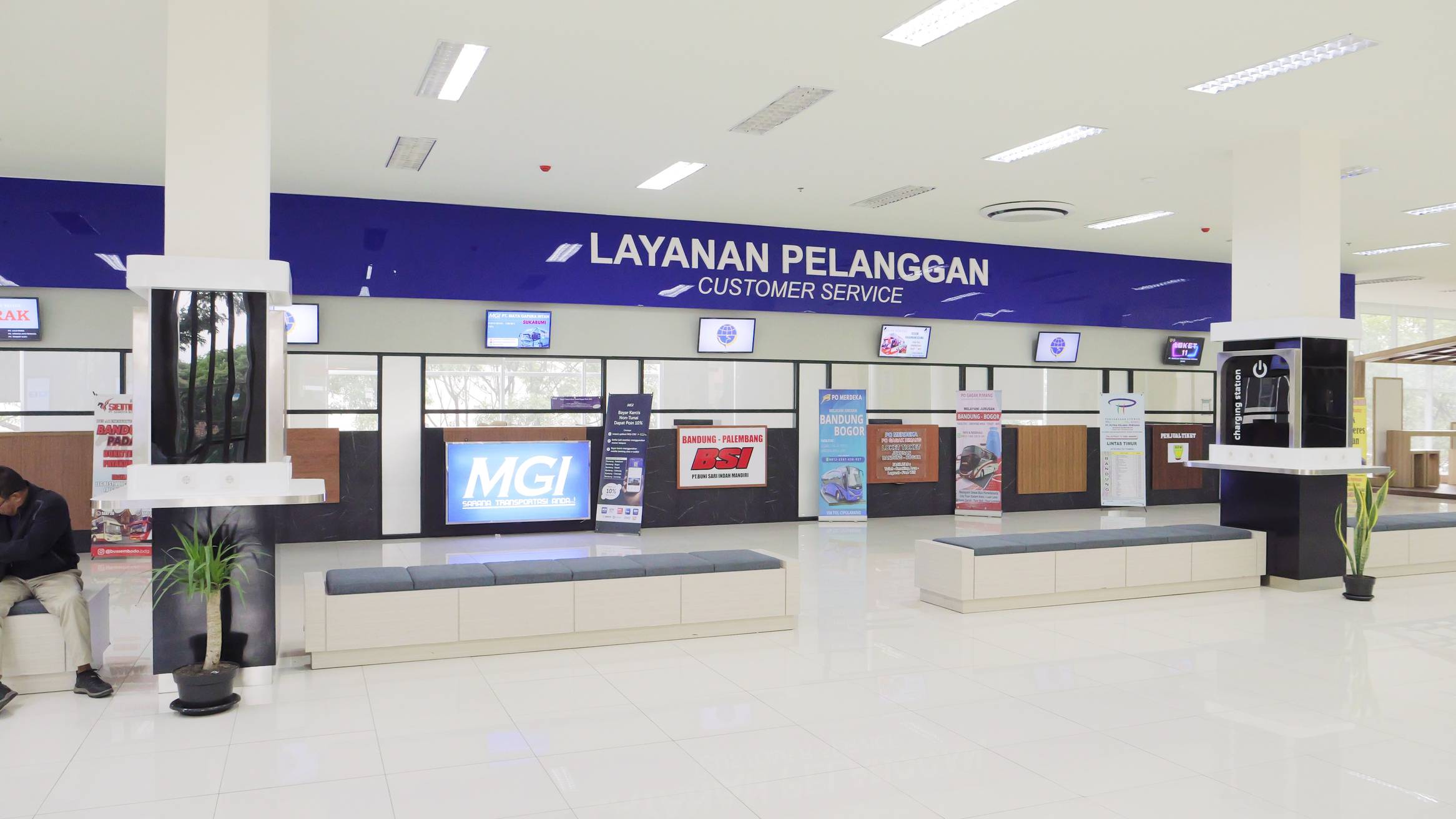
Improved bus terminal service counters and information displays under the modernization pilot project Indonesia / Ministry of Land, Infrastructure and Transport / Master Plan Development and Pilot Project for Bus Terminal Modernization (2020–2022)
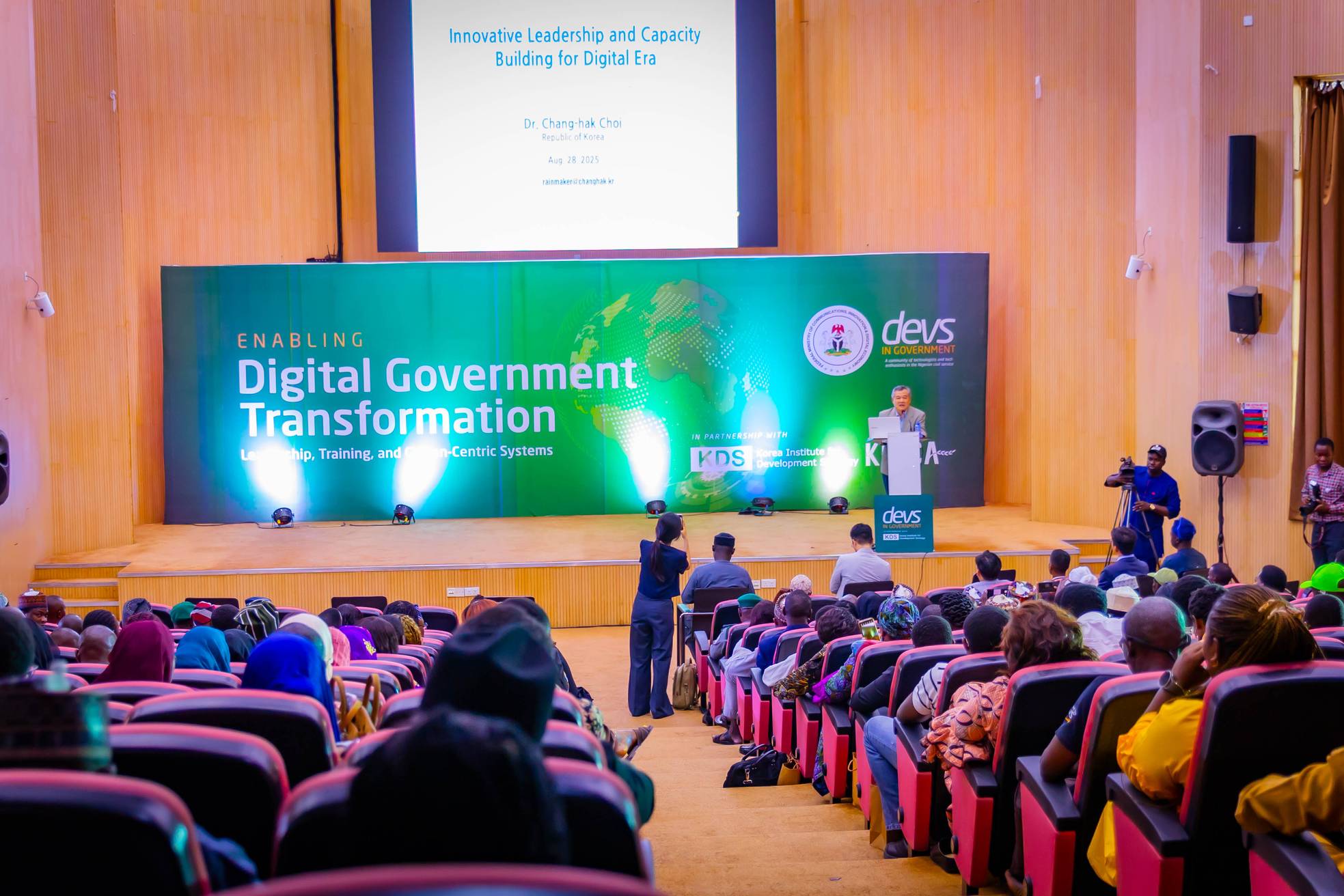
Government officials participating in a capacity-building course on digital government transformation Nigeria / Korea International Cooperation Agency (KOICA) / Project to Establish an Enabling Environment for Digital Governance (2020–2026)
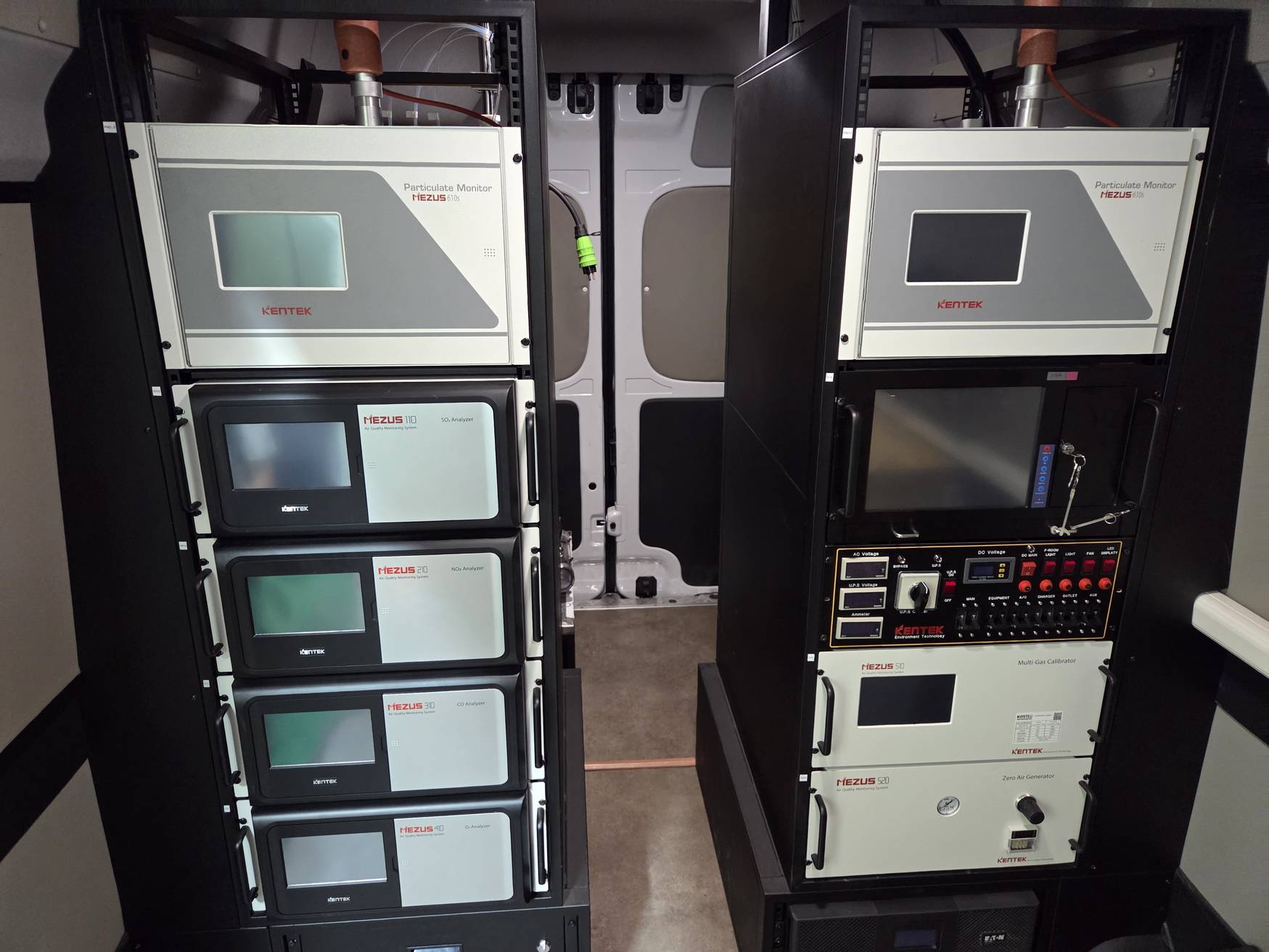
Air quality monitoring and analysis equipment installed inside a vehicle Mongolia / Ministry of Climate, Energy and Environment / Establishment of an ICT-Based Integrated Air Quality Management System (2023–2026)
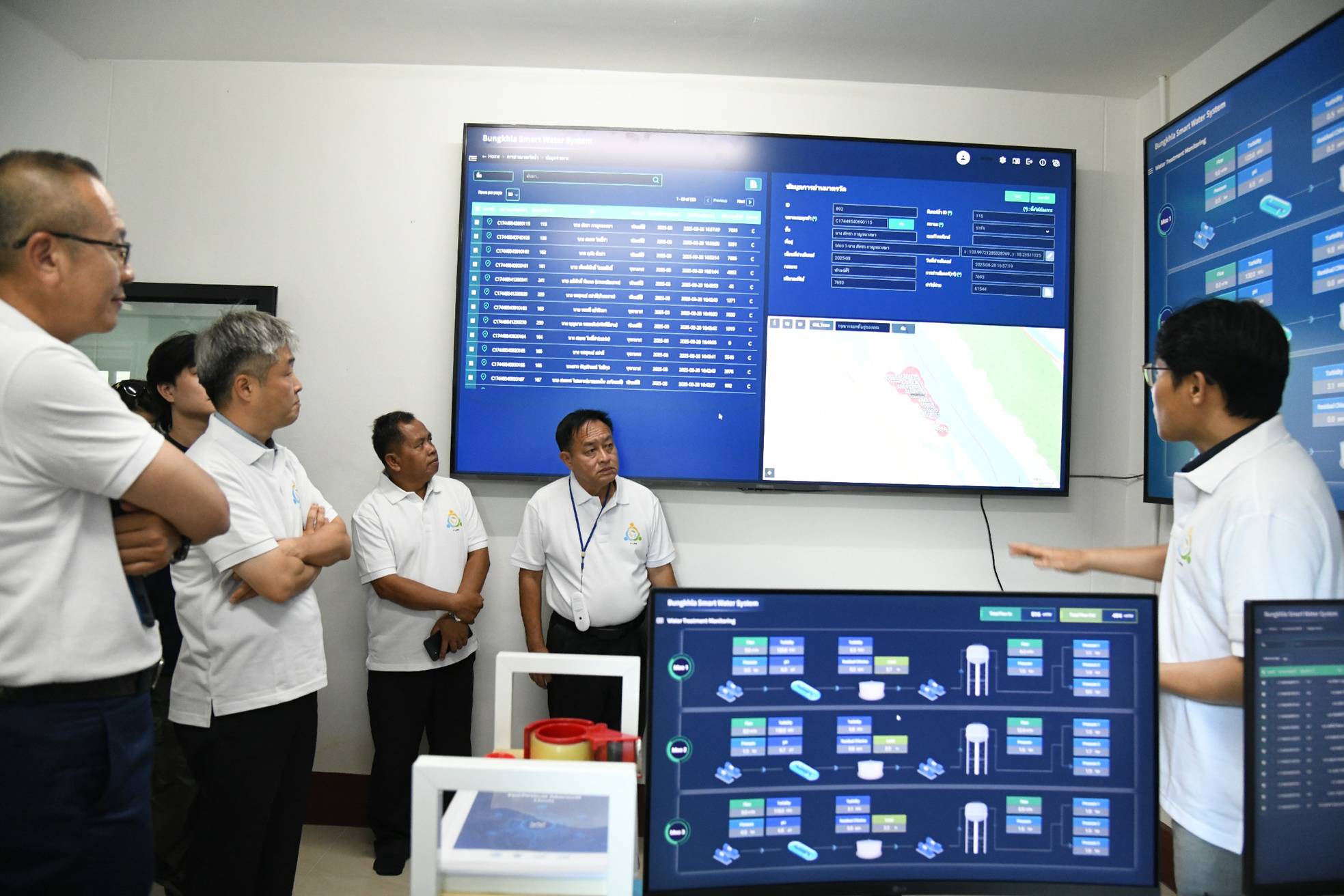
Demonstration of the smart water management system established locally Thailand / Ministry of Science and ICT / Technology Cooperation Project for Sustainable Development in the Mekong River Basin (2021–2025)
From improving services at bus terminals to connecting government information systems, Korea works with partner countries to advance digital transformation in ways that fit local practices and institutions. Drawing on Korea’s experience in applying digital technology to public services, these projects involve developing systems, planning their operation and training local staff.
In environmental management, Korea has drawn on its air quality monitoring and public information systems to establish monitoring networks and integrated management systems tailored to local needs, giving policymakers and residents access to air quality information. In water management, Korea has adapted its leak detection and remote monitoring technologies to local requirements and shared its operational experience. By bringing together Korean expertise with the knowledge and active participation of local institutions, these initiatives are building digital systems that communities can use and manage locally.
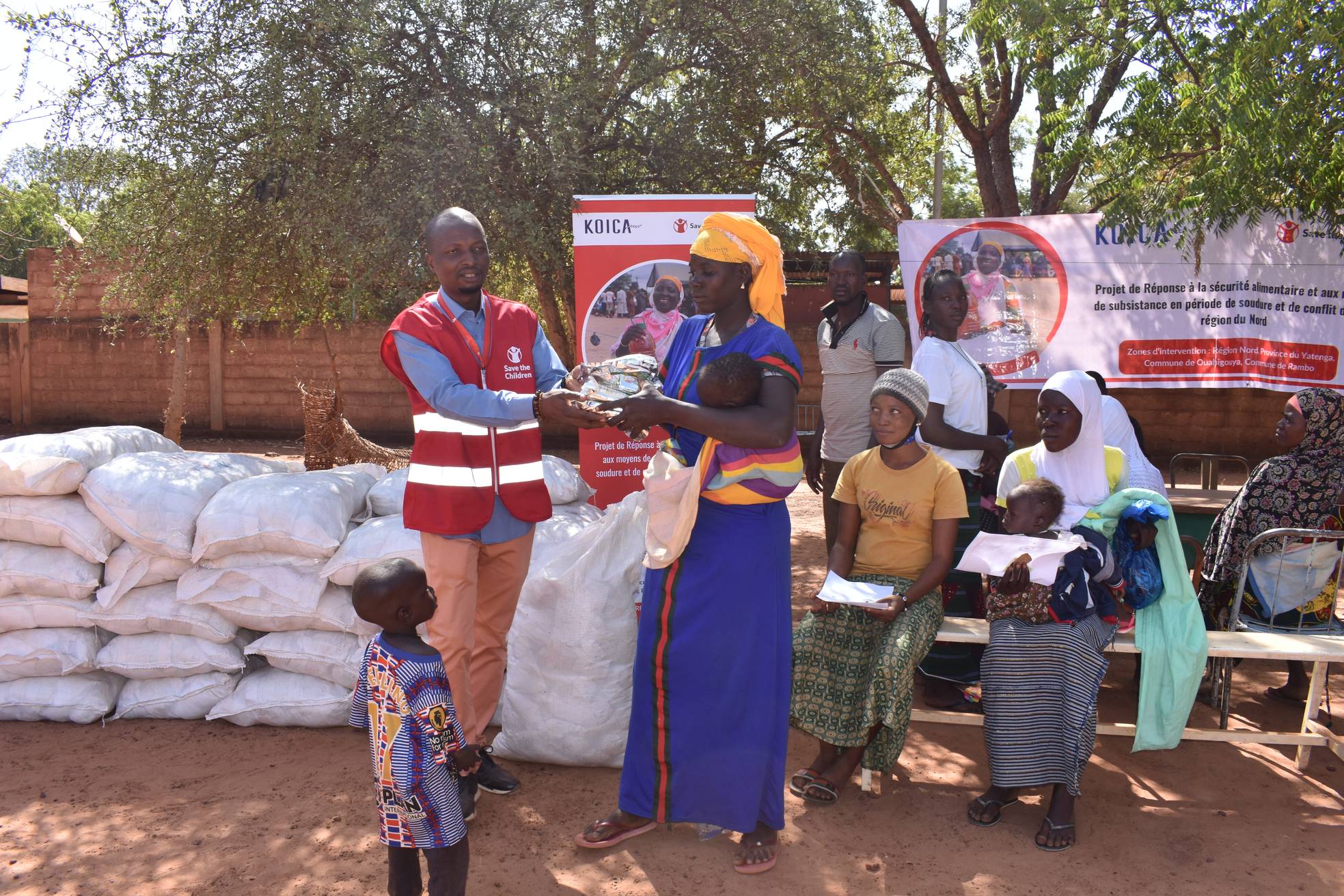
Nutritional supplements distributed to communities facing food insecurity due to conflict Burkina Faso / Korea International Cooperation Agency (KOICA) / Project to Address Lean-Season Food Insecurity Caused by Conflict (August–December 2024)
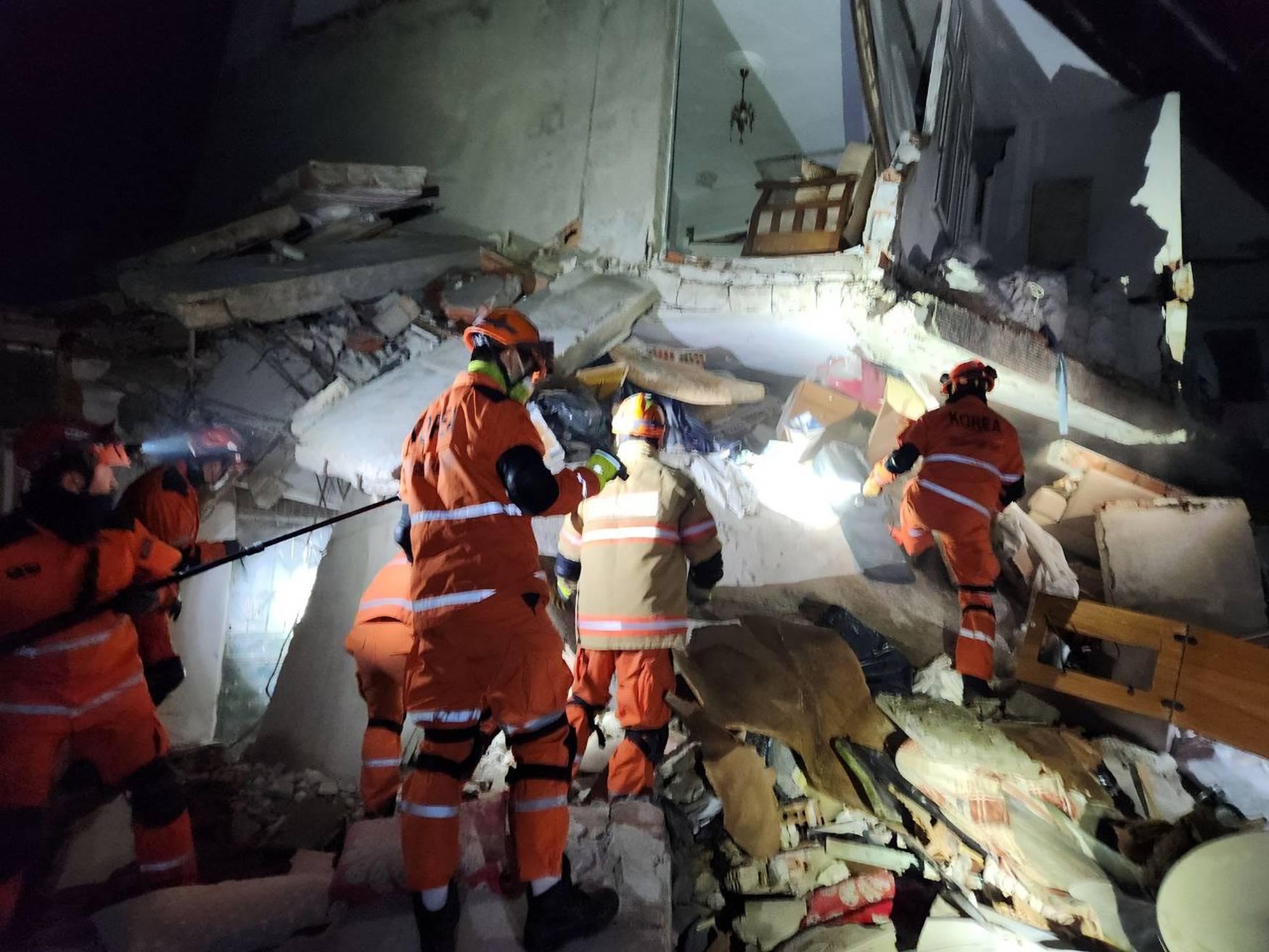
Korean emergency response team conducting search and rescue operations in earthquake-damaged buildings Türkiye / Ministry of Foreign Affairs / Deployment of the Emergency Relief Team in Response to the Earthquake (February 2023)
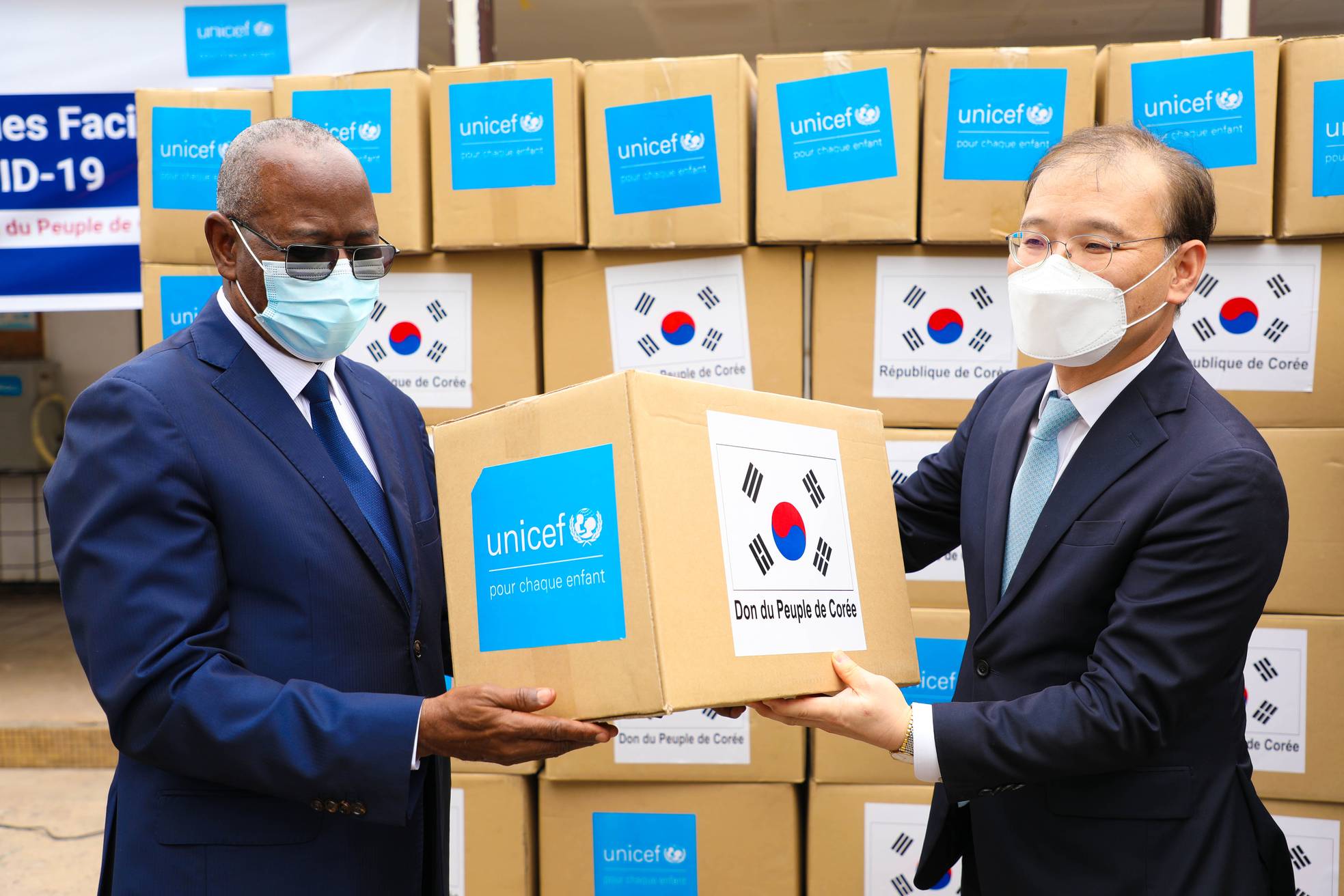
Handover of COVID-19 response masks to local health authorities Republic of the Congo / Ministry of Foreign Affairs / COVID-19 Response Mask Assistance (2021)
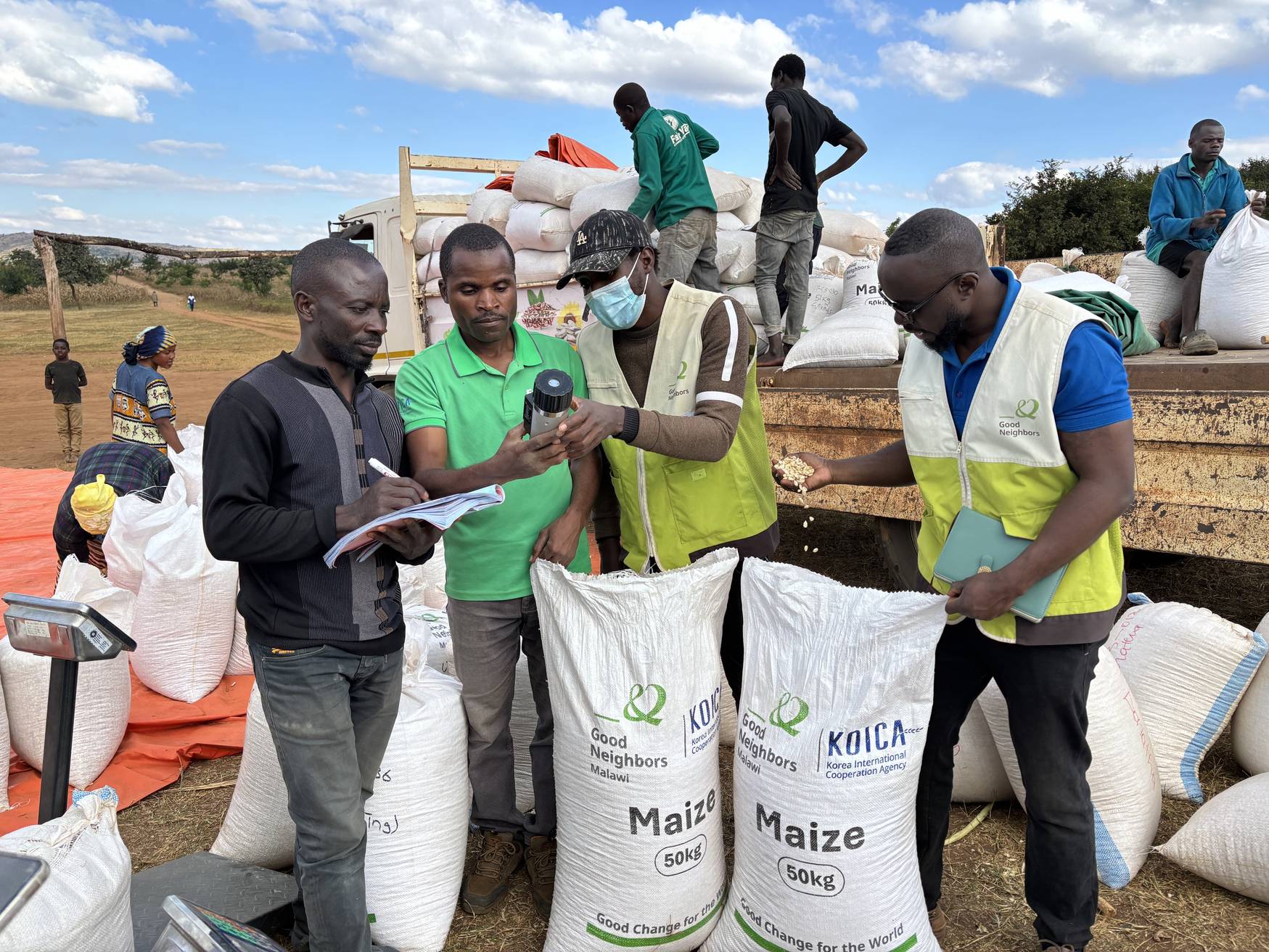
Refugees and local community members trading their first joint harvest Malawi / Korea International Cooperation Agency (KOICA) / Project to Address Food Insecurity and Strengthen Communities through Livelihood Activities in Refugee Camps (2025–2027)
Korea provides supplementary food to people struggling to obtain food because of disasters and conflicts, and deploys emergency response teams to areas where urgent rescue operations are needed. Following the earthquake in Türkiye, the Korea Disaster Relief Team carried out search and rescue operations, looking for survivors trapped in collapsed buildings. Korea works with international organisations, humanitarian agencies and local authorities to deliver assistance to people in crisis.
In areas affected by infectious disease outbreaks, Korea supplies essential infection prevention materials. During the COVID-19 pandemic, masks were delivered to several partner countries, including the Republic of the Congo. Humanitarian assistance also involves helping people rebuild their livelihoods after a crisis. In Malawi, Korea is working with refugees and local communities to address food insecurity and strengthen community ties through farming together. The photograph captures a moment in this effort, as participants trade the first harvest of crops they grew together. From emergency food assistance and rescue operations to livelihood recovery, Korea contributes to international humanitarian responses at different stages of a crisis.
Students returning to school, young people putting their skills to work, and communities gaining access to clean water. The photographs capture changes made possible by Korea’s development assistance and the active involvement of local people.
Diagnostic techniques learned together are being used to detect infectious diseases, while restored forests are becoming part of the efforts to respond to climate change. Along the way, healthcare professionals, researchers and local institutions have shared their experiences and worked together.
Just as infectious diseases and the climate crisis cross national borders, so too can the knowledge and experience needed to address them. The partnerships we build today are improving lives in partner countries and helping create a safer world for us all.
Which moment stayed with you the most?


 ENG


